
If a dog bites you, you might assume the owner pays for everything. Not always. Many states apply comparative fault rules to animal attack claims. That means your own behavior can reduce the money you recover. This is not about blaming the victim for fun. It is about a simple question: did your actions help cause the attack? If yes, the dog owner’s insurance will pay a smaller share.
Comparative fault works on a percentage system. Say a jury finds you 30 percent at fault for provoking a dog. The owner is 70 percent at fault. Your total damages are $100,000. You get $70,000. That is the straightforward math. But the real difficulty is deciding what counts as your fault. Courts look at concrete acts, not vague ideas. Trespassing is a common one. If you are on private property without permission and a dog bites you, the owner can argue you assumed the risk. In many places, trespassing is a complete defense to a dog bite claim, not just a percentage reduction. But if you are legally on the property, like a mail carrier or a guest, the rules shift.
Provocation is another big factor. Growling, teasing, hitting, or even sudden movements near a dog can be considered provocation. A two-year-old pulling a dog’s ear is different from an adult kicking the animal. Courts account for age and mental ability. A child under four generally cannot be held to the same standard as an adult. But a teenager who taunts a chained dog may face a significant fault reduction. Insurance adjusters love this. They will dig into your history with the animal, watch surveillance footage, and interview neighbors to find any sign that you encouraged the dog’s behavior.
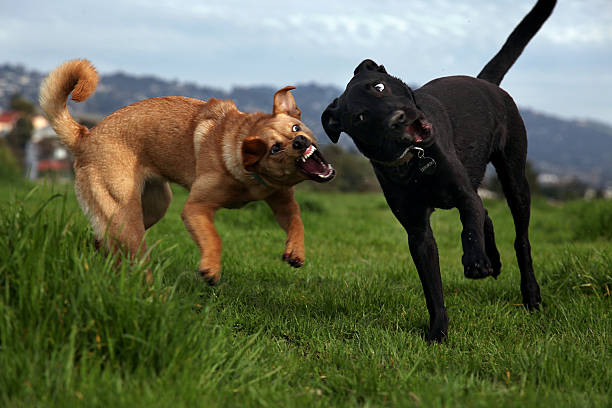
There is also the question of what you did after the attack started. Were you trying to separate two fighting dogs with your bare hands? Courts often rule that a person who voluntarily steps into a dangerous animal confrontation accepts some responsibility. That does not mean you get nothing. It means your recovery is reduced by your level of recklessness. In contrast, if you were walking quietly on a sidewalk and a dog ran out of an open gate, your fault is zero. The owner’s failure to contain the dog is the entire problem.
Strict liability states complicate matters. In many places, dog owners are strictly liable for bites, meaning they pay regardless of whether they knew the dog was dangerous. But comparative fault still applies even under strict liability. For example, if you were teasing a dog through a fence and it bit your hand, you cannot collect full damages. The strict liability protects against the owner’s lack of care, not against your own foolishness. So even in the toughest dog bite laws, your recovery can be slashed.
What about the “one-bite rule” states? Those places give owners a free pass for a first bite if they had no reason to know the dog was dangerous. Comparative fault still matters there, but it interacts with the owner’s knowledge. If you were careless, that is a defense for the owner. If the dog had bitten before, the owner’s liability increases, and your fault might still reduce the recovery, but the owner’s prior knowledge often dominates the case.
Insurance companies rely heavily on comparative fault to settle cheaply. An adjuster will offer you a fraction of your medical bills, arguing that you “should have known better.“ Do not accept that without a fight. You need evidence of your behavior before and during the attack. Witness statements, video from neighbor’s security cameras, and the dog’s own history matter. If the dog had lunged at people before, the owner’s negligence is enormous. Your minor mistake, like walking near the dog’s bowl, should not reduce your claim by much. But you cannot ignore the possibility that a jury will see things differently.
The practical takeaway is simple. If you are bitten, document everything immediately. Photograph the location, the dog, your injuries, and any signs or fences. Write down what you were doing in the exact minutes before the bite. If you were doing something risky, like reaching into a kennel or petting a strange dog without permission, be honest. That honesty allows a lawyer to calculate your true recovery. Hiding the truth will come out later and destroy your credibility.
Comparative fault is not a loophole for irresponsible dog owners. It is a legal way to share blame when both sides messed up. The owner should have controlled the dog. You should have been aware of the risk. The final settlement reflects that shared reality. Your job is to present your side clearly, and if you were not at fault, fight hard against any reduction. If you were partly at fault, do not let an insurance company turn a 20 percent mistake into a 50 percent deduction. The law expects fairness, and comparative fault, when applied correctly, delivers that fairness. But it only works when you understand it before you sign anything.