

Chemical spills and environmental contamination, Toxic Tort and Chemical Exposure Claims
Chemical Spills and Groundwater Contamination: Who Pays When Your Water Turns Toxic
A chemical spill does not stay where it happened. Liquids seep into soil. Vapors drift. Rain carries chemicals deeper. Once they reach groundwater...
1 day ago Read More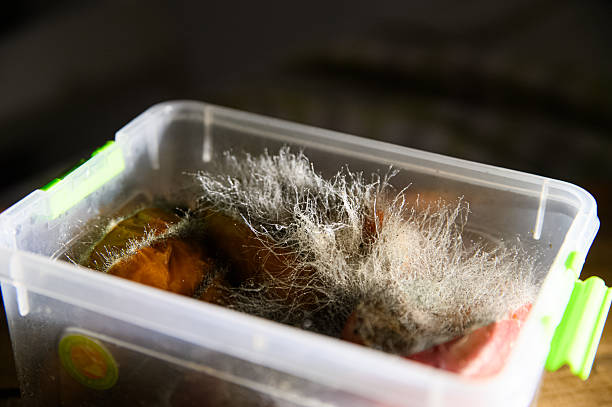
Mold and indoor air quality claims, Toxic Tort and Chemical Exposure Claims
Landlord Liability for Mold Exposure: Tenant Rights and Legal Claims
Mold in a rental unit is not automatically a legal claim. Mold is everywhere, and many people live around it without serious harm. A landlord is not...
2 days ago Read More
Mold and indoor air quality claims, Toxic Tort and Chemical Exposure Claims
Landlord Liability for Mold in Rental Homes: Who Pays and How to Prove It
Mold in a rental property is not just a cleaning problem. It can make people sick, destroy belongings, and force tenants to move. When it happens...
2 days ago Read More
Benzene exposure and blood cancer claims, Toxic Tort and Chemical Exposure Claims
Benzene Exposure and Blood Cancer: How Toxic Tort Claims Work
Benzene is a clear, sweet-smelling chemical found in crude oil, gasoline, and many industrial products. It is also a known cause of blood cancers...
7 days ago Read More
Silica and dust exposure claims, Toxic Tort and Chemical Exposure Claims
Silica Dust Exposure Claims: Who Pays When Workers Get Sick?
Silica dust is one of the most common workplace hazards. It comes from concrete, stone, sand, mortar, brick, and other materials. Cutting, grinding...
8 days ago Read More
Emerging chemical and PFAS liability, Toxic Tort and Chemical Exposure Claims
PFAS in Firefighting Foam: Who Pays for Decades of Contamination?
PFAS are a large group of human-made chemicals used since the 1940s. They resist heat, water, and oil. Firefighting foam known as AFFF is used at...
9 days ago Read MoreMercury poisoning liability claims, Toxic Tort and Chemical Exposure Claims
Mercury Vapor Exposure in Schools and Public Buildings: Who Is Liable?
Mercury vapor exposure in schools and public buildings is a serious toxic tort issue. When mercury spills or hidden mercury sources release vapor...
9 days ago Read More
Lead poisoning liability claims, Toxic Tort and Chemical Exposure Claims
Landlords Face Serious Financial Risk for Lead Paint Poisoning
If you rent out a home or apartment built before 1978, you are sitting on a potential legal time bomb. Lead-based paint was banned for residential...
20 days ago Read More
Lead poisoning liability claims, Toxic Tort and Chemical Exposure Claims
Landlord Liability for Lead Paint: What Tenants Must Prove
Lead poisoning is still a problem. It remains a threat in millions of older homes. Children are vulnerable. Even low levels of lead in the blood can...
22 days ago Read More
Benzene exposure and blood cancer claims, Toxic Tort and Chemical Exposure Claims
Proving Causation in Benzene Exposure Claims
If you or a loved one has been diagnosed with a blood cancer like acute myeloid leukemia, and you believe years of working with benzene-containing...
1 month ago Read More
Mercury poisoning liability claims, Toxic Tort and Chemical Exposure Claims
Causation and Medical Proof in Mercury Poisoning Lawsuits
Mercury poisoning cases are among the hardest liability claims to win, not because the science is obscure, but because the law demands a clear chain...
1 month ago Read More
Silica and dust exposure claims, Toxic Tort and Chemical Exposure Claims
The Statute of Limitations Trap in Silica Exposure Lawsuits
You worked around sandblasting, mining, or concrete cutting for years. A doctor tells you that you have silicosis, a lung disease caused by breathing...
1 month ago Read More