Mold in a rental unit is not automatically a legal claim. Mold is everywhere, and many people live around it without serious harm. A landlord is not an insurer of perfect indoor air. But when moisture problems are ignored and mold grows to levels that make the home unsafe, a tenant may have a liability claim. The key is not the mold itself. It is whether the landlord had a duty to fix the problem, knew or should have known about it, failed to act, and caused measurable harm.
A landlord must keep the property in a safe and livable condition. That duty usually covers plumbing leaks, roof leaks, broken windows, faulty heating and cooling systems, and ongoing dampness. If water enters through a building defect the landlord controls, the landlord is often responsible for repairs. Tenants also have duties. They must report problems, allow reasonable access for repairs, and avoid causing new moisture problems. A tenant who never tells the landlord about a leak may weaken a later claim. Written notice is best. Keep copies, photos, dates, and replies.
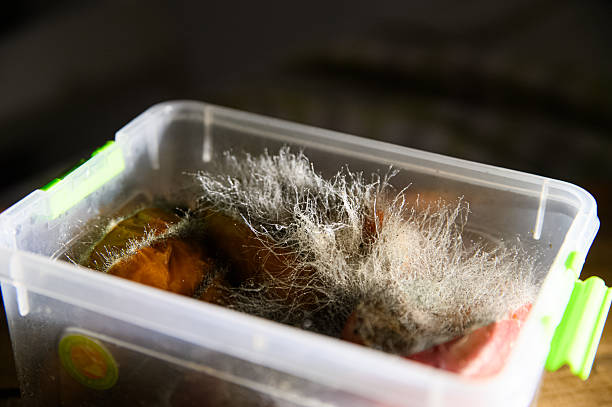
Proving a mold claim requires evidence. The tenant should document visible growth, water stains, musty odors, and moisture readings. Air or surface testing can help, but it is not always decisive. Mold tests show what is in the air on one day. They do not prove who was exposed, for how long, or what caused the illness. Medical records matter more when a doctor links symptoms to the home environment. A timeline helps: when the leak started, when the tenant reported it, what the landlord did, when symptoms began, and when the tenant moved out or made repairs. Inspectors, industrial hygienists, and doctors can explain complex issues. The doctor must often address whether mold exposure more likely than not caused or worsened the tenant’s condition. That is the hardest part of many cases because mold-related symptoms like coughing, headaches, fatigue, and asthma attacks are common and have many causes.
Landlords have defenses. They may argue the tenant caused the moisture by leaving windows open, failing to use exhaust fans, overwatering plants, or blocking air conditioning drains. They may claim the tenant refused access for repairs or failed to report the issue. They may say the mold was minor and not capable of causing the claimed health problems. Lease language that tries to waive the landlord’s duty to maintain a livable home is often unenforceable, but that depends on state and local law. A clause that says the tenant accepts the unit “as is” does not usually allow a landlord to ignore hidden leaks or unsafe conditions. Tenants should read the lease and keep proof of every request.
Compensation in a mold case can include medical bills, lost wages, relocation costs, damaged belongings, and pain and suffering. Some states allow additional damages if the landlord acted with reckless disregard. Others limit recovery. Insurance is another battleground. Many commercial property policies exclude mold or cap coverage at a low amount. Renters insurance may cover a tenant’s furniture and clothing, but it usually does not cover the landlord’s liability. If the case goes to court, the tenant must preserve evidence. Do not throw away moldy items without photos and expert review. Do not paint over mold or make major repairs without documenting the condition first.
The strongest mold claims are built on three things: a clear moisture problem, clear notice to the landlord, and clear proof of harm. Fear of mold is not enough. A bad smell is not enough. The tenant must connect the unsafe condition to the landlord’s failure and to real injuries or losses. That is why early documentation matters. Take photos with dates. Save texts and emails. Get a medical evaluation. Report code violations. Follow local rules for rent withholding or repair and deduct. Most mold disputes settle before trial because both sides see the risks. The tenant may recover some costs, and the landlord may avoid a larger verdict. A lawyer can review the facts, explain the local deadlines, and estimate whether the claim is worth pursuing. The bottom line is simple: mold claims are really moisture, notice, and proof of harm. Prove those, and liability becomes much easier to establish.