
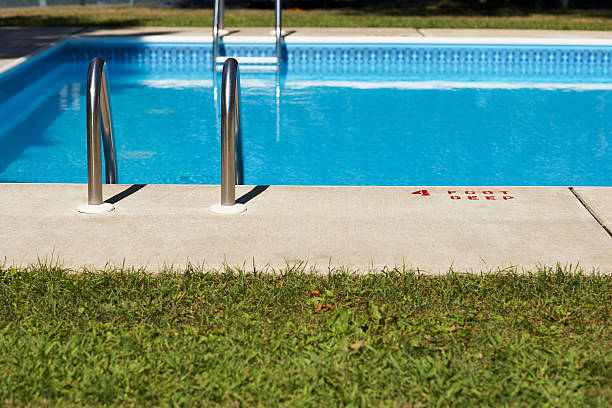
A swimming pool accident can turn a fun afternoon into a medical nightmare in seconds. If you or a family member has been injured in a pool, the steps you take immediately after the incident can make or break any future legal claim. Pool owners, property managers, and event hosts have a legal duty to keep their pools safe. When they fail to do that, you may be entitled to compensation for medical bills, lost wages, and pain and suffering. But proving fault requires fast action and careful documentation. Here is exactly what you need to do.
The first priority is always medical care. Even if the injury seems minor, get checked by a doctor. Some injuries, like head trauma or internal bleeding, do not show symptoms right away. A medical record also creates a clear link between the pool accident and your injury. Without that link, the insurance company will argue the injury happened elsewhere. Tell the doctor exactly how the injury occurred, including the date, time, and location of the pool. Keep copies of all bills, prescriptions, and treatment notes.
Next, report the accident to the property owner or manager immediately. Do this in writing if possible. Send an email or a letter that states the date, time, location, and a brief description of what happened. For example, “On June 15, I slipped on a wet tile near the deep end of your community pool and broke my ankle.“ This puts the owner on notice that a potential claim exists. In many states, you have a limited time to notify a government entity if the pool is public. Miss that deadline and your claim is dead.
Preserve evidence before anything gets cleaned up or changed. Take photos and videos of the accident scene exactly as it was at the time of the injury. If you slipped on a wet deck, photograph the puddle, the surrounding area, and any missing warning signs. If the pool chemicals were off, photograph the water condition or any testing equipment. If someone else witnessed the accident, get their name and phone number. Witnesses can confirm that the pool was overcrowded, the lifeguard was not paying attention, or the diving board was broken. Collect the names and contact information of everyone who saw what happened.
Do not sign anything or give a recorded statement to the insurance company without legal advice. Insurance adjusters are trained to get you to say something that reduces your claim. They may call you within hours of the accident, sound sympathetic, and offer a quick settlement. Do not take it. Pool accident claims can involve serious long-term injuries, and an early settlement will not cover future medical costs or lost earnings. Tell the adjuster you will speak through a lawyer. Then call a personal injury attorney who handles premises liability cases.
Understand what makes a pool owner liable. The legal rule is simple: property owners must keep their premises reasonably safe for visitors. For pools, that means having proper fencing, functioning drain covers, non-slip surfaces around the deck, clear depth markings, and working rescue equipment. It also means having enough lifeguards if one is required by law, and enforcing basic rules like no running. If the owner knew about a danger and did nothing to fix it, or should have known about it and failed to inspect, they can be held responsible. Common examples include a broken ladder, a cloudy pool that hides a submerged hazard, or a missing safety rope that marks the deep end.
There are also special rules for children. Children under seven are generally considered unable to understand dangers like deep water. Pool owners owe them a higher duty of care. If a toddler wanders into an unfenced pool and drowns, the owner can be liable even if the child trespassed. This is called the “attractive nuisance” doctrine in many states. It means the owner must take extra steps to keep kids out, like locking gates and storing pool toys that might lure a child.
One more critical point: if the pool accident was caused by a product defect, like a faulty drain that trapped a swimmer, the manufacturer may also be liable. That adds another party to the claim, which often means more insurance money available. Do not assume the pool owner is the only one to blame. An attorney can investigate whether the equipment was defective.
Finally, watch the statute of limitations. This is the legal deadline to file a lawsuit. It varies by state, typically one to three years from the date of the accident. If the pool is owned by a government agency, like a public park or school, the deadline can be as short as six months. You cannot extend it by waiting. File a claim on time or lose your right to compensation forever.
A swimming pool accident can be devastating. But if you act quickly, document everything, and get professional legal help, you stand a much better chance of recovering what you deserve. The key is not to delay. Every day that passes makes evidence disappear and memories fade. Take control of the situation right now.