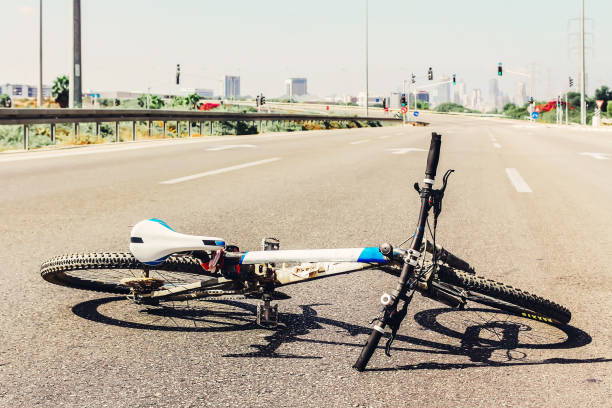
A dooring accident happens when someone opens a vehicle door into the path of a cyclist. The cyclist may hit the door, swerve into traffic, or crash trying to avoid it. These crashes often happen in cities, near parked cars, taxi stands, rideshare drop-offs, and busy shopping streets. The injuries can be severe because a cyclist has no metal shell, airbags, or seat belt. The question of who pays usually comes down to fault, local rules, insurance, and evidence.
People getting out of a car have a basic duty to check for traffic before opening a door. That includes cyclists. They must not open a door unless it is safe. Many states and cities have specific dooring laws. Some put responsibility on the driver. Some put it on the person who opens the door. Some put it on both. Even where no special law exists, the general rule is simple: people must act with reasonable care. Opening a door without looking is careless. If the person could have seen the cyclist, they are likely at fault. If the cyclist was riding illegally, such as going the wrong way, running a red light, or riding at night without lights, that can reduce or defeat a claim. But illegal riding does not automatically clear the driver. The illegal act must be connected to the crash.
The person who opens the door is not always the only one who can be held responsible. A passenger may open the door, but the driver may also share fault if they parked in a dangerous spot, failed to warn the passenger, or let someone out into traffic. If the vehicle is a taxi, rideshare, delivery van, or company car, the business may be liable too. If a cyclist swerves to avoid a door and is then hit by another car, fault can spread. The door opener may still be responsible for forcing the cyclist into traffic. The moving car may also share fault. These cases can involve several insurance policies and finger-pointing.
Evidence decides many dooring claims. The cyclist’s account matters, but it is stronger with witnesses, nearby cameras, dashcams, bike cameras, or business security video. Photos of the scene, the door position, the bike damage, and the road conditions help. Medical records and police reports are important. If the driver says, “I didn’t see you,” that can help show carelessness, but it is not the whole case. After a crash, call the police and get a report. Exchange information. Do not argue. Get medical help even if you feel fine at first. Keep the bike and clothing. Note the time, weather, and visibility. If possible, photograph everything before vehicles move. Get names and phone numbers for witnesses. Avoid posting about the crash on social media. Insurance adjusters look for anything to reduce what they pay.
Insurance usually starts with the driver’s auto liability policy. That policy often covers dooring claims. A passenger may be covered under the driver’s policy or their own. If the cyclist has their own car insurance, medical payments coverage or uninsured motorist coverage may apply even though they were on a bike. Health insurance may pay bills, but it may later seek repayment from a settlement. If the driver is uninsured or leaves the scene, uninsured motorist coverage may help. Cyclists should check their own auto policy, even if they do not own a car, because some policies cover them as pedestrians or cyclists.
Compensation can include medical bills, lost wages, pain and suffering, bike repair or replacement, future care, and disability. In some places, a spouse can claim for loss of companionship. To recover, the cyclist must prove fault and show the injuries came from the crash. Pre-existing conditions can make the case harder, but they do not automatically kill it. If the cyclist shares fault, compensation is usually reduced by their share. Some states bar recovery if the cyclist was mostly at fault. Local rules matter.
Deadlines also matter. A claim must be filed within a certain time. Claims involving government vehicles often require shorter notice. Minors may have different deadlines. Missing a deadline can end the claim. A lawyer who handles bike crashes can investigate, find witnesses, hire experts, and deal with insurers. Many work on contingency, meaning no upfront fee. Cyclists can reduce risk by riding outside the door zone, taking the lane when needed, using lights, and expecting doors to open. Drivers and passengers should look over their shoulder and open slowly. After a crash, treat it as serious. The insurance company is not on your side. Its goal is to pay as little as possible.