When you walk into a grocery store, a mall, or a restaurant, you expect the floor to be safe. But when a wet spot, a freshly mopped surface, or a poorly maintained tile causes you to fall and get hurt, the legal question becomes: who pays for your medical bills and lost wages? The answer often lies in premises liability law, specifically the rules around slippery floors.
Property owners and businesses have a legal duty to keep their premises reasonably safe for visitors. That duty is not an absolute guarantee you will never fall, but it does require them to take reasonable steps to prevent foreseeable hazards. A slippery floor is one of the most common hazards in retail and commercial settings, and it is also one of the most litigated. To succeed in a claim, you must prove that the owner knew or should have known about the dangerous condition and failed to fix it or warn you.
The first element is notice. A store is not automatically liable just because you slipped. You must show that the store had actual knowledge of the spill or dangerous floor condition, or that the condition existed long enough that a reasonable inspection would have caught it. This is called constructive notice. For example, if a customer spills a drink near the soda machine and the store’s employees walk past it for twenty minutes without cleaning it up, the store had constructive notice. If the spill happened thirty seconds before you fell, the store likely did not have enough time to respond, and your claim may fail. Courts look at factors such as the type of business, the frequency of inspections, and the location of the hazard.
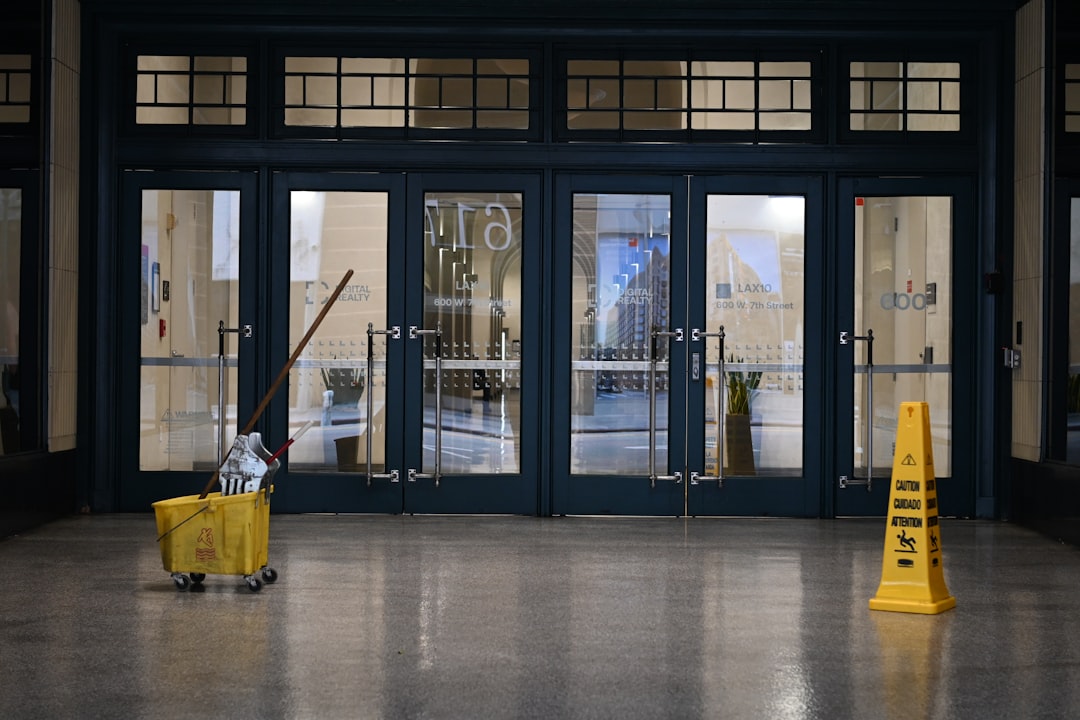
The second element is what constitutes a reasonable response. If the store knows a floor is wet from mopping, it must either close off the area, place warning cones, or use mats to absorb moisture. Simply mopping during business hours without any warning is often considered negligent. Similarly, if a store uses a floor wax that becomes dangerously slick when wet, or if it fails to repair a cracked tile that collects water, those are maintenance failures that can support a claim.
But not every slip and fall is the store’s fault. Courts recognize several defenses. The most common is the “open and obvious” doctrine. If the hazard is so visible that a reasonable person would have seen and avoided it, the store may not be liable. For instance, a bright yellow wet floor sign is usually enough to put you on notice. If you choose to walk around the sign and slip on the wet area just beyond it, the store can argue you assumed the risk. However, if the sign is missing, the floor is shinier than usual, or the lighting is poor, the open and obvious defense weakens.
Another major defense is comparative negligence. In many states, your own carelessness can reduce or even eliminate your recovery. If you were looking at your phone, running, carrying a large box that blocked your view, or wearing shoes with no grip, the jury may find you partially at fault. For example, if a jury decides the store was 60% responsible for not cleaning a spill and you were 40% responsible for not watching where you were going, your damages would be reduced by 40%. In a few states, if you are more than 50% at fault, you get nothing.
Damages in a slippery floor case can cover medical expenses, both current and future, lost income if you could not work, pain and suffering, and sometimes punitive damages if the store’s conduct was reckless, such as ignoring repeated complaints about a dangerous floor. The key is documentation. Photographs of the scene, medical records, witness statements, and a timeline of events can make or break your case.
If you have been injured on a slippery floor, do not assume the store will be fair. Insurance companies for businesses often fight these claims aggressively, arguing you were not hurt badly or that you caused your own fall. Consulting a lawyer who handles premises liability is the smartest move. Most offer free consultations and work on a contingency basis, meaning they only get paid if you win.
The bottom line is straightforward: property owners must keep floors safe for visitors. When they fail, and that failure causes injury, they can be held responsible. But you must prove they knew or should have known about the danger. And you must show that you acted reasonably yourself. Slip and fall cases are not automatic winners, but they are far from hopeless if the facts are on your side.