Car Accident Claims
Frequently Asked Questions
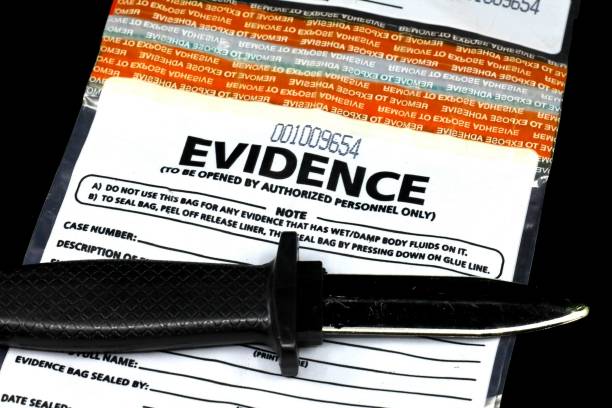
You prove it by gathering and presenting clear evidence. This includes photographs of the hazard or accident scene, official reports (like police or incident reports), witness statements, expert testimony (e.g., from an accident reconstruction specialist), and maintenance records. This evidence must collectively tell a clear story: the defendant created an unreasonable risk or failed in a duty of care, and that specific failure directly caused your specific injuries.
Clearly state your location, the type of incident (e.g., car crash, slip and fall, assault), and if anyone is injured and needs medical help. Then, stick to the objective facts: what you saw, heard, and did. Do not speculate, admit fault, or give opinions. Mention all parties and witnesses present. Your goal is to ensure the officer includes all key elements in their report, not to argue your case or assign blame at the scene.
Policies always list what they don’t cover. Key exclusions to scrutinize include intentional acts, professional services (unless you have E&O insurance), contractual liability for certain agreements, pollution, employment practices, and cyber incidents. You must understand these gaps. If your business faces excluded risks, you need separate, specific policies to cover them. Never assume a general liability policy is all-encompassing.
To succeed, you generally must prove four key elements: Duty (the defendant owed you a responsibility), Breach (they failed in that duty through action or inaction), Causation (their breach directly caused your injury), and Damages (you suffered quantifiable losses). Evidence is critical—this includes photos, witness statements, official reports, medical records, and repair invoices. The strength of this evidence directly impacts the likelihood of a successful settlement or court verdict in your favor.