
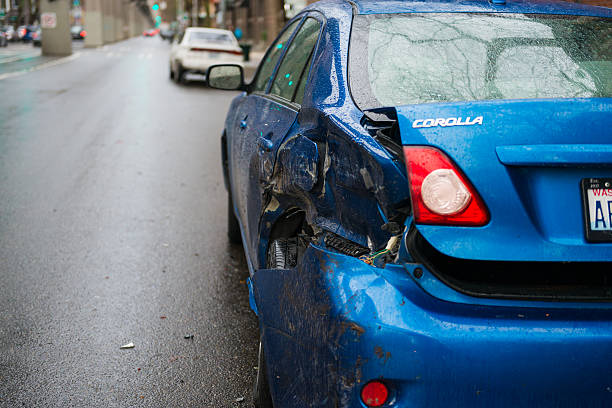
Discovering damage to your home, car, or other property with no responsible party in sight is infuriating and stressful. The immediate aftermath of a hit-and-run requires clear, decisive action to protect your rights and maximize your chances of recovery. This guide outlines the direct steps you must take, focusing on practical measures over legal theory.
Your first and most critical task is to document everything. Do not touch or repair anything yet. Use your phone to take comprehensive photographs and videos of all damage from multiple angles. Capture wide shots to show context and close-ups to show detail. If there is any physical evidence left behind—like paint scrapes, broken glass, or debris—photograph it meticulously. This visual record is your most powerful evidence. Immediately write down the exact time you discovered the damage and any details you recall about the preceding hours. Did you hear a noise? Were you away from the property? This timeline is crucial.
You must then formally report the incident to the police. Call the non-emergency line for your local police department and file an official report. An officer may come to the scene or you may need to go to the station. Provide them with all your documentation and a clear, factual account. Insist on obtaining a copy of the police report number or the report itself. This official document is not optional; it is a foundational requirement for both an insurance claim and any potential investigation. It transforms the event from a private misfortune into a recorded incident.
Next, initiate the insurance process. Contact your insurance company without delay, even if you are unsure about coverage. Provide them with the police report number and your evidence. Here, your policy type dictates your path. If your parked car was hit, you will file under the “collision” or “uninsured motorist property damage” coverage of your auto policy, depending on your state and specific policy. For damage to your home, fence, or mailbox, you will file under your homeowner’s or renter’s insurance policy, likely under the “other structures” or “property damage” portion. Be prepared for your deductible to apply. Withholding notification can give an insurer grounds to deny your claim later.
While waiting, actively seek any additional evidence. Check with neighbors to see if they witnessed the event or have doorbell or security camera footage that might have captured the vehicle. Politely ask if they would review their recordings and provide you with any relevant clips. Canvas the area for any business or municipal traffic cameras. Provide any new leads immediately to both the police officer handling your report and your insurance adjuster.
Finally, understand the financial reality. If the at-fault driver is never found, you will be reliant on your own insurance coverage. This means you are subject to your deductible and the claim may be recorded on your insurance history. If the driver is later identified, your insurance company may attempt to recover your deductible and their costs through a process called subrogation, and you may eventually be reimbursed for your deductible. Do not commence permanent repairs until your insurance adjuster has assessed the damage, unless temporary repairs are necessary to prevent further loss, which you should also document and keep receipts for. Move forward methodically, protect your evidence, and use your insurance for the protection you pay for.