What to Do After Hit-Run
Preserving the Scene of a Slip and Fall Accident
When a visitor slips and falls on your property, what you do in the first few minutes can make or break a liability claim. The scene itself is the single most important piece of evidence. If you let it get cleaned up, altered, or ignored, you lose yo...
Read More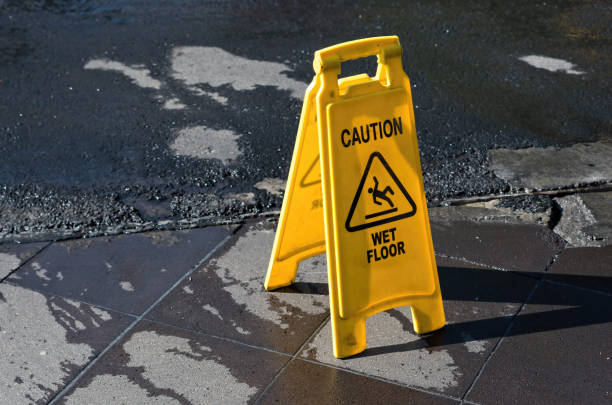
What to Do After Hit-Run
The Legal Role of Wet Floor Signs in Visitor Slip and Fall Claims
When you slip and fall on someone else’s property, one of the first things you or your attorney will look for is whether a wet floor sign was present. This simple yellow triangle or A-frame placard can make or break your liability claim. Insurance ...
Read More
What to Do After Hit-Run
Who Is Responsible for a Dog Bite on Your Own Property
You are walking through your own backyard. Your neighbor’s dog jumps the fence and bites you. Or you are a renter, and your landlord’s dog—kept in a common area—attacks you. These situations are not rare, and they raise a simple question: If ...
Read More
What to Do After Hit-Run
When a Hit-and-Run Driver Hits Your House: Property Damage Claims
A hit-and-run crash does not have to involve another vehicle to cost you money. If a driver loses control and slams into your house, garage, fence, mailbox, or lawn, you are left with property damage and no driver to hold responsible. The same applie...
Read More
What to Do After Hit-Run
When a Hit-and-Run Driver Damages Your Home or Property: Immediate Steps and Insurance Strategies
A hit-and-run isn’t limited to car crashes. Drivers can slam into your fence, knock over your mailbox, take out a corner of your garage, or even plow into your living room. The driver speeds away, and you are left with broken property, no license p...
Read More
What to Do After Hit-Run
Who Is Liable When a Hit-and-Run Driver Crashes Into a Tree or Fixture Hitting Your Car?
You are sitting at a red light or parked on a quiet street. Another driver loses control, slams into your vehicle, and shoves it into a tree or a fixed object like a street sign, utility pole, or guardrail. The other driver speeds away. Now your car ...
Read More
What to Do After Hit-Run
Hit-and-Run Accidents and Contractor Work Injury Claims: Your Next Steps
If you are a contractor or an independent worker and a hit-and-run driver injures you while you are on the job, you face a complicated legal and financial situation. Unlike a standard employee, you may not have the same automatic protections from wor...
Read More
What to Do After Hit-Run
Proving Dog Owner Liability After a Hit-and-Run
You are crossing the street legally. A car hits you and speeds away. As you lie on the pavement, a dog that was with the driver runs over and bites your arm. Now you have two injuries: trauma from the vehicle and a dog bite. The driver is gone. The d...
Read More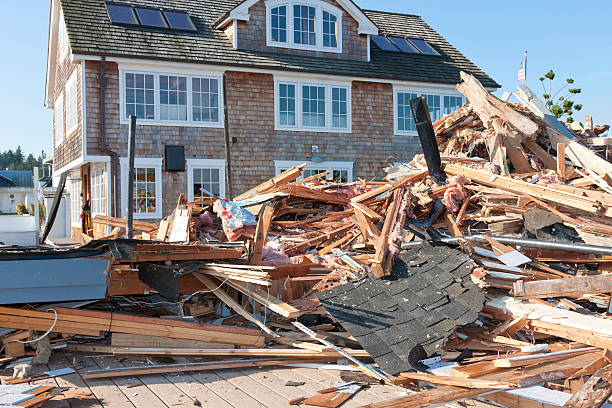
What to Do After Hit-Run
Immediate Actions When Your Tree or Fixture Causes Property Damage
Discovering that a tree, fence, or other fixture from your property has caused damage is a stressful and often overwhelming experience. Whether it’s a fallen limb on a neighbor’s car, a collapsed fence damaging a shared structure, or a toppled tr...
Read More
What to Do After Hit-Run
Dog Bite Liability: What You Need to Know After an Attack
If a dog bites you or someone you care for, the aftermath can be painful, scary, and expensive. Medical bills pile up, lost work time adds stress, and the emotional impact of the attack can linger for months. Understanding your legal rights in this s...
Read More
What to Do After Hit-Run
Understanding the Types of Damages Recoverable in a Legal Claim
When an individual or business suffers harm due to the wrongful actions of another, the legal system provides a pathway to seek compensation, known as damages. The overarching purpose of awarding damages is to make the injured party, or plaintiff, wh...
Read More
What to Do After Hit-Run
When a Hit-and-Run Driver Damages a Neighbor’s Tree: Your Legal Options
A hit-and-run crash does not always end with a damaged car. Sometimes the fleeing driver plows into a tree, a fence, a mailbox, or a utility pole on your property or your neighbor’s. If that happens, you are stuck with property damage and a driver ...
Read More