
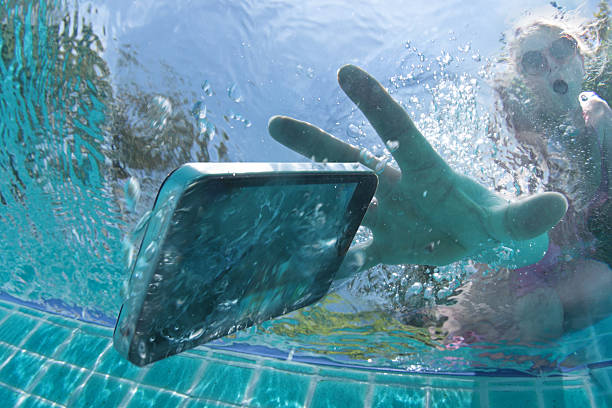
A swimming pool hit and run accident, where someone causes an injury and then leaves without providing information or aid, creates a complex and urgent situation. Determining liability in these cases is critical, as the injured party still needs a path to compensation for medical bills, lost wages, and pain and suffering. The responsibility typically falls into two main categories: the person who caused the injury and the property owner where the pool is located.
First, the individual who caused the injury through reckless or intentional behavior is directly at fault. This could be a guest who shoves someone, a swimmer diving dangerously in a crowded area, or a child running and knocking someone over. However, in a true hit and run, this person is unidentified or has fled, making it impossible to directly hold them accountable initially. This is where the concept of premises liability becomes central. The property owner—whether a private homeowner, a hotel, a condo association, or a public facility—has a fundamental duty to keep their pool area reasonably safe for guests and visitors. This duty includes proper supervision, enforcing safety rules, maintaining clear walkways to prevent slips and falls, and ensuring the pool itself is safe for use. If the owner failed in this duty, they may be held liable for the injuries that resulted, even if caused by a third party they cannot identify.
For example, if the accident occurred because the pool was severely overcrowded with no lifeguard or attendant present to monitor behavior, the owner’s negligence contributed to the dangerous environment. Similarly, if poor lighting, broken tiles, or missing safety equipment played a role, the owner’s liability is clearer. The legal argument is that the owner’s failure to provide a safe environment allowed the hit and run incident to occur and worsen the consequences. Proving this requires immediate and careful action following the accident.
Your steps after the incident are what build a potential claim. First, seek medical attention immediately, even if injuries seem minor. Document everything. Get names and contact information of any witnesses before they leave; their account of the reckless individual and the chaotic environment is invaluable. Take detailed photographs of the exact location, any relevant conditions like wet floors or crowded decks, and your visible injuries. Report the incident to the property manager, owner, or security on-site immediately, and insist on filing a written incident report. Obtain a copy. Then, file a formal police report. A police document officially records the criminal hit and run and creates a crucial paper trail.
Finally, consult with a personal injury attorney who understands premises liability law. Do not give statements to the property owner’s insurance company without legal advice. An attorney can investigate the scene, secure any surveillance footage before it is erased, analyze the property owner’s safety protocols, and determine the full value of your claim. In a swimming pool hit and run, while the direct culprit is gone, the property owner’s responsibility for safety provides the primary path to securing the compensation you need to recover.