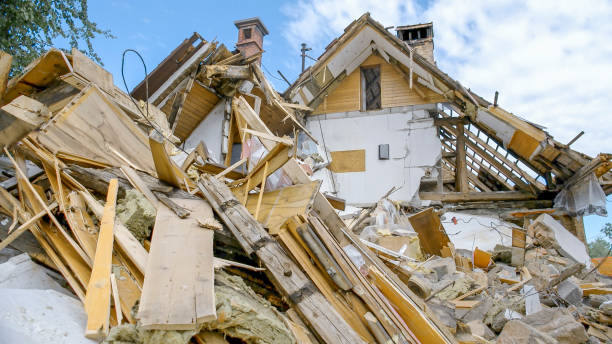
Discovering that your property has been damaged, whether through vandalism, a vehicle collision, or an accident, is a deeply unsettling experience. In the immediate aftermath, emotions like anger, shock, and frustration are natural, but it is crucial to prioritize practical and measured actions to protect your rights and facilitate a resolution. The steps you take in the first few hours and days can significantly influence your ability to recover compensation and repair the harm done.
Your first priority must always be safety. If the damage is ongoing or poses an immediate danger, such as a downed power line, a gas leak, or structural instability, remove yourself and others from the area and contact emergency services by dialing the appropriate number for your region. Do not attempt to confront anyone who may still be on the scene if you feel there is any threat of violence; your personal well-being is paramount. Once the scene is secure, and if it is safe to do so, you should begin to document the incident comprehensively. Use your smartphone or a camera to take clear, wide-angle photographs and videos that capture the full extent of the damage from multiple angles. Include close-up shots of specific injuries to your property and any contextual elements, like a license plate or a distinguishing landmark, that can tie the damage to the location and cause.
If the person responsible for the damage is present, it is important to remain calm and exchange essential information. Collect their full name, contact details, and insurance information if applicable. If the damage resulted from a car accident, be sure to get the driver’s license number, vehicle registration, and the make and model of the car. Avoid discussing fault or liability in detail at this stage, as statements made in the heat of the moment can be misconstrued. Instead, focus on the factual exchange of information. Should the individual be uncooperative or if the damage appears intentional, contacting local law enforcement to file an official report becomes a critical step. A police report provides an authoritative, third-party record of the event, which is invaluable for insurance claims and any potential legal proceedings. Be sure to obtain the responding officer’s name and badge number, as well as the report number for your records.
Following this initial documentation, you must notify relevant parties promptly. If you are a tenant, inform your landlord or property management company immediately. For all property owners, contacting your insurance provider should be done as soon as possible. Initiate the claims process by providing them with the preliminary details and the evidence you have gathered. An insurance adjuster will likely need to inspect the damage, so avoid making permanent repairs until they have done so, unless those repairs are necessary to prevent further loss, such as boarding up a broken window. In such cases, keep all receipts for materials or temporary fixes, as these may be reimbursable expenses.
While navigating these practical steps, it is also wise to begin a dedicated file for the incident. Store all photographs, videos, police reports, correspondence, and receipts in one place, whether physical or digital. This organized record will be indispensable as you communicate with insurance adjusters, contractors, and potentially legal counsel. If the damage is substantial or the responsible party is disputing liability, consulting with an attorney who specializes in property law can provide crucial guidance on protecting your interests and pursuing appropriate compensation. The period following property damage is undeniably stressful, but by methodically focusing on safety, evidence collection, official reporting, and timely notification, you lay a strong foundation for restoring your property and securing the remedy you deserve.