
When to Accept an Offer, Settling Your Claim Fairly
Why a Partial Settlement Offer Is Usually a Bad Deal
Insurance adjusters are trained to make the first offer as low as possible. They know that many people are desperate for money, tired of the process, or simply don’t understand what their claim is actually worth. A partial settlement offer—one th...
Read More
When to Accept an Offer, Settling Your Claim Fairly
Never Settle Before You Finish Medical Treatment
The insurance adjuster calls with an offer. It sounds reasonable. Your medical bills are piling up, you missed work, and the money would help right now. This is exactly when most people make their biggest mistake. They accept a settlement before thei...
Read More
When to Accept an Offer, Settling Your Claim Fairly
The Danger of Settling Too Early: Why You Must Wait for Maximum Medical Improvement
When an insurance company makes a settlement offer shortly after your accident, it can feel like a lifeline. You are dealing with pain, lost income, and mounting bills. The offer promises quick cash and an end to the uncertainty. Accepting that early...
Read More
When to Accept an Offer, Settling Your Claim Fairly
The Danger of Accepting a Settlement Before Your Doctor Says You Are Stable
The single most common mistake people make in liability claims is taking a settlement offer before they understand the full extent of their injuries. Insurance adjusters know this. They count on it. They make their best offers early, when you are mos...
Read More
When to Accept an Offer, Settling Your Claim Fairly
The Danger of Accepting an Offer Before Your Medical Treatment Is Complete
Insurance adjusters are trained to make their first settlement offer as early as possible. They know that most people are stressed, facing medical bills, and want the whole thing over with. That early offer might look like a lifeline, but it is almos...
Read More
When to Accept an Offer, Settling Your Claim Fairly
Evaluating Future Medical Costs Before Accepting a Settlement
You are negotiating a settlement for a personal injury claim. The insurance adjuster offers you a number. It might feel like a relief after months of bills and missed work. Before you sign anything, you must understand one hard truth: once you accept...
Read More
When to Accept an Offer, Settling Your Claim Fairly
The Danger of Accepting the First Offer
When you file a liability claim, the insurance company’s first offer will almost always be too low. That is not an accident. It is standard practice. Adjusters are trained to start low because they know many people are desperate, tired, or simply u...
Read More
When to Accept an Offer, Settling Your Claim Fairly
When to Accept an Offer in Your Legal Claim
Navigating the process of a legal liability claim can be complex, especially when it comes to deciding whether to accept a settlement offer. Insurance companies and opposing parties often present offers with the hope of resolving the claim quickly, b...
Read More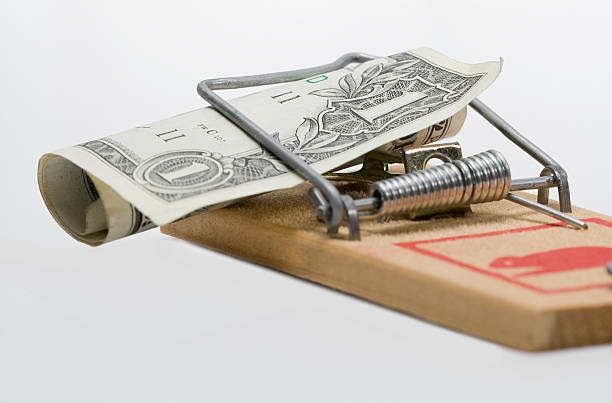
When to Accept an Offer, Settling Your Claim Fairly
The Trap of the Quick Settlement
When you receive a settlement offer after an accident or injury, your first instinct is often relief. The phone call or letter arrives, and you see a number. It looks like a lot of money. You want this nightmare over. You want to pay your bills and m...
Read More
When to Accept an Offer, Settling Your Claim Fairly
The Danger of Accepting a Settlement Before You Reach Maximum Medical Improvement
Insurance adjusters are not your friends. They are paid to save their company money, and the fastest way to do that is to get you to sign a release before your injuries have fully healed. When you accept a settlement offer, you are giving up your rig...
Read More
When to Accept an Offer, Settling Your Claim Fairly
When to Accept a Settlement Offer
Knowing when to accept an offer to settle your liability claim is one of the most critical decisions you will make. It is not about winning a moral victory or holding out for a dream payout. It is a practical, financial calculation of risk versus rew...
Read More
When to Accept an Offer, Settling Your Claim Fairly
When to Accept an Offer: Documenting Your Claim for a Fair Settlement
Product liability claims arise when a product’s defect causes harm to a user. This can stem from a flaw in the product’s design, a manufacturing error, or inadequate warnings or instructions. For consumer goods, vehicles, and equipment, manufactu...
Read More