
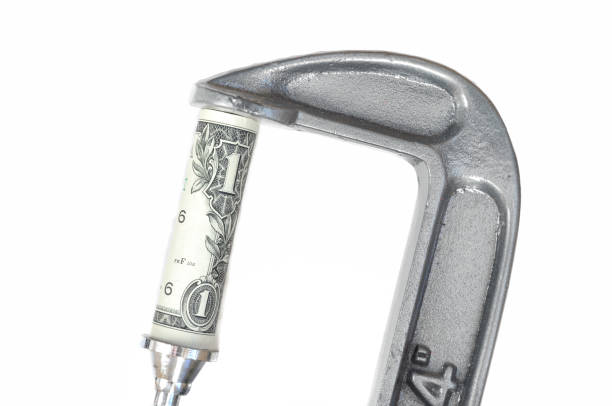
The question, “Are you facing immediate financial pressure?“ is one that resonates with a profound and unsettling urgency for a significant portion of the population. Immediate financial pressure is not merely a concern about future savings or investment portfolios; it is the visceral, day-to-day strain of confronting expenses that outstrip resources. It is the tightening in one’s chest when an unexpected bill arrives, the strategic calculus of which utility can be paid late, and the relentless background hum of anxiety that accompanies a dwindling bank balance. For many, this pressure is an inescapable reality, a force shaped by systemic factors, personal circumstance, and the unpredictable nature of life itself.
Immediate financial pressure manifests in tangible, often distressing ways. It is the experience of living paycheck to paycheck, where any disruption—a car repair, a medical co-pay, a reduction in work hours—threatens to topple a precarious equilibrium. This pressure forces difficult choices that extend beyond simple budgeting: choosing between filling a prescription or buying groceries, between putting gas in the car to get to work or paying a portion of the rent. The constant triage of essential needs consumes mental energy, creating a cognitive load that researchers term “scarcity mindset,“ which can ironically impair the very decision-making abilities needed to navigate the situation. The stress is not abstract; it impacts physical health, relationships, and one’s sense of stability and self-worth.
The roots of such acute pressure are frequently found in a combination of macroeconomic forces and individual vulnerabilities. Stagnant wages against a backdrop of soaring costs for housing, healthcare, and education have squeezed household budgets for decades. The gig economy, while offering flexibility, often lacks the benefits and predictability of traditional employment, leaving workers exposed to income volatility. Furthermore, a lack of robust social safety nets means that a single event—job loss, a health crisis, or a family emergency—can rapidly deplete savings and plunge a household into crisis. It is crucial to understand that immediate financial pressure is rarely a simple result of poor personal management, but rather a symptom of broader economic fragility.
Confronting this pressure requires both short-term triage and long-term strategy, though the former often demands all immediate attention. The first step is often a clear-eyed assessment of the situation, however daunting. This involves listing all obligations and available resources, a process that can provide a semblance of control. Communication is a critical, yet frequently overlooked, tool. Contacting creditors, landlords, or utility companies to explain the situation can sometimes lead to payment plans or temporary forbearance, preventing the worst outcomes like eviction or service disconnection. Seeking assistance from community-based organizations, food banks, or local charities can provide essential relief, acting as a bridge through the most acute phase of the crisis.
Ultimately, the question of immediate financial pressure speaks to a fundamental human need for security. The journey from pressure to stability is seldom linear and is deeply influenced by external support and systemic change. While personal resilience and resourcefulness are paramount, societal structures that promote living wages, affordable housing, accessible healthcare, and debt relief are essential to alleviating this widespread burden. For anyone answering “yes” to this question, it is vital to remember that this condition is a circumstance, not a character flaw. The path forward, though challenging, begins with acknowledging the pressure, seeking available support without shame, and taking the small, deliberate steps that can gradually rebuild a foundation of financial—and emotional—well-being.