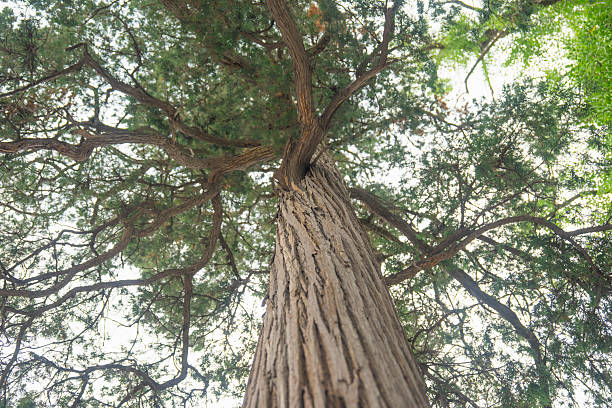
Property damage from a falling tree is one of the most common and confusing liability claims homeowners face. A mature tree can weigh several tons, and when it crashes into a house, car, or fence, the repair costs often run into the tens of thousands of dollars. The question is straightforward: who is legally responsible for the damage? The answer is never simple, but it follows a clear set of rules based on negligence, foreseeability, and the duty of care that property owners owe to their neighbors.
The law does not automatically blame the owner of the tree. If a healthy tree falls during a severe storm with high winds, that is considered an act of God. In that case, your own insurance policy covers the damage to your property, and the tree owner has no liability. Your homeowners insurance typically pays for repairs to your house and your personal belongings, minus your deductible. The tree owner’s insurance is not involved. This rule applies even if the tree came from your neighbor’s yard. Nature is unpredictable, and the law does not hold someone responsible for something they could not reasonably prevent.
Liability shifts when the tree was not healthy or when the owner knew about a defect and did nothing about it. A dead or diseased tree, a tree with large cracks in the trunk, or one with visible rot at the base is a foreseeable hazard. The owner of that tree has a duty to inspect their property and address conditions that could cause harm to others. If the tree falls because of that defect, and the owner knew or should have known about it, they are negligent. Their homeowners insurance is then on the hook for the damage to your property.
Proving knowledge is the hard part. You cannot simply point at a fallen tree and say it looked unhealthy. The law requires evidence that the owner had actual or constructive notice of the problem. Actual notice means the owner was told directly. Maybe you sent them a letter pointing out the cracking trunk, or an arborist gave them a written report. Constructive notice means the defect was so obvious that a reasonable person would have seen it. A tree that is half dead, with large limbs already on the ground, gives constructive notice. A tree that appears perfectly green and full in the spring but has hidden root rot does not. Courts ask whether the owner acted reasonably given what they knew or should have known.
There is also the question of where the tree fell. If the tree trunk was entirely on your property, you own the tree. You are responsible for any damage it causes to your neighbor’s house. The same negligence rules apply in reverse. If you neglected a dying tree on your land and it fell onto your neighbor’s garage, you pay. If it was healthy and blown over in a storm, your neighbor’s insurance covers their own damage. Boundary lines matter. The tree belongs to the person whose property the trunk is rooted in. If the trunk straddles the property line, both owners share responsibility. Neither can unilaterally cut down the tree without the other’s permission, but both have a duty to maintain it.
Homeowners insurance policies differ in how they handle claims from falling trees. Your policy covers damage to your structures and personal property, but it may not cover tree removal from your own yard. Many policies have a limit of around five hundred to one thousand dollars for removing a fallen tree that does not hit anything. If the tree hits your house, removal is usually included in the structural claim. If it hits your neighbor’s house, your neighbor’s policy covers their structure, but you may still need to pay to remove the tree from their property if you were negligent. That removal cost can be substantial.
After a tree falls, the first step is to document everything. Take photographs of the tree’s condition at the break point. Look for rot, insect damage, or fungal growth. Save any past correspondence you had with the tree owner about its health. Get a written estimate from a certified arborist to confirm the cause of the failure. Notify your insurance company immediately, even if you think the other party is liable. Your insurer will handle the claim and can subrogate against the other party’s insurer if negligence is proven. If you go directly to the neighbor’s insurance, you may find yourself in a longer dispute without the leverage your own company provides.
The bottom line is this: no one pays for an act of God. Your insurance covers your own damage from storms. But if a tree falls because its owner ignored a known defect, that owner’s insurance pays. The key is proving that the defect was visible and the owner had a reasonable chance to fix it before the damage occurred. Property owners are not required to guarantee that their trees are perfect, but they are required to act on obvious dangers. If they fail that duty, the law holds them accountable for the consequences.