A hit-and-run accident is a shocking and violating experience. In the immediate chaos, your priority is to manage the situation effectively to protect your health and your legal rights. The steps you take in the moments and days following the incident are critical for any potential liability claim. First, ensure safety. If you are in a dangerous location like the middle of a road, move your vehicle to the shoulder if it is drivable and safe to do so. Turn on your hazard lights. Check yourself and any passengers for injuries. Do not attempt to chase the fleeing driver; this is dangerous and could compromise your claim.
Call the police immediately. A formal police report is the single most important document for a hit-and-run claim. When the officers arrive, provide every detail you can remember about the other vehicle: its color, make, model, any part of the license plate number, and distinguishing features like dents or stickers. Describe the direction it fled. Also tell the police about the driver if you saw them. Request a copy of the police report number and the responding officer’s name and badge number.
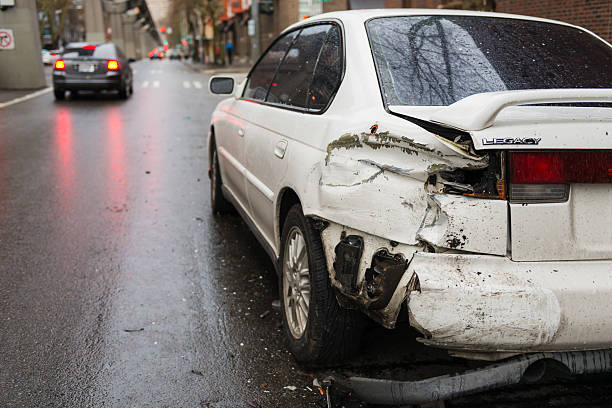
Next, gather evidence yourself. Use your phone to take comprehensive photos and videos of the scene. Capture damage to your vehicle from multiple angles, skid marks on the road, debris from the collision, and the overall location. Look for any nearby homes or businesses that might have security cameras that recorded the incident. If there are witnesses, ask for their names and contact information. A neutral third-party account can be invaluable.
Seek medical attention, even if you feel fine. Adrenaline can mask pain and symptoms of serious injuries like whiplash or concussion. A medical record creates a direct link between the accident and your injuries, which is essential for any personal injury claim. Follow all treatment plans and keep detailed records of all medical visits, bills, and prescribed medications.
Notify your own insurance company as soon as possible, typically within 24 hours. Hit-and-run claims are generally handled under your policy’s uninsured motorist coverage or collision coverage, depending on your state and your specific policy. Be factual and consistent in your description of events, providing the police report number. Do not speculate or admit fault. Your insurer will open a claim and begin an investigation.
Finally, consider consulting with a lawyer who specializes in motor vehicle accidents. A lawyer can navigate the complex process with insurance companies, ensure you meet all legal deadlines, and advocate for the full compensation you deserve, especially if you have significant injuries or property damage. They understand the tactics insurers may use and can handle negotiations on your behalf. Time is of the essence, as evidence fades and statutes of limitations apply. Your actions in the aftermath are not just about reporting a crime; they are the foundation for recovering your losses and moving forward.