
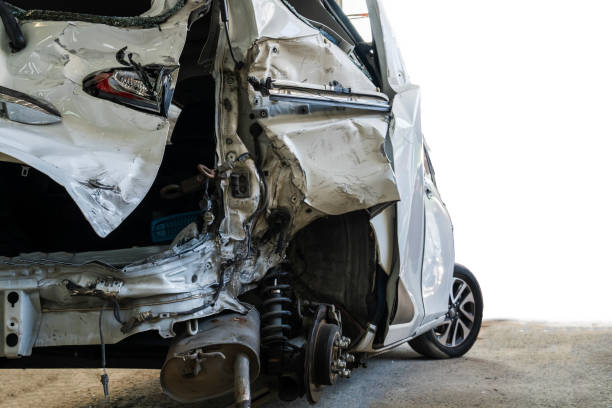
When someone is physically hurt due to another person’s carelessness, the resulting legal demand for compensation is called a bodily injury claim. These claims are not about hurt feelings or damaged pride; they are about tangible, physical harm. The most common scenes for these incidents are vehicle collisions and contractor work sites, but the core principle is the same: if your actions cause someone else to get hurt, you are likely financially responsible for the consequences.
Vehicle collisions are the most frequent source of these claims. The logic is straightforward. Every driver has a legal duty to operate their vehicle with reasonable care. Running a red light, speeding in bad weather, or texting while driving are all failures of that duty. When that failure causes a crash that injures another driver, passenger, cyclist, or pedestrian, the at-fault driver is liable. Their insurance company then handles the injured person’s claim, which covers costs like medical bills from the ambulance ride, emergency room visit, surgery, and physical therapy. It also covers lost wages from missing work and compensation for the very real physical pain and lasting discomfort the victim endures. In severe cases, it includes compensation for permanent disabilities or scarring that alter the victim’s life.
The realm of contractor work, including construction sites and home renovations, is another major area for bodily injury claims. Here, liability can get more complex, falling on different parties depending on who was negligent. A general contractor has a duty to maintain a reasonably safe worksite. If they fail to put up proper safety railings, secure heavy materials, or provide clear hazard warnings, and a worker or even a visiting homeowner falls or is struck, the contractor is liable. Similarly, a specialized subcontractor, like an electrician or roofer, is responsible for performing their work safely. If a poorly secured ladder falls and hits someone, or faulty wiring causes a fire that injures a person, that subcontractor bears responsibility. Crucially, property owners can also be liable in certain situations, such as if they hire an obviously unqualified or unlicensed contractor whose shoddy work leads to a collapse or injury.
The ultimate goal of a bodily injury claim is to make the injured person “whole” again from a financial perspective. Since you can’t undo a broken bone, the law seeks to address the economic fallout. This means calculating every related expense, both current and future. A claim must account for the full trajectory of the injury—not just the initial hospital bill, but also the cost of a needed surgery six months later, the wages lost over a year of recovery, and the lifelong impact of a reduced ability to work or enjoy daily activities. These claims are resolved either through a negotiated settlement with the at-fault party’s insurance company or, if a fair agreement cannot be reached, through a civil lawsuit where a judge or jury decides the outcome. The foundation is always proving that someone else’s unreasonable actions directly caused measurable physical harm.