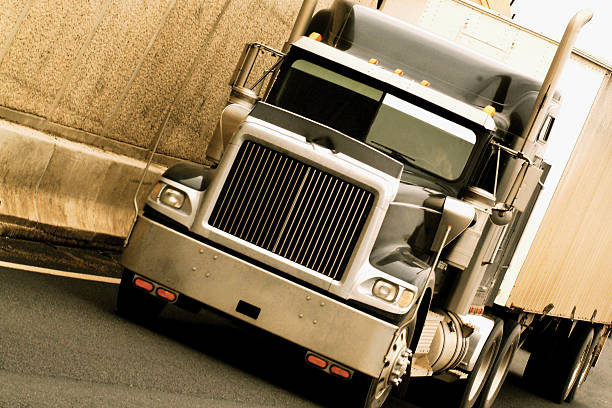
A crash with a commercial truck is not the same as a crash between two cars. In a normal car accident, the fight usually centers on one driver’s mistake. In a truck accident, the fight can involve several businesses, a driver, a maintenance shop, a cargo loader, a broker, and even a parts maker. The truck may be owned by one company, leased to another, driven by a third-party contractor, and loaded by a warehouse that rushed the job. Your claim has to sort out who had a duty to act safely and who failed to do it. That is how you find the right pockets of insurance.
Start with the driver. Was the driver tired, distracted, drunk, or speeding? Did the driver follow too close, change lanes without looking, or ignore traffic signals? Federal rules limit how long truck drivers can stay on the road without rest. Electronic logs, GPS, and dispatch records can show whether the driver was pushed past the limit. Cell phone records can show distraction. The driver’s employment file can show prior crashes or violations. If the driver was careless while working, the trucking company often has to pay for the harm. That is true even when the driver is called an independent contractor, if the company controlled the route, schedule, truck, or load.
The trucking company has its own duties. It must hire drivers with safe records, train them, supervise them, and keep its trucks in safe condition. If it put a driver with a bad history behind the wheel, or if it knew about a brake problem and did nothing, it can share fault. Company safety rules matter too. Some carriers pay by the mile, which can reward speed. Some dispatchers pressure drivers to skip rest. Internal emails, safety audits, and dispatch logs can expose that pressure.
Maintenance is another common source of fault. Brakes fail. Tires blow out. Steering parts break. Coupling devices come loose. Federal law requires regular inspections and repairs. If a shop missed a defect or installed a bad part, the shop may be responsible. If the truck maker sold a defective design, the manufacturer may be responsible. Maintenance records, work orders, and parts invoices become key evidence.
Cargo can also cause a crash. An overloaded trailer, poorly balanced load, or loose straps can make a truck roll over or jackknife. The company that loaded the trailer, the shipper, and the driver may all share responsibility. The shipping paperwork, loading photos, and weight tickets can show what went wrong.
Brokers and shippers can be dragged into the case. A broker arranges loads and hires carriers. If the broker chose a carrier with a terrible safety record just to save money, it may share fault. A shipper can be responsible if it loaded cargo, set an impossible deadline, or ignored unsafe conditions. The key question is control. Who had the power to prevent the crash and failed to use it?
Insurance companies for trucking firms do not wait. They send investigators to the scene, contact witnesses, and try to get a recorded statement from the injured person. They may offer quick money before you know the full extent of your injuries. Their job is to protect the company and its insurer. A recorded statement can be twisted. A quick settlement can be far less than your medical bills, lost wages, and future care. Do not sign or give a statement without getting advice first.
Evidence disappears fast. The truck’s electronic control module can show speed, braking, throttle, and seat belt use. GPS shows where the truck went and how long it stopped. Driver logs show hours of service. Dash cameras show the crash from inside the cab. Shipping records show cargo weight and loading. This evidence can be overwritten or destroyed. Send a written demand to preserve it as soon as possible. If a company destroys evidence after being told to keep it, that can hurt its defense.
Every state has deadlines for injury claims. Truck cases can involve federal safety rules and several states. Missing a deadline can kill your case. Proving fault also takes work. You need medical records, wage loss records, repair estimates, and sometimes expert witnesses. You may recover for pain, suffering, and future medical needs, depending on state law.
A commercial truck crash is a business event with multiple possible responsible parties. The right claim follows every company that touched the truck, the driver, the load, or the road. Move quickly, preserve the evidence, and hold the responsible parties accountable.