
Explosion and fire injury claims, Premises and Property Liability Claims
Defective Electrical Wiring and Fire Injury Claims: What Property Owners Must Know
Every year, hundreds of people are injured in fires that start because of faulty wiring. Some of those fires happen in homes, apartments, and...
1 month ago Read More
Explosion and fire injury claims, Premises and Property Liability Claims
Who Pays When an Apartment Fire Injures a Tenant
If you are hurt in a fire that starts inside your apartment, the first question is almost always about money. Medical bills pile up fast. You may...
2 months ago Read More
Explosion and fire injury claims, Premises and Property Liability Claims
Gas Explosions: Who Pays When a Landlord Ignores a Leak
A gas explosion doesn’t just destroy a building—it shreds lives. People suffer burns, respiratory damage, and permanent disfigurement. Families lose...
5 months ago Read More
Explosion and fire injury claims, Premises and Property Liability Claims
Property Damage from Negligence: Vehicle Collisions, Contractor Work, and Fire from Outdoor Burning
When someone else’s carelessness damages your property, you have the right to be made whole. This area of law is called negligence-based property...
7 months ago Read More
Explosion and fire injury claims, Premises and Property Liability Claims
Escaping Fire Damage: Liability When Your Fire Spreads to a Neighbor’s Property
A fire that starts on your land and jumps to your neighbor’s house, garage, or storage shed creates a straightforward but expensive liability...
1 year ago Read More
How a liability claim gets started, The Basics of Legal Liability Claims
Understanding Product Liability: When Products Cause Harm
Product liability is the legal responsibility of manufacturers and sellers when a defective product they put into the marketplace causes injury or...
1 year ago Read More
Construction site and contractor liability, Premises and Property Liability Claims
Holding Contractors Liable for Property Damage: A Plain English Guide
When you hire a contractor to work on your home or business, you trust them with your property. That trust gets tested when a contractor, an...
1 year ago Read More
Who can be held liable in a claim, The Basics of Legal Liability Claims
Check for Injuries: The First Rule That Can Make or Break Your Liability Claim
The moment an accident happens, your brain floods with adrenaline. You feel shock, confusion, maybe anger or fear. Your first instinct might be to...
1 year ago Read More
How a liability claim gets started, The Basics of Legal Liability Claims
The Legal Risks of Moving an Injured Person After an Accident
Your first instinct after a car crash, slip and fall, or any other incident is to help. You see someone on the ground, possibly in pain, and you want...
1 year ago Read More
Construction site and contractor liability, Premises and Property Liability Claims
Retained Control and Construction Site Liability
When someone gets hurt on a construction site, the first instinct is to blame the contractor who was doing the work. But the law often looks beyond...
6 months ago Read More
Fireworks and explosive injury claims, Premises and Property Liability Claims
When a Homeowner’s Fireworks Display Causes Injury: Who Pays?
If you set off fireworks on your property and someone gets hurt, the immediate question is whether you owe that person money for their medical bills...
1 month ago Read More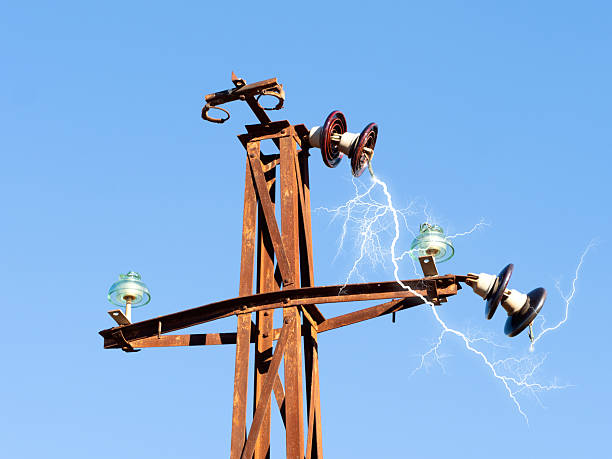
Electric shock and electrocution claims, Premises and Property Liability Claims
Power Line Contact: When Property Owners Are Liable for Electrocution
If someone gets electrocuted on your property because they came into contact with an overhead power line, you might think the utility company is...
1 month ago Read More