

Nursing home abuse and neglect claims, Personal Injury Liability Claims
Bedsores Are a Red Flag for Nursing Home Neglect
If your loved one develops a bedsore while living in a nursing home, you are probably looking at evidence of neglect. Bedsores, also called pressure...
1 month ago Read More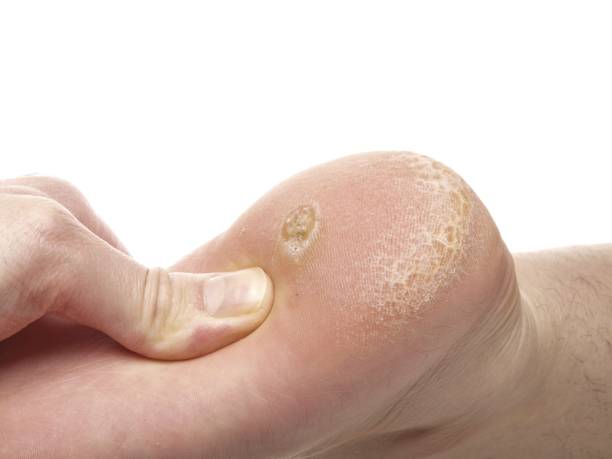
Nursing home abuse and neglect claims, Personal Injury Liability Claims
Pressure Ulcers: The Bedsores That Prove Nursing Home Neglect
A pressure ulcer, commonly called a bedsore, is not a minor skin condition. It is a wound that forms when someone stays in one position for too long...
1 month ago Read More
Nursing home abuse and neglect claims, Personal Injury Liability Claims
Bedsores Are Not an Accident: When Pressure Ulcers Mean Nursing Home Neglect
Families place loved ones in nursing homes expecting round-the-clock care. When a resident develops a bedsore, also called a pressure ulcer, many...
1 month ago Read More
Nursing home abuse and neglect claims, Personal Injury Liability Claims
Bedsores as Proof of Nursing Home Neglect: What You Need to Know
If your parent or spouse develops a bedsore while living in a nursing home, that is not just a medical problem. It is often a clear sign that the...
3 months ago Read More
Nursing home abuse and neglect claims, Personal Injury Liability Claims
Using State Inspection Records to Prove Nursing Home Neglect
When an elderly parent is harmed in a nursing home, the family often feels powerless. The facility denies everything. The medical records are...
3 months ago Read More
Nursing home abuse and neglect claims, Personal Injury Liability Claims
Bedsores: The Hallmark of Nursing Home Neglect
A bedsore is not a normal part of aging. It is a wound that forms when pressure cuts off blood flow to the skin and the tissue underneath. In a...
6 months ago Read More
Lead poisoning liability claims, Toxic Tort and Chemical Exposure Claims
Medical Malpractice: When Healthcare Errors Lead to Liability Claims
Medical malpractice is a specific type of professional liability claim that arises when a healthcare provider delivers care that falls below the...
1 year ago Read More
Medical malpractice liability claims, Personal Injury Liability Claims
Medical Malpractice: When Errors in Diagnosis or Treatment Cause Harm
Doctors, nurses, and hospitals are expected to provide competent care. When they fail to meet that standard and someone gets hurt as a result, the...
9 months ago Read More
Legionnaires disease and waterborne illness, Premises and Property Liability Claims
Legionnaires’ Disease and the Building Owner’s Legal Duty
When someone gets sick from Legionnaires’ disease inside a building, the first question lawyers ask is not who turned on the faucet. It is who...
5 months ago Read More
Employer liability for employee actions, Business and Commercial Liability Claims
Negligent Hiring: When Your Hiring Decision Comes Back to Bite
You hire someone to do a job. You check references, run a background check, and feel confident. Then that employee does something harmful on the job...
4 months ago Read More
Legionnaires disease and waterborne illness, Premises and Property Liability Claims
Building Owners Can Be Held Legally Liable for Legionnaires’ Disease Outbreaks
When you walk into an office building, a hotel, or an apartment complex, you assume the water that comes out of the taps and showers is safe to use...
1 month ago Read More
Wrongful death liability claims, Personal Injury Liability Claims
Proving Causation in Wrongful Death Cases
A wrongful death claim is not about how sad the loss was. It is about whether someone else’s action or failure to act legally caused that death. If...
29 days ago Read More