A pedestrian hit by a car has a strong claim when the driver broke a traffic law or failed to watch the road. But responsibility is not automatic. The main question in most pedestrian accident claims is simple: who had the right to be where they were, and who failed to act with reasonable care? Drivers must yield to pedestrians in many situations, but pedestrians also have duties. The facts decide who pays.
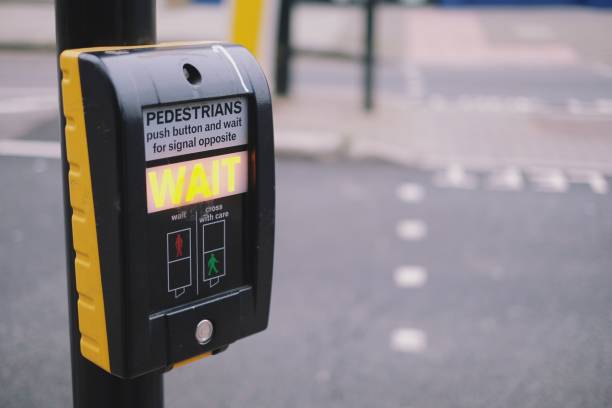
Crosswalks are the clearest example. If a pedestrian is walking inside a marked crosswalk, the driver usually must yield. A driver who turns into a crosswalk, runs a red light, or rolls through a stop sign and hits that person will likely be responsible for the injuries. The same is often true at unmarked crosswalks, which exist at many intersections. In those places, the pedestrian may still have the right of way.
But crosswalks do not give pedestrians unlimited protection. A pedestrian who steps off the curb into the path of a car that cannot stop may share fault. The driver must still try to avoid the crash, but a pedestrian cannot suddenly appear in front of a moving vehicle. If the pedestrian was crossing against a signal, hidden between parked cars, or walking on a dark road in dark clothing, the insurance company will argue the pedestrian is partly or fully responsible.
Jaywalking is one of the most misunderstood issues. Crossing outside a crosswalk is illegal in many places, but that does not give drivers a free pass to hit people. A driver still has a duty to keep a lookout and avoid a pedestrian when possible. If a pedestrian darts into traffic and gives the driver no time to react, fault may shift heavily to the pedestrian. If the driver was speeding, texting, drunk, or not looking ahead, fault may stay mostly with the driver.
Most states use shared fault rules in pedestrian accident claims. That means a jury or insurance adjuster can assign a percentage of responsibility to each person. If the pedestrian is 20 percent at fault and the driver is 80 percent at fault, the pedestrian’s recovery is reduced by 20 percent. Some states bar recovery if the pedestrian is more at fault than the driver. A few allow recovery even if the pedestrian is mostly at fault, but reduce the award. Photos, video, witness statements, police reports, medical records, and phone data can change the percentage.
There may also be more than one responsible party. A driver may be working at the time of the crash, which can bring the employer into the claim. A rideshare driver, bus driver, or truck driver may involve a company with deeper insurance. A bar or restaurant that served a drunk driver may share responsibility. A city or state may be responsible if a broken traffic signal, missing crosswalk, poor lighting, or dangerous road design contributed to the crash. Government claims often have short deadlines and special rules, so they require quick action.
Children, older adults, and disabled pedestrians get special attention in many claims. Drivers are expected to be extra careful around schools, playgrounds, bus stops, and areas with people who may not judge speed well. A child who runs into the street may still be partly at fault, but the driver’s speed and attention matter. A drunk pedestrian may be blamed for stepping into traffic, but the driver cannot use that as an excuse to leave the scene or refuse to cooperate.
After a pedestrian crash, the insurance company may call quickly with a recorded statement or a low offer. The injured person should get medical care, report the crash, and gather evidence. Witness names, photos of the scene, traffic camera footage, and the driver’s insurance information are valuable. The physical and financial harm is often severe, and the fault fight can be as serious.
Pedestrian liability claims are fact-heavy. There is no single rule that makes the driver or the pedestrian responsible. The outcome depends on where the crash happened, what each person did, what each person could see, and what evidence proves it. A pedestrian who was partly at fault can still recover in many states, but the percentage can make or break the claim.