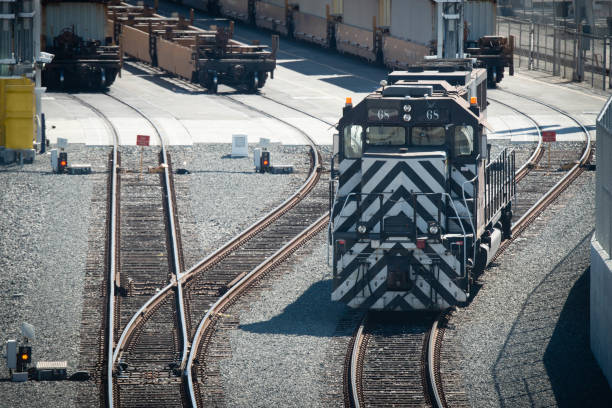
A train cannot swerve. It can take a mile or more to stop. At a crossing, that physics turns a split-second mistake into a catastrophe. When a train hits a car, truck, pedestrian, or another train, who pays is not answered by the schedule. It is answered by evidence, duties, and deadlines. Several parties may share fault, and the railroad will move fast to protect its story. You need to move faster to preserve the facts.
The railroad company is often the first place to look, but it is not the only place. Railroads must use reasonable care. That means maintaining tracks, signals, gates, and crossing surfaces. It means clearing brush that blocks a driver’s view. It means sounding the horn and bell when required and running at safe speeds. If a warning device failed, a gate came down late, a train sped, or a crew ignored a known hazard, the railroad may be responsible.
Government agencies can also be responsible. Cities, counties, states, and the federal government often own or control crossings. They may design them, install signs, set speed limits, or choose warning devices. If a dangerous crossing had no gates, poor lighting, or a broken signal, a government entity may share fault. These claims have special notice rules. You may have only months to file a notice, even if the normal deadline is years away. Miss that notice and the claim can be lost.
The driver or pedestrian may be partly at fault. The law expects people to obey signals, look both ways, and never stop on tracks. If a driver went around a gate or ignored flashing lights, the railroad will use that. But fault is usually not all or nothing. Many states reduce the injured person’s recovery by their share of fault. Some states bar recovery if the person was more at fault than the railroad. The exact rule depends on where the crash happened.
Railroad workers face a different system. If you work for the railroad and are hurt on the job, you usually do not get regular workers’ compensation. You may have a claim under a federal law called FELA. It lets railroad workers sue their employer for negligence. Passengers also have special protection because trains are common carriers. They must use the highest care for passenger safety. A passenger injured in a derailment, sudden stop, or collision may have a strong claim.
Evidence decides these cases. The locomotive event recorder is like a black box. It records speed, throttle, brake use, horn, and bell. The railroad may also have cameras, dispatch logs, signal logs, track inspection records, and crew phone records. Crossing signals may store data showing when lights flashed or gates moved. Police reports, witness statements, photos, video, and medical records all matter. Railroad police and claims agents often arrive quickly. A written evidence preservation letter can help stop records from being destroyed or overwritten.
Injuries from train accidents are often severe because of the weight and speed involved. Victims may suffer brain injuries, spinal cord damage, amputations, burns, fractures, and internal injuries. Claims can include medical bills, lost income, reduced earning power, pain and suffering, future care, and wrongful death. Families of people killed can bring claims for funeral expenses and financial support. The full value of a claim is rarely clear in the first weeks. Accepting a quick settlement before doctors know the long-term outcome can leave a victim with nothing when bills keep coming.
Deadlines are strict. FELA cases usually have three years. Regular injury claims often have two or three years, but some states allow less. Claims against government agencies may require notice in as little as six months. Waiting to investigate can destroy a good case. Lawyers use accident reconstruction, signal, human factors, and medical experts. They measure sight distance, train speed, braking distance, and warning time. If the railroad admits some fault but blames the driver, the case may turn on percentages. Many states reduce recovery for the victim’s share of fault. Some bar recovery if the victim was mostly at fault. Act fast. Get medical care. Do not give a recorded statement. Photograph everything. Contact a lawyer who handles railroad cases before records disappear.