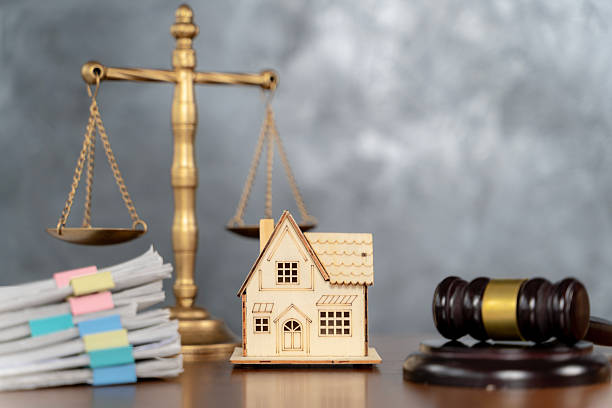
When a home is damaged by a fallen tree, a vehicle is struck in a parking lot, or a burst pipe ruins a neighbor’s belongings, the ensuing legal question often hinges on a single, pivotal concept: negligence. In the realm of property damage claims, negligence is not merely a synonym for carelessness; it is the foundational legal theory used to determine financial liability. It provides a structured framework for establishing whether one party should compensate another for losses, transforming an unfortunate accident into a compensable claim. At its core, negligence in property damage is the failure to exercise the level of care that a reasonably prudent person would under similar circumstances, resulting in harm to another’s property.
To successfully prove a negligence claim for property damage, the injured party, known as the plaintiff, must establish four distinct elements by a preponderance of the evidence. The journey begins with the concept of duty. This legal duty refers to the obligation to act with reasonable care toward others and their property. This duty is pervasive in society; a driver has a duty to operate their vehicle safely to avoid hitting another car, a property owner has a duty to maintain their premises to prevent hazards from injuring visitors or adjacent properties, and a contractor has a duty to perform work in a workmanlike manner. The existence of a duty is often the least contested element, as the law generally recognizes that we all must avoid creating unreasonable risks of harm to others.
The second element, breach, is where the analysis of conduct truly begins. A breach occurs when an individual or entity fails to meet the established standard of care. This is the point where the defendant’s actions—or inactions—are scrutinized. For instance, if a property owner knows a large, dead tree on their land is rotting but takes no action to remove it, and it subsequently crashes through a neighbor’s roof during a storm, that inaction likely constitutes a breach. The question is not whether the action was intentional, but whether it fell short of what a reasonable person would have done in that situation. Evidence such as building code violations, ignored maintenance reports, or witness testimony is crucial in proving this breach.
Establishing duty and breach alone is insufficient. The plaintiff must directly connect this failure to the harm suffered through causation. This link has two parts: cause in fact and proximate cause. Cause in fact, often called the “but-for” test, asks whether the damage would have occurred but for the defendant’s breach. Proximate cause, a more nuanced legal limitation, asks whether the harm was a foreseeable consequence of the negligent act. If a driver runs a red light and collides with a car, the resulting smashed fender is a direct and foreseeable result. However, if that collision somehow causes a power surge a block away that fries a home’s electronics, a court may find that damage too remote to satisfy proximate cause.
Finally, the plaintiff must demonstrate actual damages. In property damage claims, this refers to the quantifiable financial loss incurred. This can include the cost of repairs, the diminution in the property’s market value, or the replacement value of destroyed items. Without provable damages, there is no basis for a lawsuit, as the purpose of a negligence claim is to make the injured party whole, not to punish the wrongdoer. Receipts, repair estimates, and appraisals become vital evidence at this stage.
In conclusion, negligence serves as the critical bridge between accidental property damage and legal responsibility. It is a carefully balanced doctrine designed to encourage responsible behavior while providing a remedy for losses caused by unreasonably risky conduct. By methodically proving duty, breach, causation, and damages, a property owner can seek just compensation. Understanding this framework is essential for anyone navigating the aftermath of property damage, illuminating the path from loss to legal recourse and, ultimately, restoration.