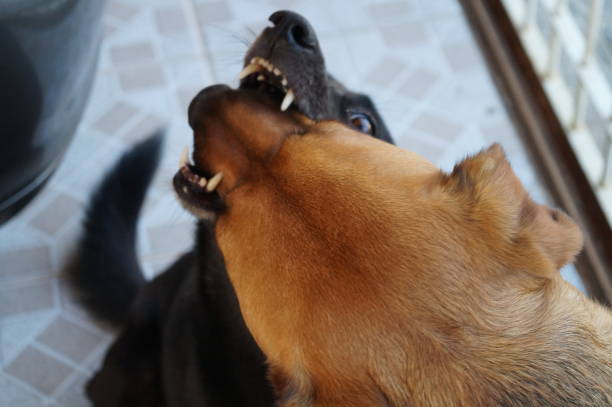
You might have heard that a dog gets “one free bite” before its owner can be held liable for injuries. That idea comes from a legal doctrine called the one-bite rule. It sounds like a fair break for pet owners, but in practice, it hardly ever protects anyone. If you’re dealing with a dog bite claim, you need to understand how this rule actually works – and why most states have either modified it or thrown it out entirely.
The one-bite rule comes from old English common law. The thinking was that dogs are normally harmless animals. So if a dog had never shown aggressive behavior before, its owner had no reason to expect it would bite anyone. The first bite, therefore, caught the owner by surprise. They weren’t negligent because they had no warning. After that first incident, though, the owner knew the dog was dangerous. From then on, they had a duty to control the animal. If they didn’t, the second bite would be on them.
That logic might have made sense in a rural village with free-roaming dogs. It doesn’t hold up in a modern suburban neighborhood or a city apartment building. Still, a surprising number of states keep some version of the one-bite rule on the books. The key is to know that the rule is never an automatic shield. It only applies if the owner genuinely had no reason to suspect the dog could bite. And in most cases, there’s some piece of evidence that undermines that claim.
For example, if the owner saw the dog growl, lunge, or snap at someone before – even if it didn’t make contact – that counts as notice. If the dog has a history of chasing bicycles or guarding its food bowl aggressively, that’s notice too. The law doesn’t require a prior bite. It requires prior knowledge of a dangerous tendency. Dog owners often fail to realize that their dog’s everyday behaviors – snarling at the mailman, barking hysterically at visitors, or biting a leash during walks – are exactly the kind of warning signs that a court will use to strip away the one-bite defense.
Even worse for the owner, many states have abandoned the one-bite rule entirely. Instead, they’ve adopted what’s called strict liability. Under strict liability, the owner is legally responsible for any damage the dog causes, regardless of whether the owner knew the dog was dangerous. It doesn’t matter if the dog had never bitten anyone before. It doesn’t matter if the dog was playing or provoked. If your dog bites someone, you pay. This approach is now the law in roughly half the states. California, New York, Florida, Illinois, and Michigan all follow some form of strict liability. The policy reason is simple: the owner chose to bring a dog into the world. The owner gets the benefits of companionship and protection. The owner should also absorb the costs of an animal that can cause serious injury.
But even in strict liability states, there are limits. The victim typically must be lawfully on the property. A burglar who gets bitten while breaking into a home usually can’t claim compensation. Similarly, if the victim provoked the dog – say, by teasing it through a fence or hitting it with a stick – the owner may have a defense. Some states apply what’s called comparative negligence, which means the victim’s own foolishness can reduce the damages they’re entitled to. For example, if you reach your hand into a car window to pet a strange dog and it bites you, a judge might say you were thirty percent at fault. Your claim would be reduced by that percentage.
There’s also the tricky issue of who counts as the “owner.“ In many cases, it’s not just the person who bought the dog. It can be anyone who has care, custody, or control of the animal. A landlord who allows a tenant to keep a dangerous dog on the property might share liability. A dog walker or a pet sitter might face a claim if the dog bites someone while under their watch. The rules vary widely by state, and the specific facts of each incident matter more than any general principle.
Here’s what you need to remember if you’re either a dog owner or someone who’s been bitten. The one-bite rule is not a free pass. It’s a narrow exception to a broader legal principle: people are responsible for the harm their animals cause. Even in states that still follow the rule, almost any sign of prior aggression can eliminate its protection. And in the many states with strict liability, the rule doesn’t exist at all. So don’t assume a first bite is free. Even a dog with a spotless record can generate a substantial claim if it injures someone. The best protection is prevention – leash your dog, secure your fence, and never let your animal approach strangers. That’s the only way to guarantee you won’t be on the hook for a painful and expensive lawsuit.