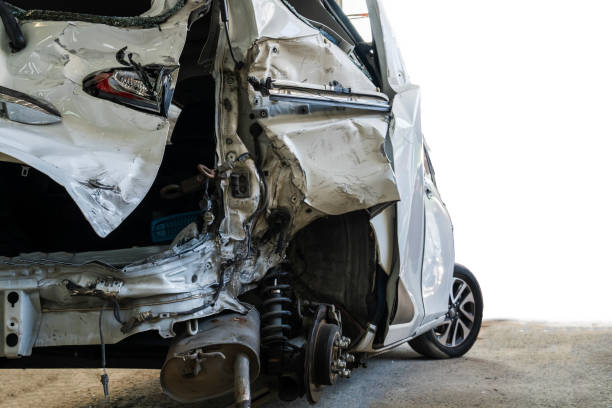

When a car collides with a semi-truck, the natural instinct is to blame the truck driver. But from a legal claims perspective, the driver is often just the tip of a much larger financial and responsibility structure. The trucking company that employs that driver can be held directly liable for the crash, and in many cases, that company ends up paying far more than the driver ever could. Understanding how this works matters to anyone injured in a commercial vehicle accident, because the target of your claim can mean the difference between a full recovery and a dead end.
The most straightforward way a trucking company becomes liable is through negligent hiring. Federal regulations require commercial drivers to have valid commercial driver’s licenses, clean medical exams, and no pattern of serious traffic violations. A company that hires someone without checking these basics has cut corners. If that unqualified driver causes a crash, the company is on the hook because they put an unsafe person behind the wheel. The same logic applies to negligent training. New drivers need to know how to handle loaded trailers, adverse weather, and brake failures. If a company hands the keys to someone with minimal road time and no proper instruction, they have created a foreseeable danger to everyone else on the road.
Then there is negligent supervision. Once a driver is on the job, the company has a duty to monitor performance. If a driver has a history of speeding, logbook violations, or complaints about erratic driving, and the company does nothing, they are legally responsible for failing to act. In many cases, internal records will show warnings or performance reviews that the company ignored. Those documents become powerful evidence in a liability claim. Do not assume that a company will voluntarily share that information. Your attorney will need to subpoena personnel files, safety data, and communication records between dispatchers and the driver.
Pressure to meet deadlines is another common source of company liability. Trucking companies pay drivers by the mile, not by the hour. That creates an incentive to drive fast and skip mandatory breaks. If a dispatcher encourages a driver to “make it on time” or “push through” despite fatigue, the company has directly contributed to the crash. Courts have held trucking companies liable for crashes caused by drivers who exceeded federal hours-of-service limits because the company knew or should have known about the schedule demands. The federal rules are not just administrative paperwork. They exist to prevent fatigued driving, and when a company prioritizes profit over those rules, they are acting negligently.
Another major area is negligent maintenance. Commercial trucks require regular inspections and repairs. Brakes, tires, steering components, and lights all wear down. A trucking company that skips routine maintenance to save money is creating a mobile hazard. If a brake failure or a blown tire causes a crash, the company’s maintenance records will show whether they followed manufacturer recommendations and federal inspection requirements. Missing paperwork, falsified inspection logs, or a pattern of deferring repairs can all establish liability. The mechanic who last serviced the truck may also be a separate defendant, but the company is ultimately responsible for ensuring the vehicle is roadworthy.
Independent contractor arrangements do not automatically shield a trucking company. Many carriers lease drivers or use owner-operators to avoid liability. Courts look at the actual level of control a company exercises over the driver. If the company dictates routes, sets schedules, requires specific logos, and tells the driver when to take deliveries, then the driver is effectively an employee. This is called the “economic reality” test. The label written on paper does not matter. What matters is who controls the work. If a company controls the details, they own the responsibility when that work goes wrong.
Finally, there is the doctrine of respondeat superior. In plain language, that means a company is responsible for the actions of its employees when those actions occur within the scope of their job. If a truck driver is hauling the company’s freight, on the company’s route, and crashes while doing so, the company is liable. Even if the driver makes an error that seems personal, like texting a spouse or taking a detour, the company can still be held responsible if the driver was otherwise performing their duties. Only truly reckless behavior unrelated to the job, like leaving the truck to rob a store, might break that link.
For a victim, the practical takeaway is simple. Do not settle for a handshake agreement with the driver. Investigate the company. Look into their safety records, their hiring practices, their maintenance logs, and their dispatch communications. A good personal injury lawyer will know exactly how to pull those threads. The insurance coverage on a commercial vehicle is typically much higher than a personal auto policy, and the company has corporate assets that can satisfy a substantial judgment. That is where the real money for medical bills, lost wages, and long-term care comes from. The driver may feel sorry and apologize, but the company is the one with the deep pockets. And in a legal system built on responsibility, those deep pockets come with strings attached. You just have to pull them.