
If you are pursuing a liability claim, you have probably heard that mediation is a chance to settle without going to court. What you may not know is how much work your lawyer should do before, during, and after that session. Mediation is not a casual chat. It is a structured negotiation with a neutral third party, and your lawyer is not just a spectator. Their job is to protect your interests, manage your expectations, and make sure you do not agree to something you will regret.
First, understand what mediation actually is. It is a voluntary process where you and the other side meet with a mediator. That mediator does not decide who wins. Instead, they help both sides talk, exchange offers, and find a compromise. For a liability claim, mediation often happens after the facts are clear but before a trial date. Your lawyer should explain this to you in plain terms: you are not giving up your right to a trial unless you sign a settlement. Nothing said in mediation can be used against you later if you walk away. That confidentiality is crucial, and your lawyer should remind you of it constantly.
The real work begins before you sit down. A good lawyer will prepare you for the session. They should tell you what the other side is likely to argue, what your case is realistically worth, and what your bottom line is. This is not about being pessimistic. It is about being honest. You may believe your injury deserves a million dollars. Your lawyer’s job is to show you what evidence supports that number, and what evidence cuts against it. They should also rehearse with you. They might role-play the mediator’s questions, or ask you to explain your side calmly without rage or rambling. The goal is to make you look credible, not desperate.
On the day of mediation, your lawyer handles the flow. There will be a joint session where both sides speak, but more often, the mediator shuttles between separate rooms. Your lawyer will sit with you, listen to each offer, and explain what it means in practical terms. This is where many people lose their heads. The other side might make a lowball offer that insults you. Your lawyer should stop you from walking out or firing back with an angry number. Instead, they will help you craft a counteroffer that keeps the negotiation alive. They also know when to push and when to pause. Sometimes silence is a tool. Sometimes a deadline is a weapon. You need a lawyer who has done this before, because a rookie will just pass messages back and forth without strategy.
Your lawyer also serves as your emotional filter. Mediation is stressful. You are facing the person or company you blame for your pain. You may feel pressure to settle just to end the ordeal. A strong lawyer will keep you grounded. They will ask you questions like, “Is this amount enough to cover your medical bills and lost wages?“ or “Are you okay with a confidentiality clause that prevents you from telling your story?“ They should never pressure you to accept a deal you hate, but they should also not let you reject a fair offer out of pride. That is a delicate balance. A good lawyer gives you their honest assessment, then lets you decide.
What about arbitration? That is different. Arbitration is binding, meaning you give up your right to sue. Your lawyer’s role expands because the proceeding is more formal. In mediation, the mediator has no power. In arbitration, the arbitrator acts like a private judge. Your lawyer will need to present evidence, question witnesses, and make legal arguments. This is much closer to a trial. So if your claim is heading to arbitration, your lawyer should prepare you for that same level of rigor, not treat it like a casual meeting.
Your lawyer’s most important job in both settings is to manage your information. They know what to share and what to hold back. In mediation, you want to show strength without revealing your true bottom line. In arbitration, you want to present a clear case without opening doors for cross-examination. That requires judgment that only comes from experience.
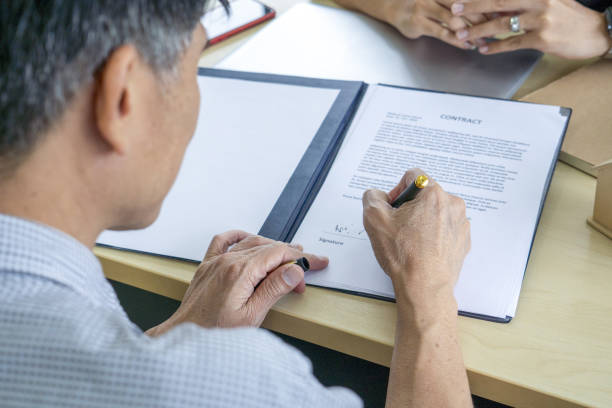
At the end of mediation, if a deal is reached, your lawyer should write it down or review what the mediator writes. They must ensure the terms match what you agreed to. That includes payment timelines, releases of liability, and any non-disclosure clauses. If a deal is not reached, your lawyer should explain the next steps, from continuing negotiations to preparing for trial. They should not make you feel like you failed. Mediation is a tool, not a test.
In short, your lawyer is your guide and guard in this process. They translate the other side’s moves, calm your nerves, and fight for a fair result. If your lawyer treats mediation as an afterthought or rushes you to sign, that is a red flag. A serious, direct lawyer will treat mediation as an extension of their duty to you. And you should expect nothing less.