
Cyber liability and data breach claims, Business and Commercial Liability Claims
Third-Party Vendor Data Breach Claims: Who Pays When Your Vendor Loses Customer Data?
Most businesses do not keep all customer data on their own systems. Payroll, billing, cloud storage, customer support, email, payment processing, and...
11 days ago Read More
Cyber liability and data breach claims, Business and Commercial Liability Claims
Who Pays When Your Vendor’s Data Breach Becomes Your Problem?
Your company has a clean security record. You patched your systems, trained your staff, and bought cyber insurance. Then a vendor you used for...
1 month ago Read More
Cyber liability and data breach claims, Business and Commercial Liability Claims
Vendor Data Breaches: Your Legal Liability for Third-Party Mistakes
Your business can do everything right on its own computers and still get hit with a massive data breach lawsuit because a vendor dropped the ball...
1 month ago Read More
Cyber liability and data breach claims, Business and Commercial Liability Claims
When Ransomware Becomes a Liability Claim
You wake up to a locked screen and a demand for Bitcoin. Your first thought is how to get your files back. Your second thought, if you are smart, is...
2 months ago Read More
Cyber liability and data breach claims, Business and Commercial Liability Claims
Ransomware and Your Insurance Policy: Why Paying the Ransom Is Not a Coverage Decision
When ransomware hits your business, the first call is usually to your IT provider. The second call should be to your insurance broker. But far too...
3 months ago Read More
Professional liability for errors and omissions, Business and Commercial Liability Claims
When IT Consultants Get Sued for Mistakes: Understanding Errors and Omissions Claims
IT consultants sell expertise. When a system fails, a project runs late, or advice turns out wrong, the client loses money and wants someone to pay...
16 days ago Read More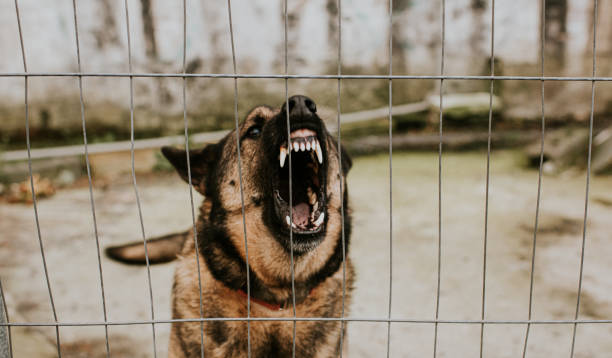
Dog bite and animal liability claims, Personal Injury Liability Claims
What to Do After a Dog Bite: A Step-by-Step Guide
If a dog bites you, your immediate actions are critical for both your health and your legal rights. This is not the time to be polite or assume the...
1 year ago Read More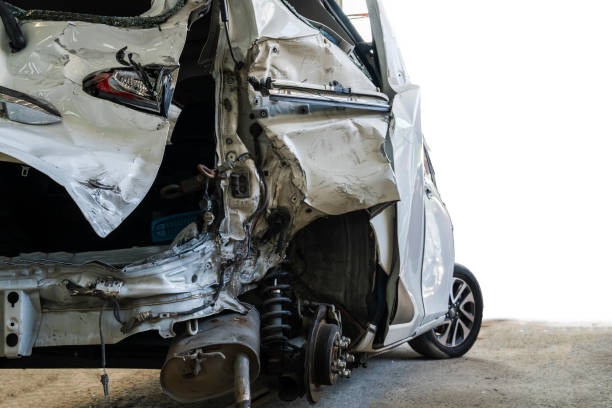
How a liability claim gets started, The Basics of Legal Liability Claims
Understanding Bodily Injury Claims from Accidents
When someone is physically hurt due to another person’s carelessness, the resulting legal demand for compensation is called a bodily injury claim...
1 year ago Read More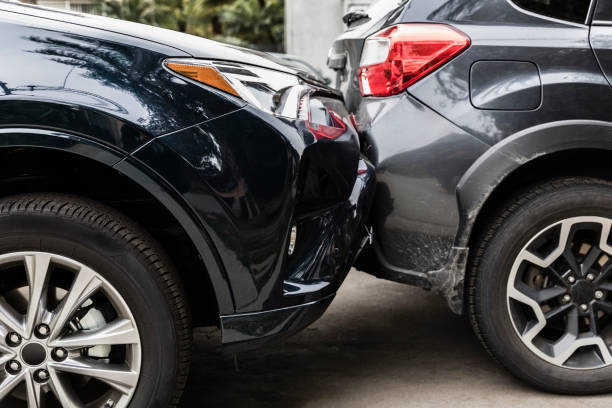
Car accident liability and fault determination, Vehicle and Transportation Accident Claims
What You Need to Know About Car Accident Claims
A car accident claim is the process of getting money from the insurance company of the driver who caused the crash. This money is meant to cover your...
1 year ago Read More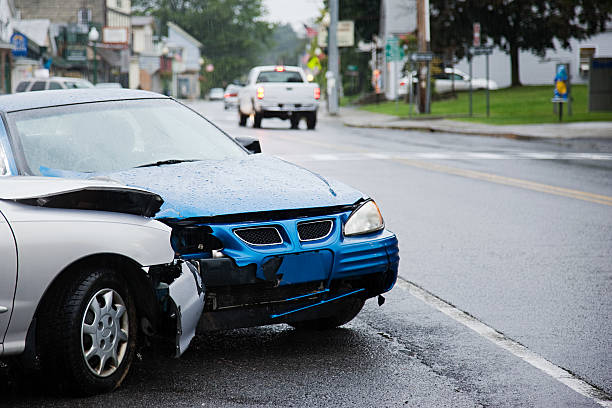
Car accident liability and fault determination, Vehicle and Transportation Accident Claims
Understanding Car Accident Fault and Liability Claims
When you’re in a car accident, figuring out who is at fault is the single most important step. This isn’t about blame for its own sake; it’s about...
1 year ago Read More
Car accident liability and fault determination, Vehicle and Transportation Accident Claims
Your Action Plan After a Hit-and-Run as a Contractor
If you are a contractor hit by a driver who flees the scene, your immediate reaction sets the stage for your entire claim. This situation is uniquely...
1 year ago Read More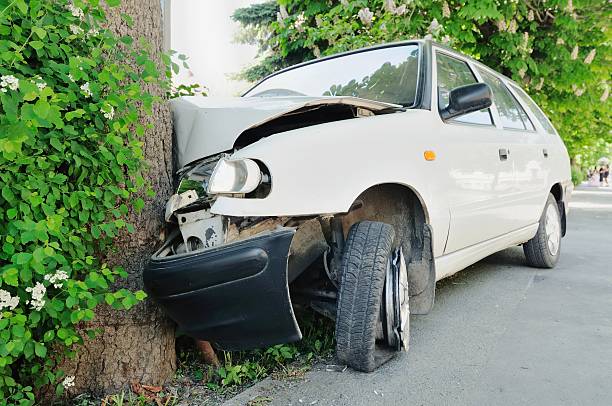
Car accident liability and fault determination, Vehicle and Transportation Accident Claims
Who Pays for Damage from Trees or Fixtures After a Hit-and-Run?
When a driver crashes into your property—like a tree, fence, mailbox, or light post—and then flees, you are left with a damaged fixture and a...
1 year ago Read More