
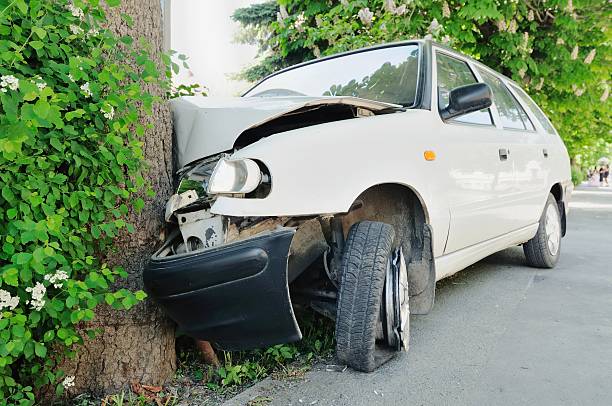
When a driver crashes into your property—like a tree, fence, mailbox, or light post—and then flees, you are left with a damaged fixture and a frustrating question: who pays for this? The situation is a hit-and-run, but with property, not a person. Navigating the aftermath requires clear, direct steps to protect your rights and your wallet.
Your first action must be to call the police immediately. File an official report. This creates a legal record of the incident, which is non-negotiable for any insurance claim or potential investigation. Do not clean up or repair anything until you have documented the scene thoroughly. Take extensive photographs and videos from multiple angles, showing the damage, any skid marks, and debris left behind. If you or anyone else saw the vehicle, note the color, make, model, or even a partial license plate number to give to the police. This evidence is crucial.
Next, you must contact your own insurance company. This is typically your primary path for compensation. Review your homeowner’s insurance policy or your auto insurance policy if the damaged item is a car or a structure attached to your garage. Homeowner’s insurance generally covers damage to structures on your property, like fences, sheds, or light posts, often subject to your deductible. The coverage for a tree can be more specific; your policy may cover removal of the fallen tree if it hit a covered structure, like your house, but might not cover the tree’s value if it was merely ornamental. Be prepared to provide the police report number and all your evidence to your insurer.
A critical question is whether the driver is found. If the police locate the at-fault driver, you can pursue a claim against their auto liability insurance for your property damage. This is the ideal scenario, as it should cover your repair costs without you paying your own deductible. However, hit-and-run drivers are often not found. If they are uninsured or unidentified, your own insurance coverage options come into play. If you have “uninsured motorist property damage” coverage on your auto policy, it may apply here, but this varies significantly by state. For fixtures, your homeowner’s insurance remains your primary resource.
Do not delay in taking these steps. Insurance companies require prompt reporting, and evidence can quickly disappear. While dealing with a hit-and-run is aggravating, a methodical approach is your best tool. Secure the scene, involve law enforcement, document everything, and engage your insurer directly to understand what your policies will cover. This direct action moves you from victim to claimant, putting you in the strongest position to recover your financial loss.