
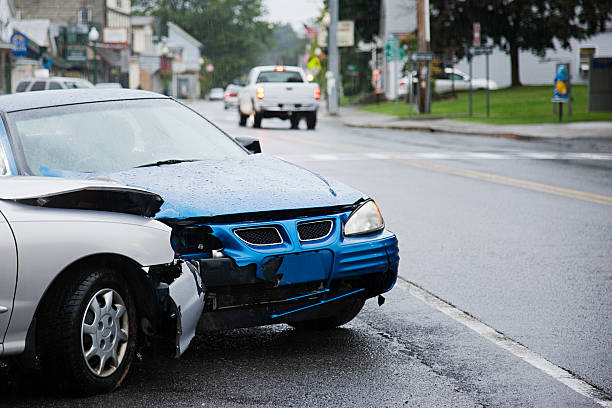
When you’re in a car accident, figuring out who is at fault is the single most important step. This isn’t about blame for its own sake; it’s about legal and financial responsibility. The concept of “fault” determines which driver’s insurance company pays for the damages—vehicle repairs, medical bills, lost wages, and other costs. In most states, the driver who caused the crash through their negligence is financially liable. Negligence simply means failing to drive with the reasonable care that a prudent person would under the same circumstances. Running a red light, following too closely, or texting while driving are clear examples of this failure.
The process of recovering money for your losses is called making a liability claim. You are essentially making a formal demand for compensation to the at-fault driver’s insurance company. There are several main types of liability claims that stem from car accidents, each covering different kinds of losses. Understanding these categories is crucial to ensuring you are fully compensated.
The most common and straightforward claim is for property damage. This covers the cost to repair or replace your vehicle and any other personal property damaged in the crash, like a laptop in the back seat. The at-fault driver’s property damage liability coverage is designed for this purpose. Insurance adjusters will assess the damage, and you will typically receive a payment based on the repair estimate or the vehicle’s actual cash value if it’s totaled.
The second, and often more significant, category is the claim for bodily injury. This is not just for hospital bills. A bodily injury liability claim seeks compensation for all harms caused by the accident. It includes concrete economic damages like past and future medical expenses, rehabilitation costs, and lost income from missing work. Critically, it also includes non-economic damages, which compensate for the very real but less tangible impacts of your injuries. This means money for your physical pain, emotional suffering, mental anguish, and loss of enjoyment of life. A severe injury that causes chronic pain or prevents you from hobbies you love has a value in this type of claim.
In tragic cases where an accident results in a death, the surviving family members may have grounds for a wrongful death claim. This is a separate type of liability action. It allows the spouse, children, or estate of the deceased to seek compensation for their own losses. These damages can include funeral and burial expenses, the loss of the deceased’s expected income and benefits, and the loss of companionship, guidance, and consortium. It is a claim for the devastating financial and emotional hole left by the loss.
Successfully navigating these claims requires clear evidence of fault and detailed documentation of all your losses. From the police report and witness statements to every medical bill and repair estimate, your evidence builds the case for the insurance company. Remember, their goal is to settle for the lowest amount possible. Knowing the full scope of what your claim should include—from your crumpled bumper to your ongoing pain—is your best tool to recover what you are legally owed.