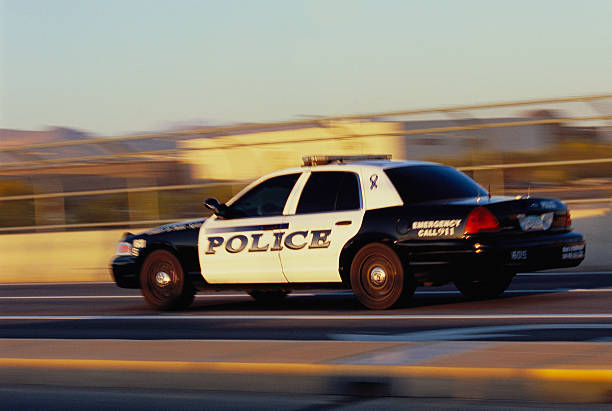
The moment you decide to contact the police—whether after a fender bender, a petty theft, or a disturbing encounter—you are taking a step to formally document an event. It is a action rooted in a belief in procedure and the need for an official record. So, when the responding officer suggests that filing a formal report might be unnecessary, it can create a profound sense of dissonance. This dismissal, whether well-intentioned or not, places the citizen in a precarious position, forcing a critical decision that can have significant legal and practical repercussions.
Often, an officer’s reluctance stems from pragmatic, on-the-ground reasoning. They may assess the situation as a minor incident with no leads, such as a stolen package from a porch with no witnesses or camera footage. In their view, generating paperwork for a statistically “unsolvable” case consumes time and departmental resources that could be directed elsewhere. They might believe they are offering a kindness, sparing you bureaucratic hassle for what they perceive as an inconsequential matter. Alternatively, they may suggest a “civil matter,” like certain neighbor disputes or minor property disagreements, implying the mechanisms of the criminal justice system are not the appropriate tool. While this guidance can sometimes be correct, it inadvertently shifts the burden of judgment from trained professionals onto the often-stressed individual.
However, the citizen’s needs and the police department’s institutional priorities are not always aligned. For the individual, a police report is not merely an investigative starting point; it is a foundational document. It serves as a third-party, time-stamped verification that an incident occurred. This is indispensable for insurance claims. Without a report number, companies may delay, reduce, or outright deny a claim, leaving you financially responsible for damages. Furthermore, a report creates a paper trail. What seems minor today—a vague threat, a piece of vandalism—could escalate tomorrow. Having that initial report establishes a pattern of behavior, which is crucial for obtaining restraining orders or compelling more serious investigative action later. The absence of that first report can weaken your position, making it appear as though you are exaggerating a new, isolated event.
Therefore, when faced with an officer’s hesitation, it is essential to be politely persistent. Calmly articulate your specific reasons for wanting the report. You can say, “I understand, but for my insurance company to process the claim, they require a police report number,” or “I would feel more comfortable having this documented in case anything further happens.” This frames your request not as a challenge to their authority but as a personal necessity for your own procedural and legal safeguards. In most jurisdictions, you have the right to insist on filing a report. If the officer still refuses, ask for their name, badge number, and the incident number for the call log, and clarify the reason for the refusal in front of them. This formalizes the interaction and creates its own record.
Following such an encounter, proactive steps are vital. Contact the police department’s non-emergency line or visit the precinct in person to speak with a supervisor or desk sergeant about filing a report retrospectively. While less ideal than an officer’s on-scene account, a self-reported or follow-up report is far superior to no record at all. Simultaneously, create your own detailed documentation: take photographs, write down a timeline with as much detail as possible, and collect contact information for any witnesses. This personal dossier can be invaluable.
Ultimately, the statement “a report isn’t necessary” is an opinion, not a binding verdict. It is a filter applied through the lens of law enforcement priorities. For the citizen, the calculus is different. The official report is a key that unlocks insurance resources, validates future legal actions, and provides a semblance of control in disruptive circumstances. Politely but firmly insisting on this right is not being difficult; it is an exercise in due diligence, protecting your own interests in a system where the initial response may prioritize efficiency over individual contingency. In the gap between police discretion and personal security, the formal report stands as a crucial piece of evidence, making its creation a step worth insisting upon.