
Lead poisoning liability claims, Toxic Tort and Chemical Exposure Claims
Landlords Face Serious Financial Risk for Lead Paint Poisoning
If you rent out a home or apartment built before 1978, you are sitting on a potential legal time bomb. Lead-based paint was banned for residential...
20 days ago Read More
Lead poisoning liability claims, Toxic Tort and Chemical Exposure Claims
Landlord Liability for Lead Paint: What Tenants Must Prove
Lead poisoning is still a problem. It remains a threat in millions of older homes. Children are vulnerable. Even low levels of lead in the blood can...
22 days ago Read More
Lead poisoning liability claims, Toxic Tort and Chemical Exposure Claims
Landlord Liability for Childhood Lead Poisoning
When a child gets lead poisoning, the source is often not a mystery. In rental properties built before 1978, the culprit is frequently chipping or...
4 months ago Read More
Lead poisoning liability claims, Toxic Tort and Chemical Exposure Claims
Landlord Liability for Lead Paint: Who Pays When a Child Gets Poisoned?
If you rent an older home and your child ends up with lead poisoning, the landlord may be the one who pays the medical bills, cleaning costs, and...
6 months ago Read More
Lead poisoning liability claims, Toxic Tort and Chemical Exposure Claims
The Duty to Warn: When a Product’s Hidden Dangers Lead to Liability
You buy a product expecting it to work as advertised. You do not expect it to injure you. But sometimes the product itself is safe when used...
9 months ago Read More
Lead poisoning liability claims, Toxic Tort and Chemical Exposure Claims
Failure to Warn: When Missing Instructions Lead to Liability
If a product hurts someone, the injury may not be caused by a broken part or a bad design. Sometimes the danger is obvious to the manufacturer but...
1 year ago Read More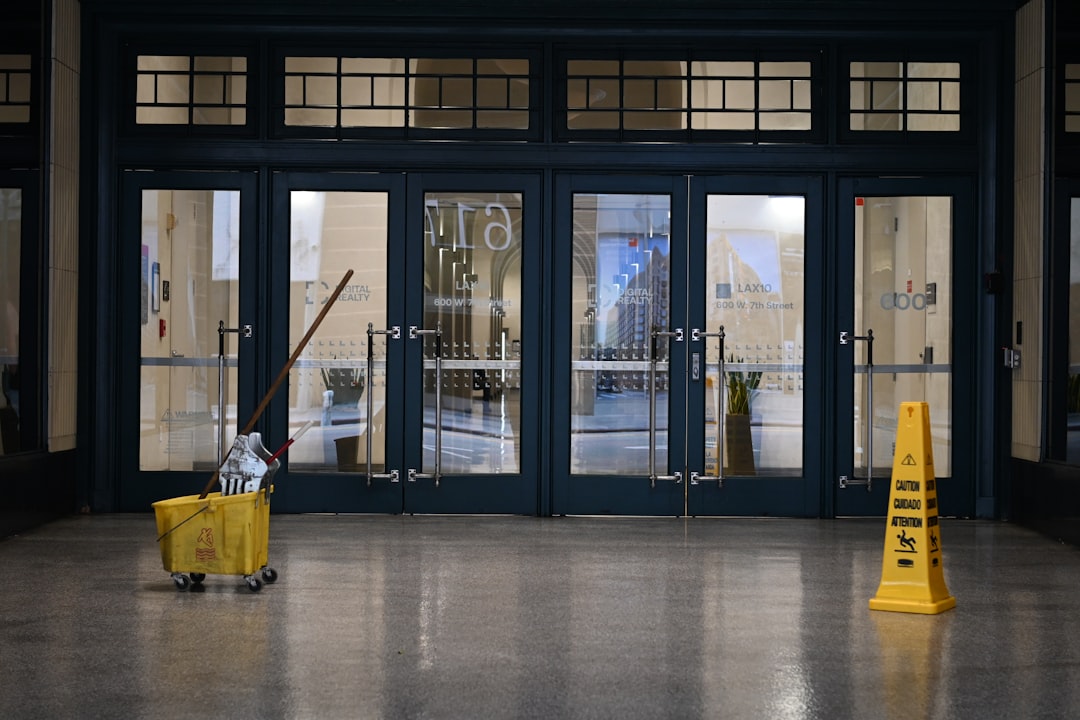
Lead poisoning liability claims, Toxic Tort and Chemical Exposure Claims
How Slippery Floors Lead to Premises Liability Claims
When you walk into a grocery store, a mall, or a restaurant, you expect the floor to be safe. But when a wet spot, a freshly mopped surface, or a...
1 year ago Read More
Lead poisoning liability claims, Toxic Tort and Chemical Exposure Claims
Architectural Malpractice: When Design Defects Lead to Liability
Architects carry a significant burden of responsibility every time they put pencil to paper or cursor to screen. When a building design fails, the...
1 year ago Read More
Lead poisoning liability claims, Toxic Tort and Chemical Exposure Claims
Architectural and Engineering Malpractice: When Design Defects Lead to Liability
When you hire an architect or engineer, you are paying for professional judgment that directly affects the safety, function, and value of a building...
1 year ago Read More
Lead poisoning liability claims, Toxic Tort and Chemical Exposure Claims
Medical Malpractice: When Healthcare Errors Lead to Liability Claims
Medical malpractice is a specific type of professional liability claim that arises when a healthcare provider delivers care that falls below the...
1 year ago Read More
How a liability claim gets started, The Basics of Legal Liability Claims
Understanding Liability: The Leading Causes of Pool Accident Lawsuits
The serene image of a backyard swimming pool belies a significant potential for serious accidents and, consequently, complex legal liability. When...
1 year ago Read More
Construction site and contractor liability, Premises and Property Liability Claims
How Contractor Negligence Leads to Property Damage Liability Claims
When you hire a contractor to work on your property, you expect the job to be done correctly and safely. But mistakes happen. A roofer drops a tool...
1 year ago Read More