
If you or someone you know has been diagnosed with a disease from breathing in silica dust, you are likely facing enormous medical bills and a disrupted life. And when you look for someone to hold accountable, you run straight into a brick wall that stops many claims cold: proving causation. In plain terms, you have to show that the dust from a particular defendant’s product, workplace, or negligence actually caused your illness. That sounds simple, but in silica cases it is anything but.
The core difficulty lies in the disease itself. Silicosis, lung cancer, and chronic obstructive pulmonary disease from silica exposure develop slowly, often over decades. A worker might spend twenty years on a job site before noticing symptoms. By then, they have worked for six different employers, used sandblasting equipment from three manufacturers, and breathed in all sorts of other dust. The law requires you to prove that a specific source was a substantial factor in causing the harm. You cannot just say “I worked around sand, so somebody has to pay.” You have to connect the dots, and the dots are scattered across years and multiple parties.
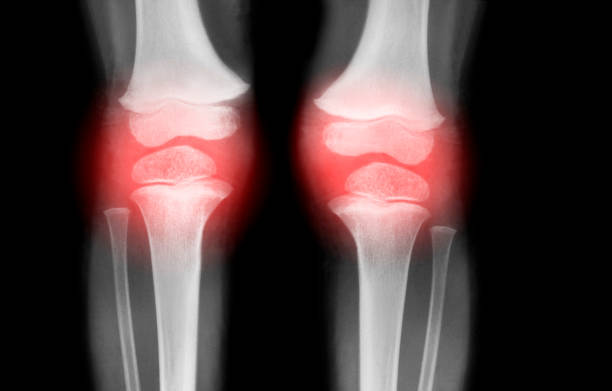
Your medical records are the first place to look, but they often do not tell the full story. A chest X-ray may show scarring typical of silicosis, but it does not say which bag of sand or which cutting tool put that scarring there. To fill in the gap, courts rely heavily on expert testimony. A pulmonologist must explain how silica causes the specific injury you have. An industrial hygienist must reconstruct your historical exposure levels at each job site. This is where many claims fall apart. If your expert cannot say with reasonable medical certainty that your disease came from silica rather than decades of cigarette smoke or background pollution, a judge will likely throw the case out before it ever reaches a jury.
The legal standard for expert evidence, known in most federal courts as the Daubert standard, is strict. Judges act as gatekeepers. They will not let a doctor testify that “it could have been silica” unless that doctor has relied on reliable methodology, reviewed your complete work history, and ruled out other plausible causes. In silica litigation, defendants have successfully challenged plaintiffs who tried to use the same generic expert reports for hundreds of different workers. Each case must have its own specific proof. That means your attorney will need to dig up old safety data sheets, purchase orders, and maintenance logs to show that the product you used actually contained crystalline silica and that the concentration was high enough to cause disease.
Another layer of complexity comes from the distinction between employer liability and product liability. If your exposure happened on the job, workers’ compensation may be your only remedy against your employer, and workers’ comp does not require proving negligence. But workers’ comp benefits are limited, and you cannot sue your boss for pain and suffering. To get full damages, you usually have to sue the companies that made or supplied the silica-containing products. That triggers a different set of rules. You must show those companies failed to warn about the dangers or defectively designed the product for the intended use. And you have to battle statutes of limitations. In many states, the clock does not start when you were exposed, but when you knew or should have known you were sick. Still, delayed diagnoses create eligibility headaches, because you may lose track of which companies still exist and which have gone bankrupt.
There is also the problem of multiple defendants. Say you worked with abrasive blasting media from Company A for ten years, then Company B for five years, and then you later worked in a foundry where silica dust was everywhere. Each defendant will try to shift blame to the others. Some states have adopted rules that allow a defendant to be held liable only for their proportional share of the harm. Others allow joint and several liability, meaning one solvent company can pay for everything even if they only caused a small fraction of the exposure. Knowing which rule applies to your case is a threshold question that can make or break your ability to recover anything.
Because of these hurdles, the way to approach a silica claim is to start gathering evidence immediately. Preserve your employment records. Identify every product you used that contained silica. Get a thorough medical evaluation from a doctor experienced in occupational lung disease. If you do not have a lawyer yet, find one who has handled toxic exposures, not just a general personal injury attorney. The expert witnesses and the documentary evidence they need are expensive and time-consuming to develop. An attorney who knows the landscape will also know which defendants are still solvent and which courts are favorable.
Above all, do not assume that a diagnosis of silicosis automatically means you have a winning lawsuit. The law is not a sympathetic friend. It demands proof, and proof of causation is the single most unforgiving requirement you will face. Accept that reality, build your case around it, and you stand a much better chance of getting the compensation you deserve.