
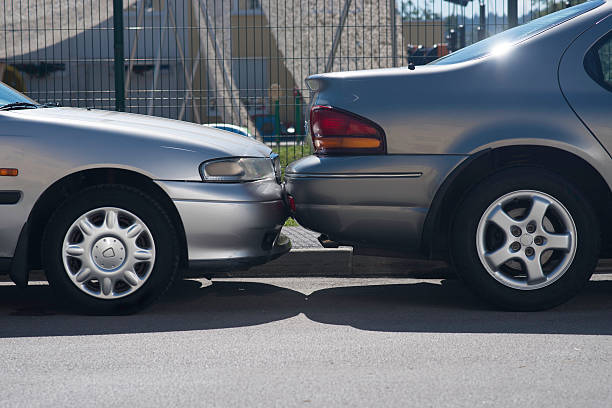
If you have been rear-ended while driving, you probably assume the other driver is automatically at fault. In most states, that assumption is correct, but proving fault for a bodily injury claim requires more than just pointing at the bumper that hit you. Insurance adjusters, lawyers, and judges look at specific facts to decide who caused the crash and how much compensation you deserve. Understanding these factors can make the difference between a fair settlement and a denied claim.
The most important rule in rear-end collisions is the presumption of fault. When one vehicle hits another from behind, the law generally holds the rear driver responsible. The reason is simple: the rear driver has a duty to maintain a safe following distance, pay attention to the road ahead, and react in time to avoid a crash. If they fail to do that, they are negligent. Negligence means they acted carelessly, and that carelessness caused your injury.
But this presumption is not absolute. The rear driver can argue that you, the front driver, did something that made the crash unavoidable. Common defenses include sudden lane changes, brake checking, or a complete loss of brake lights. For example, if you slammed on your brakes without warning to scare a tailgater, the rear driver might argue that your actions were reckless. In that case, a court could find you partially at fault. Many states follow comparative negligence rules, which means your compensation gets reduced by your percentage of fault. If you are found 20 percent at fault, your damages are cut by 20 percent. If you are more than 50 percent at fault in some states, you cannot recover anything at all.
To win your bodily injury claim, you need evidence that proves the other driver was negligent. Start with the police report. Officers usually note skid marks, damage patterns, and witness statements. They may also issue a citation for following too closely or reckless driving. That citation is strong evidence, but it is not a guaranteed win. Insurance companies will review the report carefully and look for any statement you made that could hurt your case. Never admit fault at the scene, even if you think you might have done something wrong. Say you are injured and need medical attention. Let the facts speak later.
Photographs are critical. Take pictures of both vehicles from multiple angles, including the impact zone. Rear-end collisions often leave minimal damage on the front car but can still cause serious neck and back injuries. Do not let an adjuster use the lack of damage to argue you were not hurt. Soft tissue injuries like whiplash do not require visible car damage. In fact, low-speed rear-end collisions frequently cause the most long-term pain because the body snaps forward and backward violently.
Your medical records are the backbone of your claim. See a doctor immediately, even if you feel fine. Adrenaline can mask pain for hours or days. A delayed diagnosis gives the insurance company an excuse to say your injury is unrelated to the crash. Tell the doctor exactly what happened and describe every symptom, no matter how minor. Follow all treatment recommendations, from physical therapy to chiropractic care. Gaps in treatment signal to the adjuster that you are not really injured. Keep a journal of your pain levels, missed work, and daily activities you can no longer do. This documentation proves the injury affected your life.
Witnesses can help, especially if the rear driver claims you brake-checked them. An independent witness who saw the crash from a different angle can confirm you were driving normally. Even a passenger in your car can testify. Their statement may not carry as much weight as a neutral witness, but it is better than nothing.
Another factor is the location and weather conditions. If the crash happened on a slippery road or in heavy fog, the rear driver might argue that you stopped too suddenly for conditions. However, the duty to drive safely for the conditions still falls on the rear driver. They should have slowed down more. Your lawyer will argue that a reasonable driver would have accounted for the weather.
Finally, understand the statute of limitations. This is the deadline to file a lawsuit. It varies by state, usually one to three years from the date of the accident. If you miss that window, you lose your right to sue. Even if you are still treating for injuries, start the claim process early. Most bodily injury claims settle without trial, but you need to be prepared to file if the insurance company lowballs you.
In summary, rear-end collision injury claims rely on the presumption that the rear driver is at fault, but that presumption can be challenged. Your best strategy is to gather solid evidence immediately, see a doctor right away, and never admit fault. With clear proof of negligence and documented injuries, you stand a strong chance of getting compensated for medical bills, lost wages, and pain and suffering.