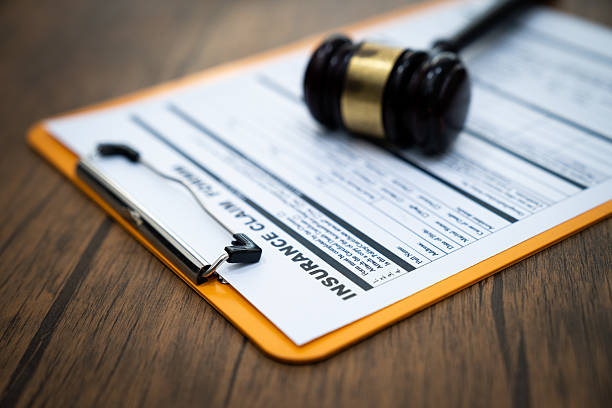

When you submit a formal claim form to your insurance company, you are not just filling out paperwork. You are telling a story. That story must be complete, accurate, and persuasive enough to convince a claims adjuster that your loss is covered and deserves the full amount you are asking for. The difference between a quick, fair payout and a drawn-out denial often comes down to how well you describe what happened. This is not the time to be vague or leave things out. Every detail you include—or fail to include—has consequences.
Start with the basics. Your claim form will ask for the date, time, and location of the incident. Do not guess. If you are not certain about the exact time, write “approximately” and give your best estimate. But if you can verify the time from a receipt, a phone log, or a security camera, use that. Insurance companies love precision because it makes your claim harder to dispute. The same goes for the location. If the damage happened in your home, be specific: “kitchen sink, east wall, near the window.” A vague description like “the kitchen” leaves room for the adjuster to question whether the damage was pre-existing or limited to a small area.
Next comes the narrative. Most claim forms have a section where you must explain how the loss occurred. This is your chance to walk the adjuster through the event step by step. Write in plain English. Use short sentences. Stick to facts, not opinions. For example, instead of saying “The roof was old and rotted, so it leaked,” say “Heavy rain began at 3:00 PM on May 12. Around 4:15 PM I noticed water dripping from the ceiling in the living room. I inspected the attic and saw a hole in the roof shingles directly above the stain.” The first version blames the condition of the roof, which could trigger a maintenance exclusion. The second version describes a sudden weather event that caused damage—a covered peril under most homeowners policies.
Avoid emotional language. Do not write that you were “devastated” or that the damage was “horrible.” These words do not help the adjuster determine coverage. They may even make you seem less objective. Instead, use concrete measurements. How big was the water stain? Six inches across? Two feet? How much property was destroyed? List each item: a sofa, a rug, a bookcase. Include the purchase date and approximate value if you know it. This turns your narrative into a checklist that the adjuster can verify.
One of the most common mistakes people make is leaving out the sequence of events. If you called a plumber before you called the insurance company, say so. If you tried to stop the leak with towels, mention that. These actions show that you acted reasonably to prevent further damage. Insurance policies require you to mitigate your loss—meaning you have to take steps to limit the harm. Failing to describe those steps can lead the adjuster to deduct from your payout for “failure to protect property.”
Another critical detail is whether anyone else was involved. If a contractor, neighbor, or family member witnessed the incident or helped with cleanup, include their names and contact information. Their statements can back up your version of events. If the loss involved a third party—say a delivery driver backed into your garage—you need to provide that person’s information as well. The insurance company may pursue subrogation to recover its costs, and your claim form is the starting point for that process.
Do not forget to attach supporting documents. The claim form itself is just the cover letter. Back it up with photos, videos, receipts, repair estimates, police reports, and any correspondence you have had with witnesses or contractors. Label every attachment clearly. For example, “Photo 1: Water stain on ceiling, taken May 12 at 5:00 PM from living room doorway.” An adjuster might review dozens of claims in a single day. Clear labeling makes their job easier and increases the chance that your evidence gets noticed.
Finally, review your finished claim form for consistency. Read it out loud. Does the timeline make sense? Did you say the rain started at 3:00 PM but the stain appeared at 4:15 PM with no explanation of how the water traveled? That gap could raise questions. Fill it in: “The rain was heavy by 3:30, and the roof hole allowed water to seep through insulation for about 45 minutes before it became visible on the ceiling.” Consistency and logic are your best friends.
Once you submit the form, keep a copy for yourself. Note the date and time of submission. If you mail it, send it certified with return receipt. If you submit online, take a screenshot of the confirmation page. This paper trail protects you if the insurer claims they never received the form or that it was incomplete.
Remember, the claims adjuster does not know what happened. They only know what you tell them. A well-written, detailed claim narrative gives them the facts they need to approve your claim quickly. A sloppy, vague form invites questions, delays, and denials. Treat every line of the form as a chance to prove your case. Be honest, be thorough, and be specific. That is how you win.