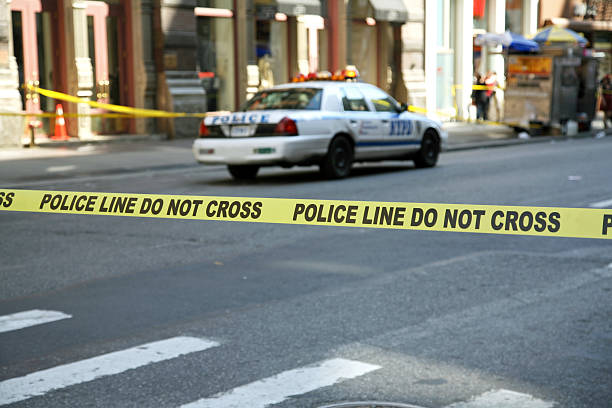
When an unexpected incident occurs, whether a traffic collision, a theft, a property crime, or an act of violence, the initial moments are often clouded by shock, confusion, and adrenaline. In this disorienting state, the instinctive first step—calling the police—is far more than a procedural formality; it is the foundational action that safeguards legal rights, ensures public safety, and initiates a chain of accountability that is difficult to replicate after the fact. This immediate contact with law enforcement serves as the critical first link in a system designed to document, investigate, and resolve matters of public concern and personal injury.
Foremost, an immediate police report creates an official, contemporaneous record of the event. This documentation is invaluable. Officers arriving on scene are trained to observe and record details that may seem trivial to those involved but are crucial for an investigation: skid marks on pavement, the positioning of vehicles, witness statements given while memories are fresh, and the overall condition of the environment. This objective third-party account becomes a fixed point of reference. As time passes, memories fade, physical evidence degrades or disappears, and witnesses become harder to locate. A police report taken at the scene anchors the incident in documented reality, providing an authoritative timeline and set of facts that can prevent disputes over what occurred later. For insurance claims, civil litigation, or criminal proceedings, this report is often the single most important piece of evidence.
Furthermore, calling the police is essential for preserving public safety and facilitating emergency medical response. Many incidents, from car accidents to assaults, involve injuries that may not be immediately apparent to those involved due to shock. A 911 call dispatches not only law enforcement but also emergency medical services, ensuring that health takes immediate priority. Additionally, officers secure the scene, managing traffic around an accident, detaining suspects if necessary, and preventing further harm or escalation. This professional management of the immediate aftermath protects everyone involved and prevents a bad situation from becoming worse. The police serve as the coordinating agency, bringing order to chaos and ensuring that the necessary public resources are deployed efficiently.
From a legal and procedural standpoint, prompt police involvement is often a contractual and statutory requirement. Most insurance policies explicitly require a police report for incidents like auto collisions or property crimes to process a claim. Failure to file a report can give an insurer grounds to deny coverage, leaving individuals financially vulnerable. In cases of suspected criminal activity, delaying a report can severely hinder an investigation. The trail grows cold, suspects have time to flee or destroy evidence, and the opportunity for a swift resolution diminishes. Law enforcement’s ability to collect forensic evidence, such as fingerprints or DNA, is highly time-sensitive. By calling immediately, citizens activate the justice system at its most potent moment, maximizing the chance for a successful investigation and prosecution.
Finally, the act of making that call establishes a clear line of official accountability. It transfers the burden of the incident from the shoulders of private individuals to the appropriate civic authorities. This is not an abdication of responsibility but a recognition that society has established specialized institutions to handle such matters. It protects individuals from accusations of taking matters into their own hands or of failing to report a serious event. In a broader sense, timely reporting also contributes to community safety data, helping law enforcement identify crime patterns and allocate resources effectively.
In conclusion, while the impulse after a distressing incident might be to resolve matters privately or to delay dealing with official channels, doing so carries significant risk. Calling the police is the critical first step because it professionally documents the facts, prioritizes health and safety, fulfills legal obligations, preserves the integrity of an investigation, and engages the mechanisms of justice and insurance at the moment they are most effective. It is the decisive action that transforms a chaotic event into a managed process, laying the essential groundwork for resolution, recovery, and accountability.