Every legal liability claim, no matter how big or small, rises or falls on one thing: evidence. From the moment an incident occurs to the final check or court verdict, the entire claim lifecycle is nothing more than a structured process of gathering, presenting, and challenging proof. Without evidence, a claim is just a story. With solid evidence, that story becomes a case that can be resolved fairly. Understanding how evidence drives each stage of the process is essential for anyone who might file a claim or who simply wants to know how the system actually works.
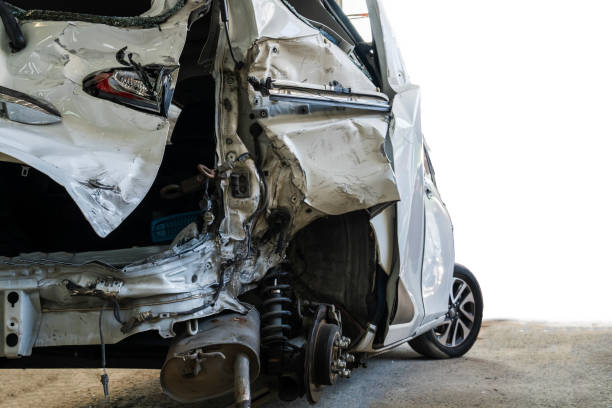
The lifecycle of a liability claim begins the second something goes wrong. A slip in a grocery store, a car accident, a defective product – these events create the raw material for a claim. But the first critical step is documentation. What you do immediately after an incident can make or break your case. Photographs of the scene, names and contact information of witnesses, receipts for damaged property, and even a simple note written to yourself about what happened are all forms of evidence. These items do not need to be fancy or formal. They just need to be accurate and timely. Memory fades, physical evidence gets cleaned up, and people move away. The evidence you gather in the first hours is often the most reliable you will ever have.
Once a claim is formally filed with an insurance company or in court, the investigation phase begins. This is where claims adjusters or attorneys take over the evidence-gathering process. They will interview witnesses, request medical records, obtain police reports, inspect damaged property, and review any relevant documents like contracts or maintenance logs. The goal here is simple: determine what actually happened and who is legally at fault. In most liability claims, fault is not about moral blame. It is about establishing that one party breached a duty of care and that this breach directly caused the other party’s injuries or losses. Evidence is the only tool that can prove those elements. A witness who saw the store employee ignore a wet floor sign, a surveillance video showing a driver running a red light, or an expert report linking a faulty wiring to a house fire – each piece of evidence answers a specific question in the chain of causation.
The standard of proof in civil liability claims is a preponderance of the evidence. That means the evidence must show that it is more likely than not that the defendant was at fault. This is a lower bar than the criminal standard of beyond a reasonable doubt, but it is still a real bar. Without sufficient evidence, a claim will go nowhere. Insurance companies and courts do not care about arguments or emotional appeals. They care about what the evidence objectively demonstrates. This is why the investigation phase is so crucial. If either side fails to produce key evidence – say, a lost maintenance log or a missing dashcam recording – that gap can shift the entire outcome of the claim.
After the investigation, the evidence drives the negotiation phase. Most liability claims never go to trial. Instead, they are settled through back-and-forth negotiations between the parties and their insurance carriers. The strength of your evidence directly determines your bargaining position. If you have clear, documented proof of the other party’s negligence, their attorney will be much more willing to make a fair settlement offer. If your evidence is weak or contradictory, you will be pressured to accept a lowball offer. Experienced claims adjusters are trained to evaluate evidence the same way a judge or jury would. They know which pieces of evidence are persuasive and which are likely to fall apart under scrutiny. So when you sit down at the negotiation table, your evidence is your leverage.
If settlement talks fail, the claim moves into litigation. At this point, evidence becomes the very substance of the trial. Both sides will have engaged in a formal process called discovery, where they exchange relevant documents, take depositions, and subpoena records. The rules of evidence become stricter here. Hearsay, irrelevant information, and unauthenticated documents are excluded. Each side must lay a proper foundation for every exhibit and witness. A lawsuit is fundamentally a presentation of evidence to a neutral third party – either a judge or a jury – who then decides which version of events is more credible. The party with the stronger, better-organized, and more admissible evidence will win. It is that simple.
Even after a verdict or settlement, evidence continues to matter. If a party believes the evidence was mishandled or false, they may appeal. Payment of the claim depends on the final documented agreement. And in cases of ongoing harm, such as product liability, the evidence might be preserved for future claimants. The lifecycle does not truly end until every piece of evidence has been considered and resolved.
In the end, all liability claims are essentially evidence contests. From the first photograph taken on a smartphone to the final exhibit marked at trial, proof is the language of the legal system. Anyone involved in a claim should focus on one central task: collect and preserve evidence as early and thoroughly as possible. That is not legal jargon. That is just practical wisdom.