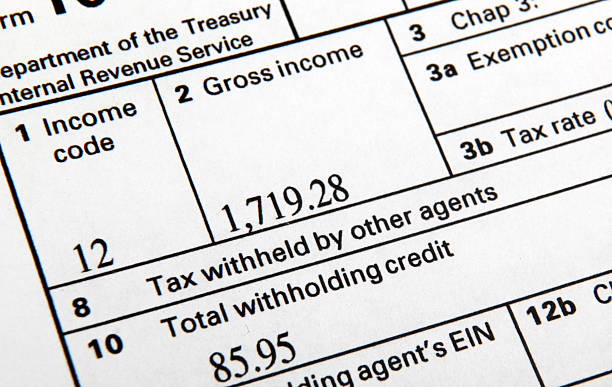
Submitting a formal claim form is the moment your insurance claim becomes official, but the form itself is just the start. Insurance companies don’t accept your word alone. They demand proof. Without solid documentation, your claim will stall, get reduced, or be denied outright. The difference between a payout and a headache comes down to how well you back up every number, date, and description on that form. This article walks you through exactly what documentation you need, why it matters, and how to organize it so your claim moves forward without unnecessary delays.
Start with the obvious: photos and videos. Before you move anything, repair anything, or clean anything, take pictures from multiple angles. If the damage is from a car accident, photograph the position of both vehicles, the road conditions, and any visible injuries. If it’s property damage from a storm or fire, shoot the entire scene, then zoom in on specific broken items, water stains, or debris. Video is even better because it captures context that still photos miss. Walk slowly through the damaged area, narrating what you see. Do not assume the adjuster will visit the scene. Many claims are handled remotely now. Your visuals are the adjuster’s eyes. Store them in the cloud and on a physical drive so you don’t lose them.
Next, gather receipts and proof of ownership. Insurance policies pay for actual value or replacement cost, but both require you to show what you owned and what it was worth. If you bought a television three years ago, dig up the credit card statement, the store receipt, or the warranty registration. For items you received as gifts, find a photo of the item in your home or a product box with a serial number. If you have no receipt, get a written estimate from a retailer that sells the same model today. The adjuster will compare your claimed value against market prices, so your documentation must be current and specific. A vague description like “furniture” will get you a lowball offer. “Sofa, model XYZ, purchased June 2021 for $2,500” is proof.
Medical records are non-negotiable for bodily injury claims. If you were hurt in an accident, get a doctor’s note dated the same day or the next business day. Insurance companies are suspicious of injuries reported weeks later. Your medical records must show the nature of the injury, the treatment plan, and the prognosis. Keep copies of all prescriptions, physical therapy referrals, and diagnostic imaging reports. If you miss work, get a letter from your employer stating your lost wages and the dates you were unable to work. For pain and suffering, you need a journal. Write down how the injury affected your daily life: couldn’t sleep, couldn’t pick up your child, couldn’t drive for two weeks. This humanizes your claim and gives the adjuster something concrete to evaluate.
Estimates for repairs are equally critical. If your roof leaks, get three written estimates from licensed contractors. Do not use a single estimate from a friend who owes you a favor. Insurance companies compare estimates against industry standards. If your estimate is far above the norm, you must justify it with line-item details: materials, labor hours, permits, and disposal fees. If you already paid for repairs, provide the paid invoice and proof of payment. Never sign a contract with a contractor before your claim is approved. The insurance company might want to inspect the damage before you fix it. If you repair before inspection, you risk losing coverage for that damage.
Now, what about the claim form itself? The form is your official statement of what happened. Every word matters. Do not exaggerate. Do not guess. If you aren’t sure of a date, say “approximately” and explain why. If you can’t remember the exact value of an item, state “estimated at $300 based on similar model sold online.” Lies or misrepresentations can void your entire policy. Insurance companies have special investigation units that check for inconsistencies. They compare your claim form against police reports, medical records, and even social media posts. If your claim form says you were bedridden, but your Instagram shows you at a barbecue, you lose.
Organize your documents in a logical order. Create a folder, either physical or digital, with tabs or subfolders for each category: incident report, photos, receipts, medical records, repair estimates, and correspondence with the insurance company. Label every file with a clear name like “Receipt_Couch_2022-03-15.pdf.” When you submit the formal claim form, attach a cover sheet that lists each document and its relevance. Don’t assume the adjuster will dig through a chaotic pile. Make their job easy, and they are far more likely to approve your claim quickly.
Finally, keep copies of everything you send. Use certified mail or electronic confirmation for the claim form itself. Insurance companies lose paperwork. If they deny your claim, you need proof that you submitted everything on time. Do not rely on verbal agreements. Get everything in writing. If the adjuster says they need one more thing, ask for that request in an email or letter. This creates a paper trail that protects you if the claim goes sideways.
In short, the formal claim form is your opening statement, but your documentation is your evidence. Build your evidence carefully, honestly, and thoroughly. It transforms your claim from a story into a provable fact. That is what insurance companies pay for.