A tree on your property does not stay put forever. Storms, disease, poor maintenance, or simple old age can send a tree or its limbs crashing down onto your neighbor’s house, car, fence, or shed. When that happens, someone has to pay for the damage. The answer is not always the person whose tree fell. In the United States, property damage from falling trees is governed by a straightforward rule of negligence. You are liable only if you knew or should have known the tree was a hazard and you did nothing about it. If the tree was healthy and the fall was an act of nature, you generally owe nothing.
The core legal principle is duty of care. Every property owner has a duty to keep their land from causing unreasonable harm to neighboring property. This duty is not a guarantee that nothing will ever go wrong. It simply means you must act like a reasonably careful person. For trees, that means inspecting them regularly, especially after heavy storms or drought, and taking action when you spot dangers such as dead branches, cracks in the trunk, fungal growth, or leaning that gets worse over time. If you ignore these warning signs and the tree falls, a court will likely find you negligent. If you had no reason to suspect a problem, the damage is considered an unavoidable accident, and your neighbor’s insurance covers the loss, or they pay out of pocket.
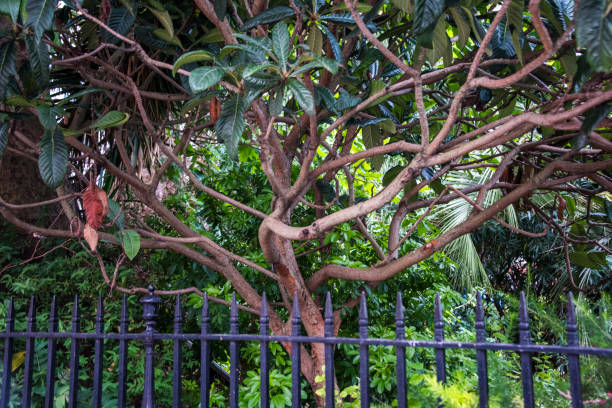
What counts as a warning sign? A certified arborist can tell you, but common red flags include large dead limbs, bark that is peeling away from the trunk, cavities or holes where animals nest, mushrooms growing at the base, soil heaving around the roots, or a trunk that is split. If a tree has any of these, you have a duty to investigate further. If you hire a professional who recommends cutting the tree down or trimming it, you must follow that advice. If you ignore it, you are on the hook for future damage. The same applies if you know about a problem from a previous storm or from a neighbor’s complaint. A single email or phone call that warns you about a dangerous tree can be enough to establish that you had notice.
The type of damage matters for the claim. If a tree falls and destroys a fence or crushes a parked car, that is property damage. The owner of the damaged property can file a claim with your homeowner’s insurance, or if you are uninsured, they can sue you directly. Your insurance policy typically covers liability for property damage caused by your negligence, including falling trees, as long as you were not aware of the danger beforehand. But if you knew the tree was rotten and did nothing, the insurance company may deny coverage for gross negligence or intentional conduct. The standard is simple: Did you act reasonably? If yes, your policy pays. If no, you pay.
Neighbors often assume that if a tree from their yard falls onto a neighbor’s property, the tree owner is automatically responsible. That is false. The law, in most states, follows the rule of natural occurrence. A healthy tree that falls in a storm is not the owner’s fault. The neighbor’s own property insurance covers the damage under their dwelling, other structures, or personal property coverage, depending on what was hit. The tree owner’s insurance does not pay unless negligence is proven. This is why it is critical for homeowners to carry adequate insurance for their own structures and possessions. Relying on a neighbor’s policy is a bad bet.
There is one important exception. If a tree is dead or diseased and you know about it, and it falls and causes damage, you are liable regardless of whether a storm or other event triggered the fall. The law treats a dead tree as a foreseeable hazard. The same goes for a tree that is leaning dangerously, even if still alive. In these cases, the damage is not an act of God; it is a foreseeable consequence of your inaction. Courts have consistently held owners responsible for failing to remove trees that were clearly in danger of falling. The burden of proof is on the person who suffered the damage. They must show that you knew or reasonably should have known the tree was unsafe. That often requires records of prior complaints, photos, or expert testimony from an arborist who can confirm the tree’s condition before the fall.
How do you protect yourself? First, inspect your trees at least once a year. After a big storm or prolonged drought, inspect again. If you see anything suspicious, call an arborist. Keep a written record of any inspections, recommendations, and work done. If a neighbor tells you your tree looks dangerous, do not ignore it. Document the conversation. Second, review your homeowner’s insurance policy. Make sure you have enough liability coverage to cover a worst-case tree fall. Standard policies often provide $100,000 to $300,000 in personal liability, but your policy limit may be lower. Consider an umbrella policy if you own large, old trees near houses or roads. Third, if you rent your property, your landlord may have responsibility, but you as a tenant may also be liable if you invited the tree onto the property or failed to report a known danger. The same basic rules apply.
If you are the one whose property was damaged, do not assume the tree owner is at fault. Contact your own insurance company first. They will investigate and can subrogate against the tree owner if there was negligence. If your insurance covers the damage, filing a claim is typically faster than suing. If your insurance denies coverage or you do not have insurance, you can file a lawsuit. You will need to prove the tree owner knew or should have known about the danger. That means gathering evidence: photos of the tree before it fell, witness statements, weather reports, and an arborist’s opinion. The legal process is straightforward, but it is not quick. You may have to pay court costs and wait months or years for a resolution.
Falling tree liability comes down to one thing: awareness. If you knew there was a problem, you pay. If you had no clue, you do not. It is a fair system that balances the rights of property owners with the duty to avoid harming others. The smart move is to take care of your trees, keep records, and make sure your insurance is strong enough to handle the worst case. That is the only way to protect your wallet when gravity does the unexpected.