
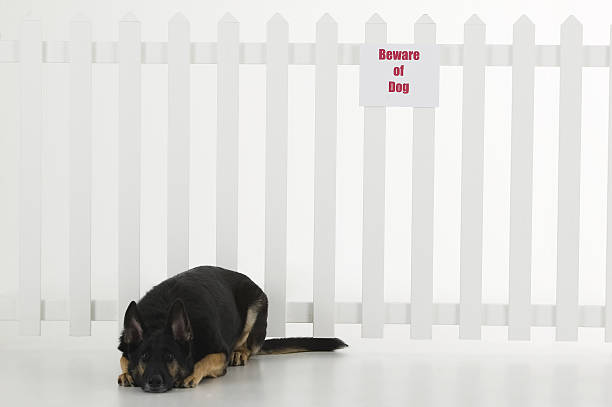
If a dog bites someone, the owner is almost always legally responsible for the damages. That means medical bills, lost wages, pain and suffering, and sometimes even permanent scarring or emotional trauma. Most people assume they will have to pay for all of this out of their own pocket, but in reality, the homeowner’s insurance policy usually steps in to handle the claim. Understanding how that process works can save you from panic, confusion, and expensive mistakes.
First, you need to know what a liability claim actually is in this context. When your dog bites a neighbor, a delivery driver, or a guest in your home, that person has a legal right to demand compensation from you. That demand is a claim. It is not a lawsuit yet. It is a request for money to cover the harm done. If you have a homeowner’s insurance policy, your insurance company has a duty to respond to that claim on your behalf. They will investigate, negotiate, and if necessary, pay out a settlement or defend you in court.
Most standard homeowner’s policies include personal liability coverage. This coverage applies to injuries that happen on your property or because of your actions or the actions of your pets. Dog bites fall squarely into that category. The policy typically covers the cost of the claim up to a certain limit, often $100,000 or $300,000. If the damages exceed that limit, you are personally on the hook for the difference. That is why it pays to check your policy limits before an incident happens.
When a dog bite claim is filed, the insurance company assigns an adjuster to the case. That adjuster will contact the injured person to gather details about the bite, the circumstances, and the medical treatment required. The adjuster will also talk to you, the policyholder. They will want to know if the dog has bitten before, whether the dog was leashed or confined, and whether there were any warning signs or provocation. This information helps the adjuster decide how much liability you have and how much the claim is worth.
One common mistake dog owners make is admitting fault or apologizing immediately after the bite. Even a simple “I’m so sorry” can be used against you later. The insurance company advises you not to say anything that could be interpreted as an admission of legal responsibility. Instead, you should provide basic factual information to the adjuster and let them handle the rest. The insurance company’s lawyers are on your side, but they need a clear picture of what happened without you making the situation worse.
Another important point is that not all dog breeds are treated the same by insurance companies. Some policies exclude certain breeds considered dangerous, like pit bulls, Rottweilers, or German shepherds. If you own a breed that is excluded, your insurance may deny coverage for a bite claim. That leaves you personally responsible for the entire cost. It is worth checking your policy for breed restrictions before you get a dog, or before an incident occurs. If your dog is excluded, you can look for a specialty insurer that covers high-risk breeds, but expect higher premiums.
The insurance company will also look at whether you were negligent. For example, if you knew your dog had a history of aggression and you still let it run loose, the claim will likely be paid. But if the injured person was trespassing or intentionally provoked the dog, the insurance company may contest liability. They might argue that the injured person assumed the risk or caused the bite themselves. In those cases, the claim might be denied or reduced.
Once the adjuster has all the information, they will make an offer to settle the claim. That offer is based on the medical bills, lost income, and a typical multiplier for pain and suffering. The injured person can accept that offer, negotiate for more, or hire a lawyer to file a lawsuit. If a lawsuit is filed, the insurance company provides an attorney to defend you in court, and they pay for the legal costs. If the case goes to trial and the jury awards more than your policy limit, you are still responsible for the excess, but that is rare. Most dog bite cases settle before trial.
The key takeaway is that homeowner’s insurance acts as a financial shield for dog owners. But that shield only works if you have the right coverage, understand your policy exclusions, and cooperate with your insurer. Do not assume you are fully protected just because you have a policy. Read the fine print, ask your agent about dog bite liability, and consider an umbrella policy if you own a large or aggressive dog. A single serious bite can cost tens of thousands of dollars in medical bills alone, and without insurance, that bill falls entirely on you.