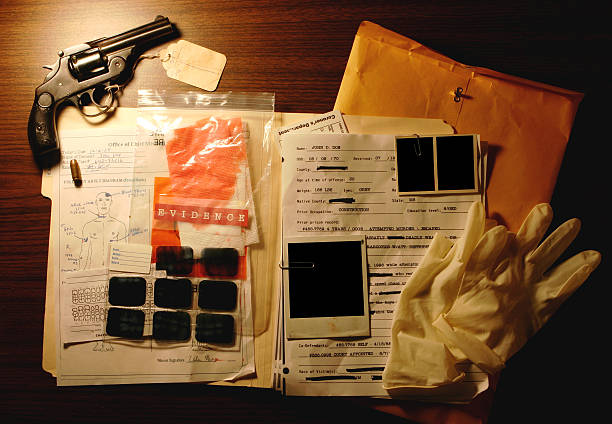
A police report is often the first piece of hard evidence a liability adjuster or judge sees. It is not the final word, but it carries serious weight because it comes from a neutral third party trained to document facts. If that report contains contradictions, errors, or omissions, your claim can collapse before it even gets traction. The opposite is also true: a clean, consistent police report can seal a settlement in your favor. Understanding how inconsistencies arise, why they matter, and what you can do about them is not optional if you want to protect your claim.
The primary danger is simple: inconsistencies make you look unreliable. When an officer writes that you said you were going thirty miles per hour at impact, and then you later tell your insurance adjuster you were going twenty-five, the difference might be small in real life, but in a liability claim it becomes a crack that opposing counsel will hammer wide open. They will argue that if you cannot get a basic fact right in the immediate aftermath, your entire version of events is suspect. This is not about lying. It is about the natural chaos of an accident. Adrenaline, shock, and confusion hit everyone. Your memory is not a hard drive. An officer arrives minutes after the event and wants a clean story. You give one. Later, you remember that you actually braked earlier or that the other driver cut you off from a different lane. That honest correction becomes an inconsistency.
Another common source of trouble is the officer’s own errors. Officers handle multiple incidents each shift. They write reports from notes scribbled in a notebook while standing in traffic or rain. They can mishear a license plate, transpose a street name, or write down the wrong direction of travel. They might summarize your statement in their own words, not yours, losing nuance. A phrase like “I think he was speeding” might become “Witness stated the other driver was traveling at high rate of speed.” That is a significant shift. It changes your statement from an uncertain observation to a definitive accusation. When that hits a deposition, you will have to explain why your sworn statement differs from the officer’s written account. That mismatch can kill your credibility.
The timing of the report matters enormously. If the officer arrives on scene before any vehicles have been moved, the report captures skid marks, debris locations, and vehicle positions. That physical evidence is objective. But if the accident scene has been cleared, or if you tell the officer that you are fine and then later discover an injury, the report will say “no injuries reported.” That single phrase can be used to argue that the injury must be minor or preexisting. A report that says the weather was clear when it was actually drizzling is another inconsistency that an insurance adjuster will exploit. They will ask why the officer got it wrong, implying that your story is also wrong.
The worst inconsistency is a flat contradiction between your statement on scene and your later testimony. Suppose you tell the officer, “I did not see the other car until impact.” That is an honest admission. Later, your lawyer argues that the other driver was speeding and should have been visible. Defendant’s counsel will put the police report in front of you and ask, “Why did you tell the officer you did not see the car if you now claim it was clearly there?” Your answer about shock or poor light will sound like an excuse. The report becomes a weapon against you.
What can you do? First, never guess or speculate when talking to the officer. Say only what you know for certain. If you are unsure about speed, distance, or time, say “I do not know.” That is better than giving a number that later proves wrong. Second, ask the officer for the report number and the department’s procedure for getting a copy. Get the report as soon as it is available, usually within a few days. Read it carefully. Look for errors in your name, vehicle description, location, direction of travel, and especially any direct quotes attributed to you. If you find a mistake, do not panic. Contact the officer or the records division. Many departments allow a supplemental report or a correction, especially for objective errors like a wrong date or street name. You cannot force them to change a subjective judgment, but you can ask them to add a clarifying note.
If the inconsistency is already in the record and cannot be changed, do not hide it. Tell your lawyer immediately. A prepared attorney can defuse it by explaining the context during a deposition or settlement negotiation. An ambushed attorney cannot. The key is to be upfront. Insurance adjusters and juries are surprisingly forgiving of honest human error if you acknowledge it rather than deny it.
Finally, understand that a police report is not a court ruling. It is evidence, not verdict. A single inconsistency does not automatically lose your case, but a pattern of them will. The report sets the initial narrative. If that narrative is clean and matches your subsequent statements, your claim is built on solid ground. If it is riddled with contradictions, you are building on sand. Take the time to get the report right, correct what you can, and explain what you cannot. That is the difference between a claim that settles and one that ends in a denial letter.