
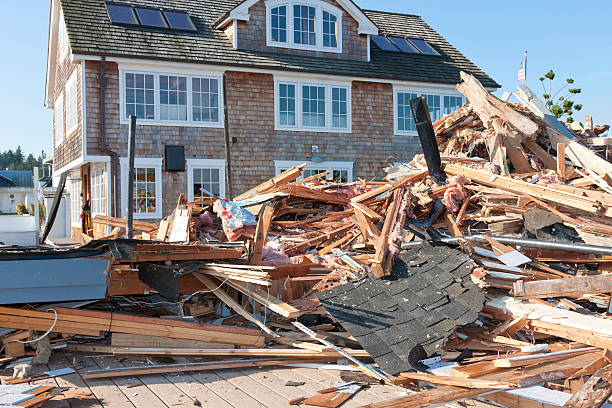
Discovering that a tree, fence, or other fixture from your property has caused damage is a stressful and often overwhelming experience. Whether it’s a fallen limb on a neighbor’s car, a collapsed fence damaging a shared structure, or a toppled tree blocking a public road, knowing the first steps to take can protect you legally, financially, and interpersonally. The immediate aftermath requires a calm, methodical approach focused on safety, documentation, and communication.
Your absolute first priority must be ensuring safety and preventing further harm. If the damage involves downed power lines, gas lines, or structural instability of a building, evacuate the immediate area and contact emergency services by calling 911. Do not attempt to handle electrical wires or enter compromised structures. If the situation is not an emergency but poses an imminent danger—such as a precariously hanging limb—cordon off the area to prevent access by people or pets. This duty to mitigate immediate danger is both a moral and, in many jurisdictions, a legal responsibility. It demonstrates reasonable care, which can be crucial later when determining liability.
Once the scene is secure, thoroughly document the damage with photographs and video. Use your smartphone to capture wide shots that establish the context and close-ups that show specific details. Photograph the point of origin on your property, such as the tree’s stump or where the fence post failed, and all resulting damage to any affected property. If there was a severe weather event like a storm, it can be helpful to document general weather conditions, but focus on the specific damage. This visual evidence is invaluable. It creates an objective record before anything is cleaned up or repaired, which is essential for insurance claims and any potential legal discussions. As you document, make preliminary notes about the date, time, and any relevant observations, such as visible rot in the tree or prior leaning of the fixture.
Prompt and courteous communication with affected parties is the next critical step. If your neighbor’s property is damaged, inform them in person as soon as it is practical and safe to do so. Approach the conversation with empathy, not admission of fault. A simple statement like, “I’ve just discovered my tree fell and damaged your shed. I’m so sorry this happened. I’ve taken photos and will be contacting my insurance company,” is appropriate. Avoid speculating on causes or making promises to pay for repairs outright. This initial contact preserves goodwill and opens a line of communication, which can prevent misunderstandings from escalating into disputes. If public property, like a street or sidewalk, is involved, you should also notify the appropriate municipal authority immediately.
Following this, you must notify your insurance company. Contact your homeowner’s or renter’s insurance provider to report the incident. Provide them with the facts as you know them and submit the documentation you collected. Your insurance agent will guide you on your policy’s coverage, which typically includes liability protection if you are found responsible and may cover removal of the debris from your property. Do not commence permanent repairs or dispose of major damaged items, like the fallen tree, until your insurance adjuster has had a chance to inspect, unless they are blocking access or posing a continuing hazard. Be sure to ask about the claims process timeline and what is expected of you.
Finally, while not an immediate “day-of” action, you must begin to consider the question of liability. Contrary to common belief, you are not automatically financially responsible for damage caused by your tree or fixture. Liability often hinges on whether you were negligent—meaning you knew or should have known the tree or structure was hazardous and failed to address it. A healthy tree felled by an unprecedented storm may be considered an “act of God,“ leaving each property owner to cover their own damages. A tree visibly rotten for years, however, suggests negligence. This determination will be made by insurance companies, and potentially courts, based on the evidence. Your early steps of securing the scene, documenting thoroughly, and communicating professionally all serve to position you fairly within this process, ensuring a resolution that is both equitable and in accordance with the law.