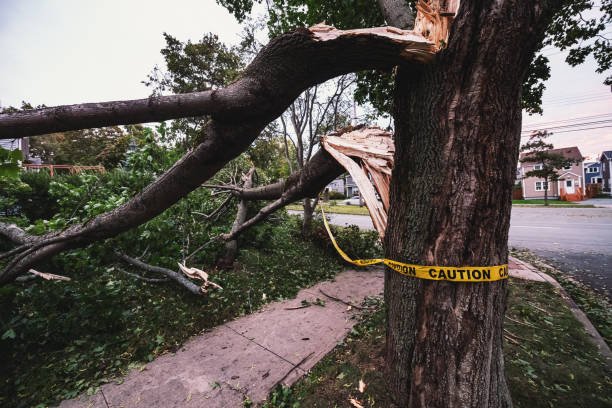
Tree damage is one of the most common sources of property damage liability disputes between neighbors. When a tree or a limb from a tree falls onto a neighboring house, car, fence, or shed, the question of who pays for the damage can get complicated fast. In a typical scenario, the homeowner whose tree fell will argue it was an act of god or a natural event, while the neighbor whose property was crushed will argue neglect. The law on this is clearer than most people think, but only if you strip away the emotional baggage and look at the bare facts of the case.
The key legal principle that determines liability for tree damage is negligence. Negligence means a person failed to act with the level of care that a reasonably prudent person would use in the same situation. In the context of tree damage, that means the tree owner had a duty to maintain their tree in a way that did not pose an unreasonable risk to neighboring property. If the tree owner knew, or should have known, that the tree was dangerous and they did nothing about it, they are legally responsible for the resulting damage. If the tree was healthy and the damage was caused by a sudden storm or a random event that no one could have predicted, the tree owner is not liable. That is not a legal loophole. It is basic fairness.
The critical question in any tree damage liability claim is what the tree owner knew and when they knew it. Evidence of visible decay, dead branches, leaning trunk, cracks, or roots lifting the ground all count as warning signs. If a tree owner ignored these signs, they are negligent. If they hired a certified arborist who inspected the tree and gave it a clean bill of health, that is strong evidence that the owner was not negligent. The neighbor who suffered the damage has the burden of proving that the tree owner failed to exercise reasonable care. That means producing photographs, maintenance records, witness statements, or expert testimony about the tree’s condition before the incident. Speculation and guesswork do not count.
One common misconception is that trees that overhang a property line are automatically the responsibility of the neighbor whose property they hang over. That is wrong. The tree itself belongs to the owner of the land where it is rooted. The trunk is the boundary line for ownership. The overhanging branches and roots are a different issue, but they do not change who owns the tree. If a branch from your neighbor’s tree falls on your garage, your neighbor’s insurance usually has to cover it, provided the tree was not healthy. If the tree was healthy and a storm caused the branch to break, your own property insurance covers the damage, not your neighbor’s. This is the default rule in most states.
There is a special rule for trees that are dead or obviously dying. A dead tree is not an act of god. It is a predictable hazard. If a dead tree falls on a neighbor’s house, the tree owner will almost always be found negligent. Courts do not give tree owners a free pass for letting a dead hazard stand on their property. The same goes for trees with large, visible cavities, fungal growth, or extensive bark loss. If an ordinary person walking by could see the tree was dangerous, the owner cannot claim ignorance.
Insurance companies handle most tree damage claims. Homeowners policies typically cover damage to structures caused by fallen trees, but only if the damage was sudden and accidental. Gradual damage from roots or slow settling does not count. If a neighbor’s tree falls on your roof, you will file a claim on your own policy first. Your insurer will then decide whether to pursue the tree owner’s insurer for reimbursement in a process called subrogation. That is their job, not yours. Your job is to document everything and cooperate with the adjuster. Do not agree to pay anything out of pocket until the insurance investigation is complete.
The most important step you can take is prevention. Inspect the trees on your property every year for signs of disease, decay, or structural weakness. Hire an arborist if you are unsure. Remove dead limbs promptly. If a neighbor asks you to remove a dangerous tree on your side of the fence, do not ignore them. Their demand creates a record that you were warned, and that record can be used against you in court. If you ignore a written request and the tree later falls on their house, a judge will likely find you negligent simply because you had actual notice of the danger and did nothing.
In the rare event that you and your neighbor cannot agree on liability or the insurance companies refuse to pay, a property damage lawsuit is possible. The court will apply the same negligence analysis: did the tree owner know or should they have known that the tree was a risk? The dollar amount of the damage will determine whether small claims court or a higher court is the right venue. Most tree damage claims fall between a few thousand dollars and fifty thousand dollars. Legal fees can eat up a third of that amount, so going to court should be a last resort. Mediation is often faster and cheaper.
The bottom line is that tree damage liability is not a mystery. It comes down to whether the tree owner acted with ordinary care. If you have a tree that looks dangerous, fix it now. If you suffer damage from a neighbor’s tree, collect evidence first, argue later. And do not assume an act of god defense will automatically work. A tree that falls because of a hurricane is an act of god. A tree that falls because it was rotten and the owner ignored it is negligence. The difference is everything.