
A hit-and-run driver smashes through your fence, slams into your inground swimming pool, and speeds away before you can get a license plate. Your pool is damaged, water is gushing out, and you or a family member may be injured from the impact or the sudden flooding. This scenario is more common than most people realize, and the financial fallout can be brutal. The question that matters: who pays for the damage and the medical bills? The answer depends on insurance coverage, state laws, and how quickly you act.
First, understand that the hit-and-run driver is legally responsible. But if you never find them, their insurance is useless to you. In most states, the driver’s auto liability insurance would cover the damage they caused if they were identified. But hit-and-run cases are notoriously difficult to solve. Police may never catch the driver. That means you cannot file a claim against their policy. You are left looking at your own insurance policies and, possibly, the laws that force you to cover the loss yourself.
Your auto insurance policy may have uninsured motorist property damage coverage. This coverage is designed for exactly this kind of situation. If you have it, your own insurance company steps in and pays for the damage to your property—including your pool and fence—caused by an unidentified or uninsured driver. Not all states require this coverage, and many drivers drop it to save money. If you did not purchase uninsured motorist property damage, your car insurance will not help with the pool damage. However, if you were injured in the crash—for example, thrown into the pool or hit by debris—your uninsured motorist bodily injury coverage would pay for your medical bills. Again, you must have that coverage on your policy. Check your declarations page immediately.
What about your homeowners insurance? Most standard homeowners policies cover damage to your property from a vehicle impact. This is typically listed under “vandalism” or “vehicle collision” coverage. Your policy will cover the repair or replacement of your pool, fence, and any other structures damaged by the car. But there is a catch: your deductible applies. If your deductible is $2,500 and the pool repair costs $5,000, you only get $2,500 from the insurer. Also, your homeowners policy usually does not cover injuries you sustain on your own property from a vehicle accident unless you have a specific medical payments endorsement. And if your policy excludes vehicle-related claims outright, you may be stuck.
If you were injured, your health insurance will cover your medical treatment, but you may still face copays, deductibles, and out-of-pocket costs. In a hit-and-run scenario, you cannot go after the driver’s insurance, so you may need to rely on your own health policy or your auto insurance’s medical payments coverage. Some states have “no-fault” auto insurance laws that require your own car insurance to pay for medical bills regardless of fault. But that usually applies to injuries from a motor vehicle accident, not to injuries sustained while you were on your property. The distinction matters: were you in the car or standing near the pool when the crash occurred? If you were in the vehicle, auto insurance applies. If you were swimming or standing outside, homeowners or health insurance applies.
Now consider liability from a different angle: could you be partially at fault? If your pool was not secured, fenced, or marked in a way that a reasonable driver could avoid it, a court might assign some blame to you. For example, if your pool was hidden by overgrown bushes and the driver was forced off the road, your property might be considered a hazard. In a hit-and-run case, the driver is gone, but if you later try to make a claim under your own uninsured motorist coverage, the insurance company may argue that your negligence contributed to the accident. That could reduce your payout. A lawyer can help you fight that.
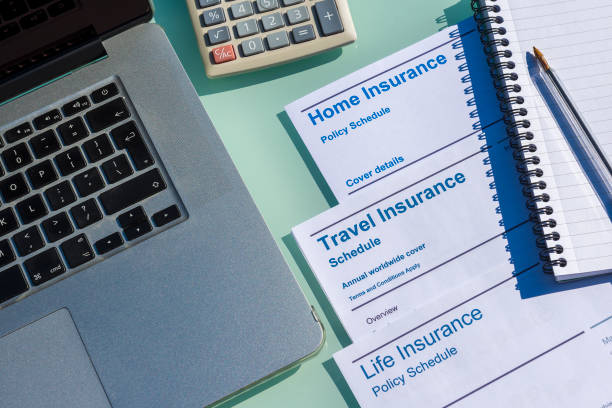
Practical steps matter most. As soon as possible after the crash, call the police to file a hit-and-run report. Get a case number. Take photos of the damage, the tire marks, the position of the vehicle debris, and the condition of the pool. If you have security cameras, save the footage immediately. Notify your auto insurance and your homeowners insurance. Tell them you believe a hit-and-run driver caused the damage. Do not assume one policy covers everything—ask both insurers to explain your coverage. Keep a record of all conversations, claim numbers, and adjuster names.
Ultimately, if you have no uninsured motorist property damage coverage and your homeowners policy excludes vehicle impact, you may have to pay for the pool repairs yourself. In that case, you can sue the unknown driver in small claims court if they are ever identified—but do not hold your breath. The best protection is to review your insurance policies now, before a car ends up in your pool. Add uninsured motorist property damage to your auto policy and confirm your homeowners policy covers vehicle collision. It costs a little extra each month. That cost is nothing compared to a destroyed swimming pool and a stack of medical bills.