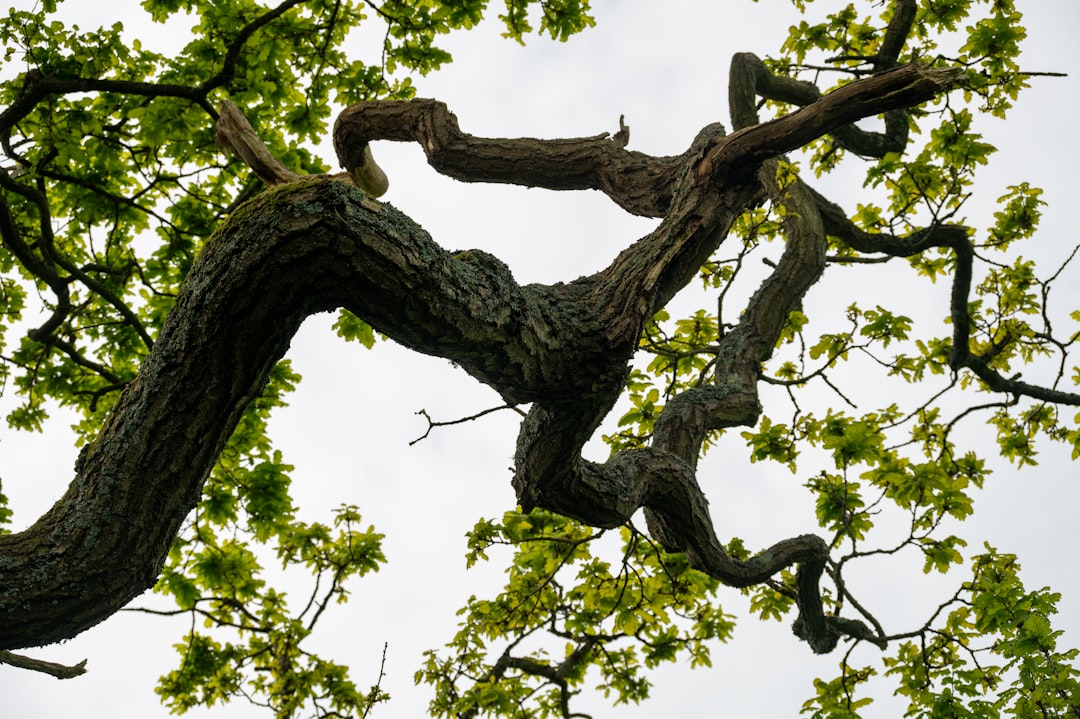
A tree on your property can be a source of shade, beauty, and privacy. It can also be a source of a very expensive headache for your neighbor. When roots from your tree grow under the property line and cause damage to a neighbor’s foundation, driveway, or underground pipes, the question of who pays can turn into a bitter dispute. In legal terms, this is a property damage claim based on negligence. The core idea is simple: you have a duty to maintain your property so it does not unreasonably harm someone else’s property. If you fail in that duty and your tree’s roots cause measurable damage, you can be held financially responsible.
The law does not treat tree root damage the same as a branch that falls during a storm. Roots grow slowly, and the damage they cause is gradual. That makes the legal analysis a bit different. A falling branch is usually an accident—an act of nature. Tree root damage, by contrast, is often seen as a predictable problem that the tree owner should have prevented. Courts in most states use a standard of “reasonable care.” You are not expected to be a tree expert, but you are expected to act like a reasonable property owner. If you knew, or should have known, that your tree’s roots were reaching toward your neighbor’s foundation, and you did nothing, you may be liable for the repairs.
How do you know if you should have known? The signs are usually there. Cracks in the neighbor’s driveway or walkway that line up with the direction of your tree. Roots pushing up through the soil near the foundation line. Unexplained blockages in the neighbor’s sewer line that a plumber traces back to root intrusion. If you ignore those signs, or if your tree has a known history of aggressive root growth, a court may find you negligent. On the flip side, if the damage is truly hidden and no reasonable person could have spotted the problem, you might not be liable. But that defense is harder to prove than most people think.
The actual dollar amounts in these cases can be staggering. Foundation repairs often run into the tens of thousands of dollars. Replacing a collapsed sewer line can cost five to ten thousand dollars. And the neighbor’s lawsuit will also ask for the cost of removing the tree if that is necessary to stop further damage. Your homeowner’s insurance policy may cover some of this, but not all policies do. Many standard policies exclude damage caused by tree roots because they consider it a maintenance issue rather than a sudden event. You need to read your policy carefully or ask your agent directly. If your policy excludes root damage, you are paying out of pocket.
What should you do if your neighbor tells you your tree is causing damage? Do not ignore the complaint. That is the fastest way to get sued. Go look at the damage yourself. Take photos. Ask if they have had a plumber or foundation contractor inspect it. If the damage is real, you have two options: pay for the repairs yourself and remove the offending roots, or fight the claim in court. The smart money is usually on paying for a reasonable fix. A lawsuit will cost more in legal fees than the repair job, and you might lose anyway. If you do decide to fight, you will need expert testimony from an arborist and an engineer to prove the roots were not the cause or that you had no way of knowing about the risk.
On the other hand, if you are the neighbor whose property is being damaged, do not wait. Document everything. Take dated photos of the cracks, the lifted pavement, the sewer backup. Write down conversations with the tree owner. Get written estimates from at least two contractors. Send a certified letter to the tree owner describing the problem and asking them to take action within a reasonable time. If they refuse or drag their feet, you can file a claim in small claims court for smaller amounts or hire a lawyer for larger damages. In most states, you have a limited time to sue—usually two to four years from the date you discovered the damage. Do not let the deadline pass.
The key takeaway is that tree root damage is not a random act of God. It is a predictable consequence of letting a large tree grow too close to a property line. Both tree owners and neighbors need to understand their rights and responsibilities. If you own the tree, keep an eye on its growth. Consider installing a root barrier if you know the roots are aggressive. If you see roots heading toward a neighbor’s house, cut them back before they do harm. If you are the neighbor, speak up early and get professional advice before the damage becomes severe. In property damage cases, the person who acts first and acts reasonably usually wins.