
The claims adjuster is not your friend, your enemy, or your lawyer. They are a professional hired by the insurance company to determine the facts of your claim and assign a dollar value to it. Your job is to make that determination as accurate and favorable to you as possible by handing over clear, organized, and complete evidence. This is not a negotiation where you hold back information to use later. It is a fact-finding process where gaps in your story will be filled by the adjuster’s assumptions, and those assumptions usually favor the insurance company.
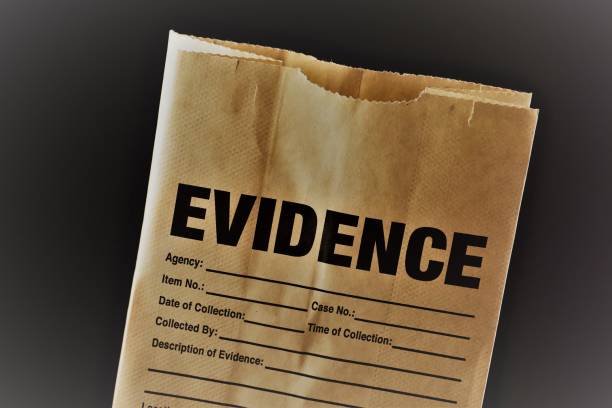
Before you speak to the adjuster, gather everything that shows what happened, when it happened, and what you lost. This means physical evidence, digital evidence, and written records. If the claim is about a car accident, your evidence includes photos of the damage, the police report, witness contact information, and any dashcam footage. If the claim is about a slip and fall on someone else’s property, your evidence includes photos of the hazard, the shoes you were wearing, weather reports for that day, and medical records showing your injuries. If the claim is about damage to your home, your evidence includes before-and-after photos, receipts for any temporary repairs you made, and a detailed inventory of damaged or stolen items. Do not assume the adjuster will take your word for anything. They have heard hundreds of variations of the same story, and they are trained to find inconsistencies. Hard evidence eliminates those inconsistencies.
Organize your evidence in a logical order. Chronological order works best for most claims. Start with the event itself, then show the immediate aftermath, then show the chain of events that followed—medical visits, repair estimates, lost wages. Label each item clearly. If you have a dozen photos, write a short caption for each one that explains what it shows and when it was taken. A photo of a wet floor without context tells the adjuster nothing. A photo labeled “Wet floor at 2:15 PM in aisle 3, taken immediately after the fall” tells the adjuster exactly where the hazard was and when it existed. The same principle applies to documents. If you have a medical bill, attach a note that says “This is the emergency room bill from the night of the accident, dated March 4, 2024.” Do not make the adjuster guess or search through a pile of paperwork to find what they need. Every moment they spend hunting for information is a moment they could be spending on a reason to reduce your payout.
When you present your evidence, do it in writing first. Send a clear, concise summary of the claim along with all supporting documents by email or through the insurance company’s portal. This gives the adjuster time to review everything before they call you. When they do call, keep your answers short and factual. Do not speculate about what caused the accident. Do not apologize or admit fault, even if you think you might have contributed. Say only what you know from direct observation. If you do not know something, say “I don’t know” and leave it at that. The adjuster will try to fill silences with questions designed to lead you into statements that can be used against you later. Resist the urge to be helpful by offering theories or opinions. Your job is to present facts, not to interpret them.
One common mistake is to assume the adjuster has the same information you do. They do not. They have a file from the insurance company that may contain preliminary notes from the initial call, but that file is often incomplete. You must assume they know nothing until you show them. That means do not skip the basics. If you have a receipt for a new roof that was damaged in a storm, include the receipt, the credit card statement showing payment, and a photo of the roof before the storm. Over-documenting is far better than under-documenting. The adjuster can ignore extras, but they cannot create evidence you failed to provide.
Another critical point is the timeline. Insurance policies require that you notify the company and file a claim within a certain period—often days or weeks depending on the type of claim. Once you file, the adjuster will also operate on a timeline. They have deadlines to inspect the property, review documents, and issue a decision. If you delay in providing evidence, you are giving the adjuster grounds to close the claim as incomplete or to deny it outright. Respond to every request for information within 24 hours, even if only to say you are working on it and need a few more days. Silence looks like you have something to hide or that your claim is not serious.
Finally, treat every interaction with the adjuster as a record that could be used in court. Do not make jokes, do not exaggerate, and do not vent your frustration about the insurance company. Keep the tone professional and cooperative. The adjuster’s final report will include their impressions of your credibility. If you come across as angry, dishonest, or confused, that impression will seep into their recommendation. Present your evidence the way you would present it to a judge—calmly, clearly, and with nothing left to question. That is the only way to get the adjuster to see your claim the way you do.