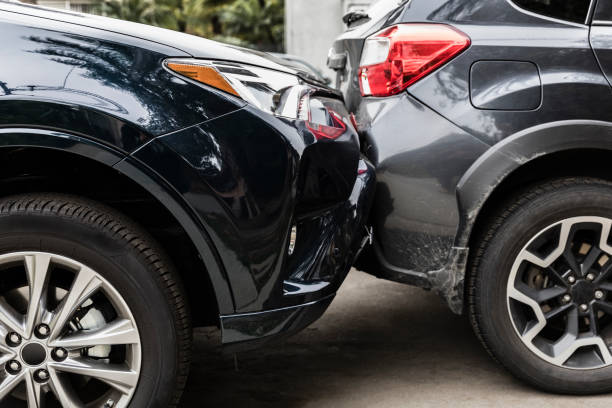
If a driver smashes into your fence, destroys your mailbox, or plows into the side of your house and then drives away, you are dealing with a hit-and-run property claim. The first thing you need to know is that your homeowner’s insurance will likely cover the damage, but only if you can prove that a vehicle caused it and that you made a reasonable attempt to identify the driver. Insurance companies are suspicious of hit-and-run claims because they are easy to fake. A homeowner could back into their own garage, claim a hit-and-run, and collect money. So insurers require hard proof. Without it, your claim gets denied or you face a long, frustrating battle.
The most critical piece of evidence is the vehicle itself—or what it left behind. Paint transfer, tire marks, broken pieces of headlight or tail light, and bumper fragments are gold for your claim. Take photos immediately, before rain or wind sweeps them away. Get close-up shots of the paint color against your property. Measure the height of the impact point on your fence or wall. That measurement tells the insurance adjuster what type of vehicle likely hit you—a sedan, an SUV, or a truck. If the impact is four feet off the ground, a low sports car did not cause it. This kind of detail makes your story credible.
Next, secure video footage. Walk your neighborhood and ask every house within sight of the impact point if they have security cameras. Doorbell cameras, dashcams from parked cars, and traffic cameras operated by your city or homeowners’ association often capture the crash. You need the date and time to search intelligently. If the accident happened at night, look for headlights swerving or a sudden stop. Even a blurry video of a car leaving the scene is better than nothing. Save the clip on your own device; do not rely on the neighbor’s cloud storage, which might automatically delete after 30 days.
Call the police immediately—do not wait. Tell the dispatcher a vehicle struck your property and fled. Ask for a police report number. When the officer arrives, provide your photos and any video. The police report becomes an official third-party document that confirms the date, time, and location of the hit-and-run. Insurance adjusters treat police reports as strong evidence. If the officer can locate paint chips or tire marks and note them in the report, even better. Do not let the officer leave without at least writing “hit-and-run property damage” on the report.
Now, you need to notify your homeowner’s insurance company. Tell them exactly what happened and that you already filed a police report. Do not exaggerate or guess about the amount of damage. Give them the facts. They will ask for the photos, video, and police report number. Some insurers will also ask you to sign a sworn statement describing the event. Be truthful. If you saw the car but cannot describe the license plate, say that. If you only heard the crash, say that. Lying or embellishing voids your policy and can get you charged with insurance fraud.
You also need to understand the coverage that applies. Most homeowner’s policies include a provision for “accidental direct physical loss” to your property. A hit-and-run vehicle is a form of accidental loss. However, if the damage is to a vehicle sitting in your driveway—say your own car—then your auto insurance’s uninsured motorist property damage coverage handles that, not your homeowner’s policy. For fences, siding, gates, mailboxes, and landscaping, homeowner’s coverage applies. Read your policy’s “limits” section to see if there is a specific sub-limit for fences or decorative structures.
If the damage is minor—under your deductible—you may choose not to file a claim. Homeowner’s deductibles are often $1,000 or higher. Filing a small claim can cause your premium to rise or get your policy non-renewed. Do the math. Get a repair estimate from a contractor first. If the repair costs $900 and your deductible is $1,000, you get nothing. Pay out of pocket. But if the damage is major—a vehicle smashed through your living room wall—then file without hesitation.
Finally, preserve the scene. Do not clean up debris, paint, or broken parts until an insurance adjuster or a police officer has seen them. If you need to make temporary repairs to secure your home—covering a hole in the wall or boarding up a broken window—keep receipts and take before-and-after photos. Those receipts become part of your claim. Do not throw away the broken pieces. Store them in a garage or plastic bin. The adjuster may want to examine headlight fragments to confirm they match a vehicle, not a weed whacker or a kid’s bicycle.
In summary, a hit-and-run property claim succeeds based on evidence, speed, and documentation. No evidence means no payout. Get photos, video, a police report, and preserve everything. Then call your insurer with the facts. Do not fabricate details. Follow these steps and you have a strong chance of getting your property repaired without paying the full bill out of pocket.