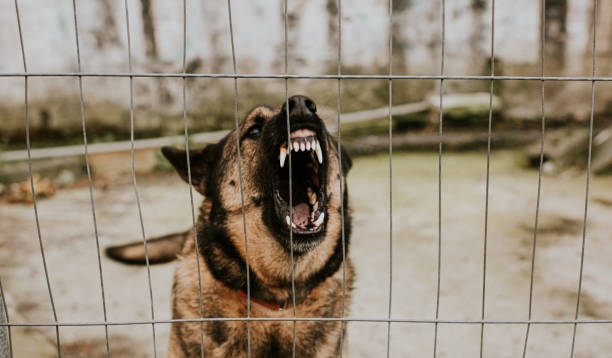
The statement, “My dog has never bitten anyone before,“ is a common refrain heard in parks, on sidewalks, and in the aftermath of a dog bite incident. For the shocked owner, it is a genuine expression of disbelief, a defense rooted in their personal experience of their pet as gentle and predictable. For the bite victim and for legal and ethical considerations, however, this statement is largely irrelevant. It serves not as an absolution but as the starting point for a more complex conversation about responsibility, animal behavior, and the often-unseen triggers that can lead to a first bite.
Fundamentally, a dog having no history of aggression does not immunize it from the biological and instinctual realities of being an animal. All dogs, regardless of breed or temperament, possess the physical capacity to bite. They communicate through body language, and biting is a natural, if extreme, part of that spectrum—a last-resort signal of fear, pain, surprise, or perceived threat. An owner’s perception of their dog’s perfect history may simply mean the dog has never been pushed beyond its threshold in their presence. A novel situation—a child suddenly hugging the dog, an unexpected approach from behind, the presence of a new animal, or the experience of acute pain from an unseen injury—can create a perfect storm where the dog reacts instinctively. The “first bite” is often a surprise to everyone, including the dog itself, but it is a possibility inherent to canine nature.
From a legal perspective, in many jurisdictions, the owner’s plea of ignorance holds little weight. The concept of strict liability for dog bites is increasingly common, meaning an owner is responsible for injuries caused by their dog regardless of the animal’s past behavior or the owner’s knowledge of its viciousness. Even in places that operate under a “one-bite rule,“ which historically required proof the owner knew of the dog’s dangerous propensity, modern interpretations are stringent. Evidence that the dog previously growled, snapped, or showed aggressive posturing can be enough to establish liability. Furthermore, the first bite itself immediately establishes this knowledge, making the owner fully liable for any subsequent incidents. The statement “he’s never done this before” thus becomes a admission that establishes the baseline for future legal responsibility.
The ethical obligation of dog ownership transcends the legal minimums. Claiming a clean history after a bite incident can feel dismissive to the victim, minimizing their trauma and physical injury. Responsible ownership involves proactive risk management: recognizing that any dog can bite, understanding canine stress signals, providing proper training and socialization, and managing the dog’s environment. This includes using leashes, providing clear warnings to strangers, and not placing dogs in situations where they feel overwhelmed. The aftermath of a first bite is a critical moment for reckoning. An ethical owner moves quickly from defense to accountability—securing the dog, assisting the victim, and seeking professional help from a veterinarian or certified behaviorist to understand and address the cause. The focus shifts from the irrelevant past to preventing a future recurrence.
Ultimately, the declaration “my dog has never bitten anyone before” is less a factual shield and more a testament to a potentially dangerous complacency. It reflects a belief that past behavior perfectly predicts future actions, a logic that fails with animals driven by instinct and emotion. A bite is always a learning moment, a breach in understanding between the dog and its world. For the owner, it must catalyze a deeper commitment to stewardship, recognizing that their role is to protect both their beloved pet and the community from harm. The goal is not to live in fear of one’s animal, but to cultivate a respectful awareness that safety is an active, ongoing practice, not a guarantee earned by an unblemished record. The first bite shatters the illusion of absolute control, demanding a more nuanced and responsible path forward.