
When something happens that could lead to a legal liability claim, your first instinct might be to pause. Maybe you’re unsure if the incident is serious enough. Maybe you want to gather more information first. Maybe you just need a day to think it over. That pause can cost you everything. Insurance policies are contracts with strict rules, and one of the most important rules is that you must notify your insurer immediately after an incident that might give rise to a claim. Waiting even a short time creates risks that most people never consider until it’s too late.
The most obvious risk is a straight denial of coverage. Almost every standard liability insurance policy contains a condition that requires you to give prompt notice of an occurrence or claim. That language is not a suggestion. It is a binding obligation. If you wait too long and the insurer decides your delay was unreasonable, they can refuse to defend you in a lawsuit and refuse to pay any settlement or judgment. The courts in many states uphold these denials, especially if the delay harmed the insurer’s ability to investigate the claim. You lose coverage entirely, and you become personally responsible for every dollar of legal fees and damages.
But outright denial is not the only danger. Even if the insurer ultimately accepts your claim, a delayed notification can weaken your position in subtle but serious ways. The insurance company needs to investigate the incident while evidence is fresh. Witnesses have clear memories. Physical evidence has not been moved, altered, or lost. Documents are available and uncorrupted. If you wait days or weeks to notify, those advantages vanish. Witnesses forget details or move away. Surveillance footage gets overwritten. Physical evidence gets cleaned up or thrown out. The insurer may argue that because of your delay, they cannot properly assess the claim, and therefore they will not pay the full amount or will dispute liability. You end up with a less favorable outcome than you would have had with a prompt report.
Another hidden risk is the impact on your rights in a lawsuit. Many policies require you to cooperate fully with the insurer in defending any claim. Cooperation includes giving them timely notice so they can assign a lawyer, gather evidence, and respond to the plaintiff’s allegations. If you fail to notify them promptly, you may be seen as breaching the cooperation clause. That breach, separate from the notice condition, is another ground for denying your defense. In the worst case, the plaintiff obtains a default judgment against you because no lawyer appeared in court, and you are left holding a judgment that the insurer refuses to pay.
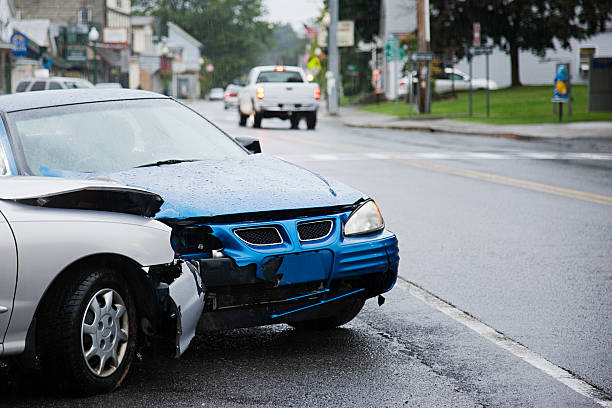
There is also a practical risk that your delay makes a bad situation worse. Suppose you are involved in an accident where someone is injured. You think the injury is minor, so you don’t call your insurer. A week later, the injured person’s condition deteriorates, and they hire a lawyer. You call your insurer then, but the lawyer claims that crucial evidence from the accident scene has been lost. The insurer asks why you didn’t report it right away. Even if they cover the claim, they may impose a higher deductible or surcharge on your next premium, or they may decide not to renew your policy. The long-term cost of a single late notification can be thousands of dollars in increased premiums.
The no-nonsense truth is that you have no good reason to wait. The decision to notify your insurer should be automatic. If an event occurs that could possibly lead to a claim – an injury, property damage, an accident, a complaint, even a verbal threat – pick up the phone or send an email immediately. Do not wait for more information. Do not try to handle it yourself first. Do not assume it will go away. Let the insurance company decide whether a claim is likely. That is their job. Your job is to notify them.
One common excuse is that you do not know if you are at fault. That does not matter. Liability insurance covers you even for claims where you are not at fault. The insurer needs to know about the incident so they can protect your interests. If you later turn out to be blameless, the notification still helps them document that you did everything right. If you are at fault, early notification allows them to get ahead of the claim, negotiate early, and minimize your exposure.
Another excuse is that you want to avoid rate increases. That is short-sighted. If a claim is headed your way, delaying notification does not stop the rate increase; it just increases your chance of being uninsured for that claim. A single uninsured claim can bankrupt you. A rate increase is a minor annoyance compared to personal liability for a six-figure verdict.
In summary, waiting to report a potential liability claim to your insurer is one of the most dangerous mistakes you can make. It invites denial of coverage, loss of evidence, breach of contract, default judgments, and long-term financial harm. The only safe course is to notify your insurer right away, as soon as you are aware of an incident that might lead to a claim. Do not hesitate. Do not assume. Do not delay. The risk of waiting is never worth it.