
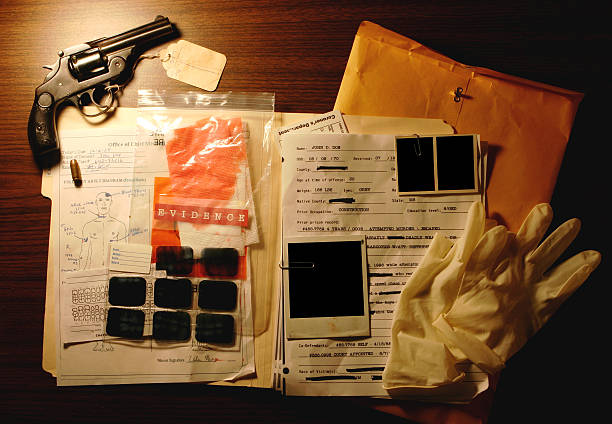
In the disorienting moments following an accident or property incident, the instinct to document the scene with a smartphone camera may feel secondary to addressing immediate safety or emotional concerns. However, this act of immediate photography is not merely a modern habit; it is a critical, time-sensitive step that can fundamentally shape the outcome of a liability claim. Photographs taken in the immediate aftermath serve as an unbiased, immutable witness, preserving a version of events that words alone can never fully capture, thereby protecting the claimant’s rights and establishing the factual bedrock upon which successful claims are built.
The paramount importance of immediate photographs lies in their ability to freeze a transient moment in its most authentic state. The scene of an incident is inherently unstable. Weather conditions change, washing away tire marks or melting ice. Vehicles are moved to clear traffic, obliterating crucial evidence of their final resting positions. Spills are cleaned, broken items are repaired, and the general chaos of an event is inevitably tidied away. A photograph taken minutes after a slip-and-fall, for instance, can permanently preserve the exact condition of a wet floor—the size of the puddle, the absence of warning signs, the lighting—details that may be contested or forgotten weeks later during insurance negotiations. This visual testimony provides an objective record that is resistant to the fading of human memory or the conflicting narratives that other parties may later present.
Furthermore, immediate photographs provide context and scale that are difficult to convey through written statements or even professional inspections conducted days after the fact. A wide-angle shot of a car accident intersection can show traffic signals, road conditions, and sightlines. Close-up images of vehicle damage can reveal the precise point of impact, the direction of force, and the extent of deformation, which are vital for reconstructing the event. In a premises liability case, a series of photos can demonstrate a hazardous condition’s relationship to its surroundings—such as a cracked sidewalk slab lifted by a tree root, proving it was a longstanding issue rather than a fresh break. This visual context helps claims adjusters, attorneys, and potentially juries to understand the story of the incident intuitively, creating a persuasive narrative that supports the claim of liability.
The credibility and perceived objectivity of evidence are also profoundly enhanced by timeliness. Photographs stamped with metadata showing they were taken shortly after an incident carry significant weight. They demonstrate proactive diligence and reduce opportunities for opposing parties to allege that the scene was staged or altered after the fact. This immediacy counters arguments that intervening factors caused the damage or injury. For example, in a property damage claim, an insurer might suggest that water damage worsened due to a homeowner’s failure to mitigate, rather than the initial roof leak. Photos taken the same day as a storm can irrefutably show the extent of the initial intrusion, strengthening the link between the incident and the resulting harm.
Ultimately, in the adversarial arena of liability claims, where financial responsibility is contested, photographic evidence serves as the most powerful form of preventative medicine against disputes. It minimizes reliance on “he said, she said” accounts and provides tangible proof that can expedite the claims process. When presented early, compelling visual evidence often encourages swifter and more favorable settlements, as it leaves little room for an insurer to reasonably deny liability. In essence, the few minutes spent comprehensively photographing a scene is an investment in justice and recovery. It transforms a subjective experience into an objective fact, ensuring that the critical details that tell the true story of liability are preserved long after the scene itself has vanished.