
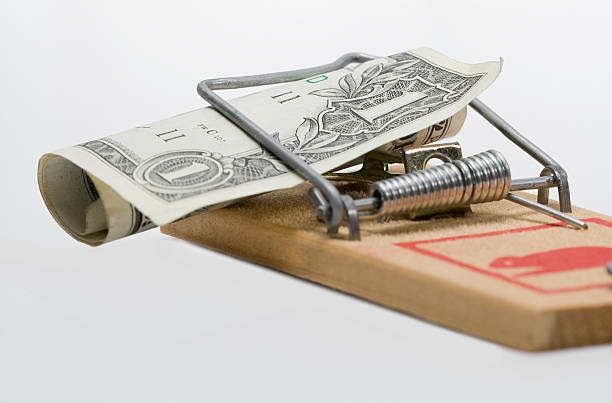
When you receive a settlement offer after an accident or injury, your first instinct is often relief. The phone call or letter arrives, and you see a number. It looks like a lot of money. You want this nightmare over. You want to pay your bills and move on. That is exactly what the insurance company is counting on. The quick offer is almost never the fair offer. It is a trap designed to close your case before you understand what you are actually owed.
Insurance adjusters work for the company that pays claims. Their job is not to help you. Their job is to pay you as little as possible and do it as fast as possible. They know that injured people are stressed, behind on rent, and tired of dealing with lawyers and paperwork. So they float a number that sounds reasonable. Maybe it covers your medical bills so far. Maybe it includes a little extra for pain. But it almost never accounts for what will happen next month, next year, or into the future.
The biggest mistake people make is accepting an offer before they know the full extent of their injuries. Soft tissue damage, whiplash, and even some fractures take weeks or months to fully diagnose. A back injury that feels manageable today can turn into chronic pain that ruins your ability to work. A concussion that seems mild can lead to headaches, memory problems, and depression that last for years. Once you sign that release, you are done. You cannot go back and ask for more money when the real problems surface.
Another trap is ignoring lost wages and future earning capacity. The quick offer usually only covers the time you already missed from work. But what if your injury forces you to switch to a lower-paying job? What if you cannot return to the physically demanding work you did before? The insurance company will not volunteer money for that. They hope you do not think about it. You must calculate not just the days you missed, but the career impact. That number is almost always larger than the first offer.
Medical costs are another blind spot. The initial offer might pay for your emergency room visit and a few follow-ups. But what about physical therapy that stretches over six months? What about surgery that might be needed in two years? What about medication you will take for the rest of your life? The insurance adjuster will tell you that you can go to your own health insurance for that. Do not fall for it. Your health insurance will try to recover those costs later from your settlement anyway. You end up paying twice or losing your recovery.
Then there is the intangible damage. Pain and suffering, emotional distress, loss of enjoyment of life. These are real and they have value. The quick offer gives a fixed, low amount for these, usually a multiple of your medical bills. But that formula is arbitrary. Your suffering is not a formula. If you cannot play with your kids, sleep through the night, or enjoy a weekend without pain, that is worth real money. The quick offer does not compensate you fairly for it.
You should also be wary of the timing of the offer. If it arrives within days of the accident, that is a red flag. They have not reviewed all your records. They are guessing and betting you will take the bait. If the offer comes right before a major expense is due, like a mortgage payment or a medical bill deadline, they are exploiting your vulnerability. A fair offer does not rely on pressure and timing. A fair offer is made after both sides have all the facts.
Before you accept any offer, you need to know three things: your total medical costs to date, your projected future costs, and the impact on your work and life. You also need to know what similar cases in your jurisdiction have settled for. This is where a lawyer becomes essential. Many people think they cannot afford a lawyer for a small claim. But most personal injury lawyers work on contingency, meaning they get paid only if you win. Their cut is often worth it because they can increase your settlement far beyond the first offer.
If you decide to negotiate yourself, do not accept the first offer under any circumstances. Counter with a number that is at least double what they offered, and be ready to justify it with documentation. Keep every medical record, every receipt, every doctor’s note. Show them what your future looks like. If they refuse to budge, ask for a detailed breakdown of how they calculated their offer. Most adjusters will not give you a straight answer. That tells you the offer is arbitrary.
Remember that signing the release is final. You give up your right to sue forever. You give up the right to recover from any other party. You give up the right to future medical coverage related to the accident. That is a permanent decision based on incomplete information. Do not let impatience or financial pressure make that decision for you. A fair settlement is one that covers your past, present, and future. The quick offer covers your immediate stress and nothing else.
Take your time. The insurance company will remind you that the offer expires in thirty days. That is a bluff. They want you to panic. In reality, most cases do not settle for months. If you need the money to survive, consider a small loan from family or a credit card instead of settling for pennies on the dollar. The short term pain of waiting is almost always worth the long term gain of a fair payout.
The trap of the quick settlement is that it looks like a solution but is actually a loss. You cannot put a price on your health, your peace of mind, and your future. But the law recognizes that these things have financial value. Make sure you collect every dollar you are entitled to, not just the first dollar they offer.