If you trip and fall on a public sidewalk, get hurt, and need medical treatment, your first thought might be to sue someone. But who exactly is responsible when the sidewalk is owned by the city, maintained by the adjacent property owner, or simply cracked from age and weather? The answer depends heavily on where you are, what caused the hazard, and whether the responsible party knew about it or should have known. This is not simple, but you need to know the basics before you waste time chasing the wrong defendant.
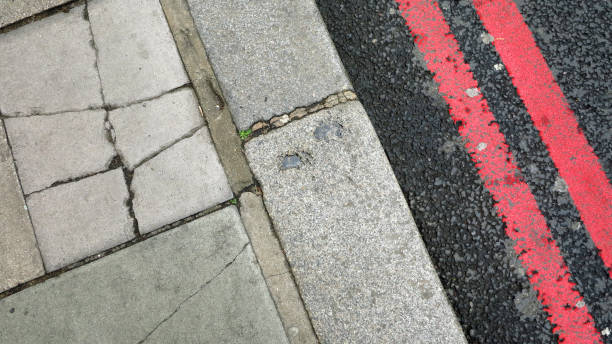
First, understand that a public sidewalk is usually owned by the local government. That means the city or county has a general duty to keep it safe for pedestrians. In many states, however, the government has immunity from lawsuits unless it had actual written notice of a specific defect and a reasonable time to fix it. Some places require you to file a formal claim within a very short window, sometimes as little as sixty or ninety days. Miss that deadline, and you lose your right to sue entirely. That is harsh but true. So if you trip on a broken sidewalk slab that the city knew about because someone reported it three months ago, you may have a case. If the crack formed last week and nobody told the city, the government may argue they had no chance to fix it. You would then have to prove they should have known through regular inspections, and that is a much harder fight.
Now, what about the person or business whose property runs alongside the sidewalk? In many cities, the law says the property owner is responsible for repairing and maintaining the sidewalk directly in front of their building. But that does not automatically make them liable when someone falls. The owner’s duty is typically limited to hazards they caused or that they knew about and failed to fix. For example, if the owner’s tree roots pushed up the sidewalk, creating a raised edge, that is a defect the owner created. The owner also has a duty to fix dangerous conditions within a reasonable time after learning of them. If the owner never caused the damage and never knew about it, they may not be held responsible. In some jurisdictions, however, the owner is strictly liable for all sidewalk defects regardless of fault. That is less common. You must check your local rules.
A critical point is the difference between a sidewalk defect that is obvious and one that is hidden. If you tripped over a section of sidewalk that was raised four inches, that is obvious. A court may say you should have seen it and avoided it, especially if you were looking at your phone or not paying attention. That brings in the idea of comparative fault. Even if the city or property owner was negligent, your own carelessness can reduce the amount you recover. If you were fifty percent at fault, you get only half of your damages. If you were more than fifty percent at fault in some states, you get nothing. That is why the way you fell matters. Did you trip because you were running? Were you wearing shoes with poor traction? Were you walking in an area marked as closed for repairs? All of that gets examined.
What exactly can you claim in a trip-and-fall case? You can recover medical bills for emergency room visits, surgeries, physical therapy, and any future care you need. You can claim lost wages if you missed work. You can also claim what is called pain and suffering, though that is harder to put a dollar figure on. Broken bones, sprains, head injuries, and permanent scarring can justify significant pain and suffering awards. But you need strong evidence: photographs of the hazard taken soon after the fall, witness statements, medical records, and proof that you reported the fall promptly. Keep copies of everything.
One common mistake is assuming the city will pay just because the sidewalk is public. Many governments fight these claims aggressively, arguing that the hazard was minor, that you should have seen it, or that the statute of limitations has expired. You also need to understand that if a private property owner is responsible, they will likely have insurance that covers premises liability. Their insurance company will send adjusters to investigate. They may try to get you to give a recorded statement or sign a release. Do not do that without talking to a lawyer first.
Finally, remember that each case is unique. A crack that is one inch deep might be considered trivial in one court and dangerous in another. The age of the defect, weather conditions at the time of the fall, and the exact location all matter. You cannot rely on general rules alone. If you are injured, the smartest move is to get a written evaluation from a local personal injury attorney who knows the specific laws and ordinances in your area. That initial consultation is often free. Use it to learn your real options before you assume the case is hopeless or that you will win easily.